The healing effects of peat, mud, silt, clay and chalk have been known for centuries. Mud baths were mentioned as a remedy as early as the 14th century. Today, mud packs, peat baths and clay wraps with their relaxing and anti-inflammatory properties are an important part of natural health treatments in spas and health resorts and are indispensable in modern therapy.
Indications: What can soil help with?
Heart, vascular and circulatory diseases
Diseases of the musculoskeletal system
Diseases of the respiratory tract
Diseases of the digestive system
Metabolic disorders
Kidney diseases
Skin diseases
Psychosomatic states of exhaustion
Psychosomatic states of exhaustion
General weakness, convalescence
Forms of application
Moor bath: A tried and tested treatment in which a bathing day alternates with a bath-free day. At the beginning, the bath temperature is usually 39 degrees Celsius and is adjusted as required. Natural mud baths are intensive treatments in which the shower is followed by a resting phase in the relaxation room - an essential part of any bath therapy.
Peat pack: Is used when a full mud bath is contraindicated or can still be too stressful. The thick natural moor mud with a temperature of up to 45 degrees Celsius is offered locally, as a large pack from the torso to the buttocks, or as a partial body pack for the torso, stomach, back, joints or for moor kneading for hands and feet. Depending on the indication, it is applied warm or cold. Cold natural mud packs, with their deep thermal effects, can provide effective and gentle support for inflammatory processes.
Drinking cure: One advantage of moor is that it tastes and smells pleasantly neutral when taken as a drinking moor. This has been tested and approved as a dietary supplement and is mixed with water or juice. It contains valuable ingredients that regulate the acid-base balance and contribute to the regeneration of the intestinal flora.
Fango pack: Is heated and then applied as a pack around three centimetres thick. To improve the effect, the patient is wrapped in special cloths and woollen blankets. The fango pack is left on for approx. 30 minutes and also warms deeper lying tissue.
Types of earth
Peat
Spas use mud baths with peat as a remedy. The peat is used in the form of packs or full baths in tubs.
Clay
has a therapeutic effect due to its fine clay particles. The clay particles can bind large quantities of water, acids and other substances. The clay paste is applied to the area to be treated in a layer about two centimeters thick. While the clay dries, the body can detoxify.
Fango
is formed from deposits of weathered rock and consists of sand, silt and clay. For therapeutic use, the volcanic rock is finely ground and processed into fango mud or parafango. To produce parafango, the pulverized rock is enriched with liquid kerosene. Once the mass has hardened, it is sawn into blocks. In the practices, these are melted in an oven at a medium temperature and slowly cooled. When the core of the mass is about 50 degrees Celsius warm, you can lie on your back in the mud, for example.
Predicates
Awards serve as a seal of quality in health tourism. The respective federal state is responsible for the certification of spas and health resorts. In order to receive a rating, certain standards must be met in the area of medical facilities and tourist infrastructure. The state's health resort law defines these requirements.
Moor spa
This title is awarded to spas that use peat-based mud baths as a remedy. Peat can be used in the form of packs and full baths in tubs.
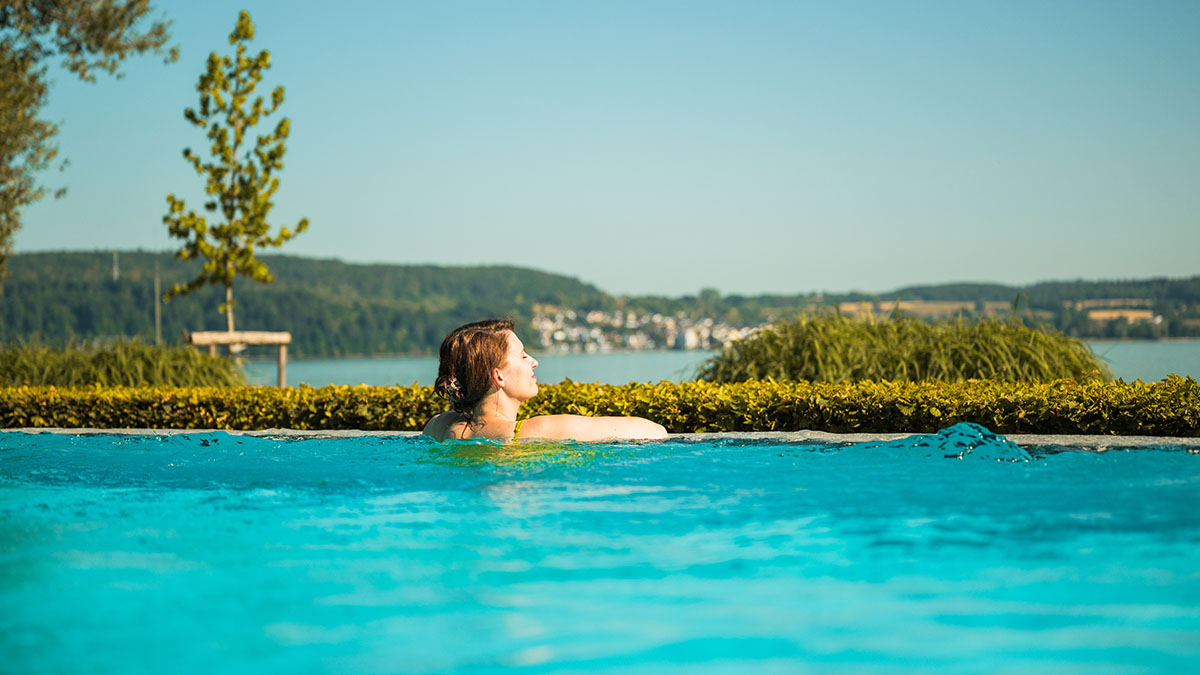
Sommer. Die Temperaturen steigen, der Alltag fühlt sich oft anstrengend an – und man hat nur einen Gedanken: Jetzt wäre eine Abkühlung genau das Richtige. Idealerweise so, dass sie nicht nur kurzzeitig erfrischt, sondern auch über den Moment hinaus das Wohlbefinden steigert. Wasser kühlt und belebt. Es kann den Kreislauf anregen, neue Kraft schenken – …
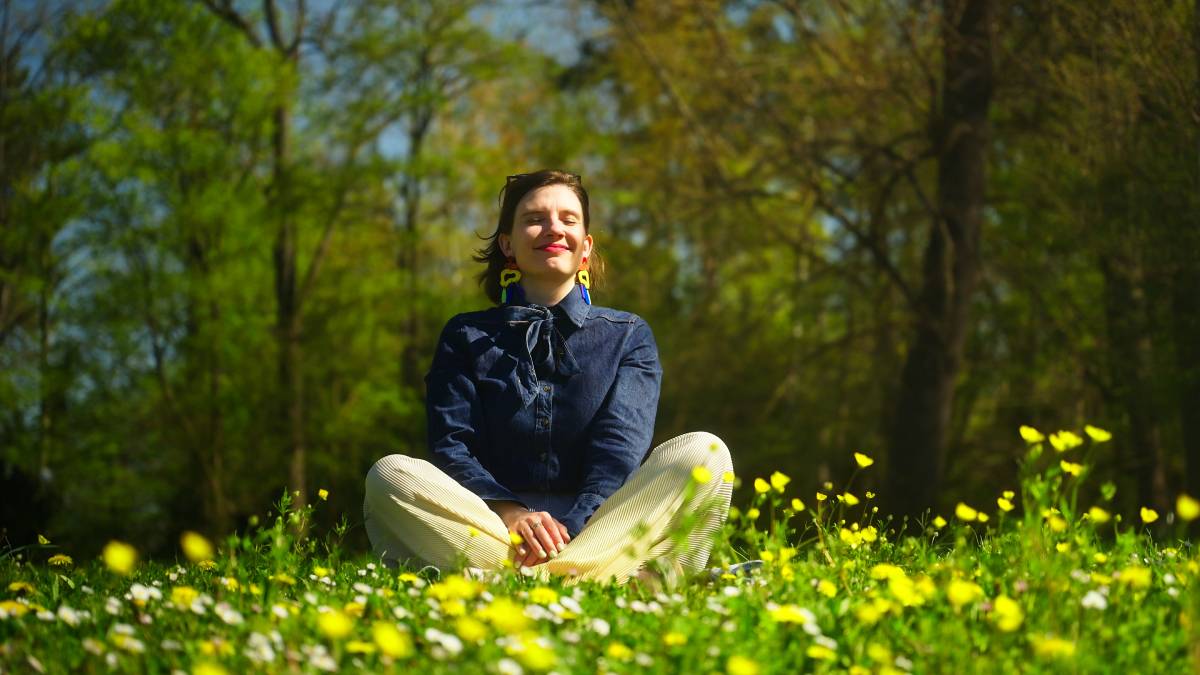
Der Frühling ist die Zeit des Durchatmens. Die Tage werden länger, die Luft milder – und wir sehnen uns danach, durchzuatmen. Durchatmen im ganz wörtlichen Sinn, aber auch im übertragenen: loslassen, entspannen, sich wieder freier fühlen. In Baden-Württemberg gibt es Orte, an denen genau das möglich ist. Orte, an denen die Kraft der Natur spürbar …
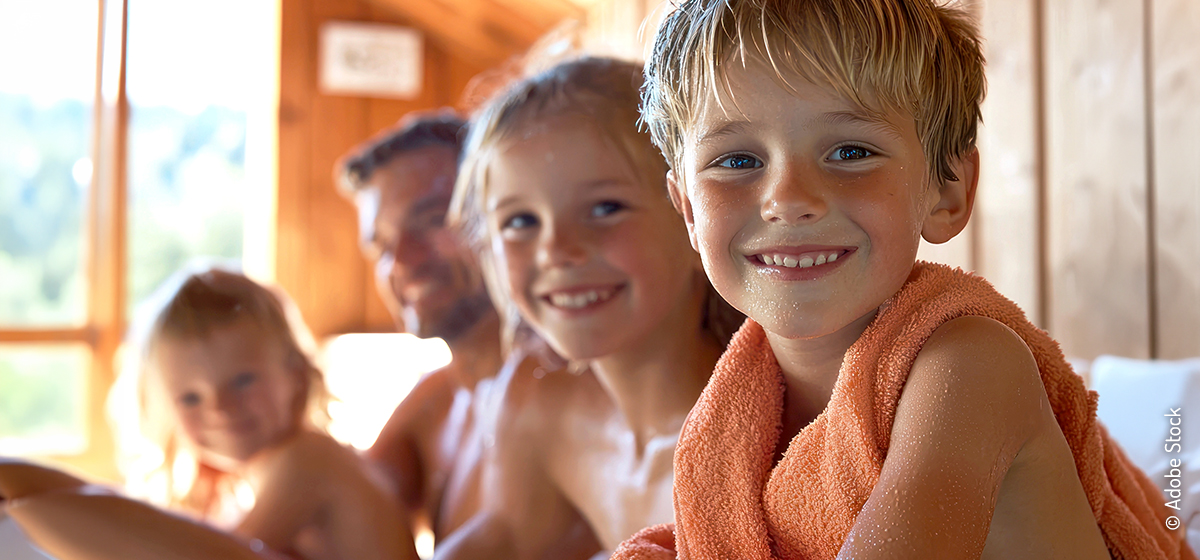
People often associate thermal spas with peace and relaxation. However, they have now become a place where many families can enjoy some time together. While the youngest children have their first experiences in the water, older children explore the slides and play areas or take part in swimming lessons. Many thermal spas in Baden-Württemberg have tailored their offerings to accommodate these different interests […]
Want to find out more? Would you like to receive suitable offers directly and conveniently in your mailbox? Then register now - free of charge and without obligation.


 EN
EN  DE
DE  FR
FR