Die Bodensee-Region – Gesundheitslandschaft am Wasser

Der Bodensee prägt seit Jahrhunderten eine Region, in der Wasser nicht lediglich ein landschaftliches Element ist. Als natürliche Ressource bildet es die Grundlage einer gewachsenen Kur- und Badetradition, die sich entlang des Seeufers entwickelt hat. In anerkannten Heilbädern und Kurorten wird Wasser gezielt genutzt – zur Entspannung, zur Förderung der Bewegung und als Bestandteil ganzheitlicher Gesundheitsangebote. Die Bodensee-Region steht damit exemplarisch für eine Form der Erholung, die aus natürlichen Gegebenheiten heraus entstanden ist und bis heute behutsam weitergetragen wird.

Wasser – verbindendes Element der Kur- und Badekultur

In der Bodensee-Region zieht sich Wasser wie ein roter Faden durch die Gesundheitsangebote. Ob als Kneipp-Anwendung, als Thermal- oder Mineralwasser – seine unterschiedlichen Erscheinungsformen ermöglichen vielfältige Anwendungen. Aktivierende Reize stehen ebenso im Fokus wie entspannende Badeformen und bewusste Ruhephasen. Charakteristisch ist der niedrigschwellige Zugang: Viele Angebote sind so gestaltet, dass sie regelmäßig genutzt werden können und sich selbstverständlich in den Alltag einfügen. Diese enge Verbindung von natürlicher Ressource, Ort und Lebensrhythmus prägt den besonderen Charakter der Region.

Überlingen – Kneipp-Heilbad mit Thermaltradition

Überlingen liegt am nördlichen Bodenseeufer und ist als Kneipp-Heilbad sowie Kneipp-Kurort anerkannt. Die lange Kurgeschichte der Stadt spiegelt sich bis heute in ihrem Gesundheitsangebot wider. Kneipp-Tretstellen und Armbadebecken sind fest in den öffentlichen Raum eingebunden und laden zur regelmäßigen Anwendung ein. Wege entlang der Promenade und durch die Parkanlagen fördern Bewegung in ruhigem Tempo und schaffen Raum für bewusste Erholung.

Ein zentraler Bestandteil des Angebots ist die Bodensee-Therme Überlingen. Direkt am See gelegen, nutzt sie natürliches Thermalwasser für Bade- und Entspannungsangebote. Innen- und Außenbecken, eine großzügige Saunalandschaft und Ruhebereiche ermöglichen Erholung mit Blick auf das Wasser. Die Lage direkt am Bodensee lässt das Element Wasser in all seinen Facetten unmittelbar erlebbar werden und verbindet klassische Badekultur mit zeitgemäßen Formen der Entspannung.

Radolfzell am Bodensee – Kneipp-Kurort mit alltagsnahen Angeboten

Radolfzell am Bodensee ist als Kneipp-Kurort anerkannt und zeichnet sich durch eine konsequent alltagsnahe Umsetzung gesundheitsfördernder Angebote aus. Kneipp-Anwendungen sind im Stadtgebiet gut zugänglich und fester Bestandteil des öffentlichen Lebens. Tretbecken, Bewegungsangebote und begleitete Programme ermöglichen eine regelmäßige Nutzung der natürlichen Ressource Wasser.

Ein besonderer Schwerpunkt liegt auf der Verbindung von Bewegung und Wasser. Spaziergänge entlang des Ufers oder auf der Halbinsel Mettnau lassen sich gut mit Kneipp-Anwendungen kombinieren. Radolfzell steht damit für eine ruhige, strukturierte Gesundheitskultur, die weniger auf einzelne Anwendungen als auf Kontinuität und Ausgleich setzt.

Von der Seeregion zur Mineralbadstadt – Wochenendausflug nach Stuttgart

Die wohltuende Wirkung von Wasser ist nicht auf die Bodensee-Region beschränkt. Für einen Wochenendausflug bietet sich Stuttgart als naheliegende Ergänzung an. Die Landeshauptstadt verfügt über zahlreiche Mineral- und Heilquellen und zählt zu den mineralwasserreichsten Städten Europas. Natürliche Mineral- und Solequellen prägen hier seit Jahrhunderten die Badekultur und bilden bis heute die Grundlage moderner Badeangebote.

Im Stadtteil Bad Cannstatt nutzt das SoleBad Cannstatt stark mineralisiertes Solewasser für Bade- und Entspannungsanwendungen. Die Wärme und der Salzgehalt des Wassers werden von vielen Gästen als entlastend für Gelenke und Muskulatur empfunden.

Das Mineralbad Berg verbindet historische Badetradition mit offenen Becken und ruhigen Aufenthaltsbereichen. Hier steht das Baden im mineralhaltigen Wasser im Mittelpunkt – eingebettet in das städtische Umfeld.

Das Leuze ist eines der großen Mineralbäder Stuttgarts. Unterschiedliche Wassertemperaturen, weitläufige Beckenlandschaften und Saunabereiche eröffnen vielfältige Möglichkeiten zur Regeneration.

Heilbad Hoheneck – Mineralwasser in ruhiger Lage

Nur wenige Kilometer nördlich von Stuttgart liegt Ludwigsburg-Hoheneck. Das anerkannte Heilbad ergänzt das urbane Angebot um einen Ort, der sich durch seine ruhige Lage und den Abstand zum städtischen Trubel auszeichnet. Mineralhaltige Quellen bilden hier die Grundlage für Bade- und Kurangebote, die bewusst auf Entschleunigung ausgerichtet sind. Die traditionsreiche Kuranlage schafft einen Rahmen, in dem Ruhe und Wasseranwendungen im Vordergrund stehen.

Conclusion

Die Bodensee-Region zeigt eindrucksvoll, wie vielseitig Wasser als natürliche Ressource eingesetzt werden kann. In Kneipp-Heilbädern und Kurorten wie Überlingen und Radolfzell prägen Kneipp-Anwendungen, Thermal- und Mineralbäder gemeinsam ein vielfältiges Angebot. Mit den Mineral- und Solebädern in Stuttgart sowie dem Heilbad Hoheneck setzt sich dieses Verständnis von Erholung auch im urbanen Raum fort.

So zeigt sich eine Gesundheitslandschaft. die auf natürlichen Ressourcen basiert und Erholung als bewussten, nachhaltigen Teil des Alltags versteht.


Sources:

https://naturerholt.de/

https://naturerholt.de/offers_category/wasser

https://www.bodensee-therme.de

https://www.kneippverband.de/heilbaeder-und-kurorte/ueberlingen/

https://www.radolfzell-tourismus.de/de/entdecken-erleben/gesundheit-wellness/kneipp

https://www.stuttgarterbaeder.de/solebadcannstatt

https://www.stuttgarterbaeder.de/mineralbadberg

https://www.stuttgarterbaeder.de/leuze

https://www.swlb.de/heilbad

https://naturgesund-bw.de/heilbaeder-und-kurorte/#/article/a064d351-d8d3-44de-81a4-c7a329de967a

https://naturgesund-bw.de/heilbaeder-und-kurorte/#/article/ec3d8c5b-27d1-457d-81fa-46e398060dd3

https://naturgesund-bw.de/heilbaeder-und-kurorte/#/article/fccbf206-06d7-4aad-a290-4e86d619bbf3

https://naturgesund-bw.de/heilbaeder-und-kurorte/#/article/432fbf76-a85e-4884-b112-40b2c5a17b2c

Das nördliche Baden-Württemberg – Solelandschaft zwischen Tauber, Neckar und Kraichgau

Sanfte Flusstäler, lichte Wälder und traditionsreiche Kurstädte prägen das nördliche Baden-Württemberg. Zwischen Tauber, Neckar und Kraichgau entfaltet sich eine Kulturlandschaft, in der Wasser seit Jahrhunderten eine besondere Rolle spielt. Tief unter der Erde lagern salzhaltige Gesteinsschichten aus urzeitlichen Meeren. Aus ihnen steigt bis heute mineralreiche Sole empor – als natürliches Heilmittel, als Grundlage gelebter Kurkultur und als stiller Begleiter einer Region, die Erholung nicht inszeniert, sondern behutsam pflegt.

Sole – die Kraft aus der Tiefe

Sole ist mehr als salzhaltiges Wasser. Je nach Zusammensetzung kann sie reich an Natriumchlorid, Kalzium, Magnesium oder weiteren Spurenelementen sein. Diese natürlichen Mineralstoffe machen die Sole zu einem begehrten Heilmittel, das seit Jahrhunderten in der Kurkultur Anwendung findet. Besonders in Bädern, Inhalationen und Trinkkuren wird Sole traditionell für ihre positiven Effekte auf Haut, Atemwege, Bewegungsapparat und Stoffwechsel geschätzt.

Von der Quelle bis zur Anwendung

Die Sole des nördlichen Baden-Württembergs hat ihren Ursprung tief im Untergrund. Hier durchströmt Grundwasser über Jahrtausende salzhaltige Gesteinsschichten, wodurch die Sole mit Mineralien angereichert wird. Über Bohrungen wird dieses mineralreiche Wasser an die Oberfläche gefördert. Je nach Kurort wird die Sole dann behutsam aufbereitet und in ihrer natürlichen Zusammensetzung bewahrt. Sie gelangt direkt aus der Quelle in Badebecken, Gradierwerke oder Trinkstellen, wodurch der Weg von der geologischen Entstehung bis zur Anwendung möglichst kurz bleibt. Das erhält die ursprüngliche Qualität des Heilwassers, sodass es in vollen Zügen genutzt werden kann.

Kurorte mit Profil und Geschichte

Bad Mergentheim gilt als eines der traditionsreichsten Heilbäder der Region. Die Entdeckung mehrerer Heilquellen im 19. Jahrhundert legte den Grundstein für den Aufstieg zum anerkannten Kurort. Bis heute prägt die Solequelle „Paulsquelle“ das Gesundheitsangebot der Stadt. Sie speist die Solebecken der Solymar Therme Bad Mergentheim und reichert zugleich die Luft im Gradierpavillon im Kurpark mit feinen Salzaerosolen an. Der weitläufige Kurpark mit alten Baumbeständen, Trinkstellen und ruhigen Wegen verbindet Bewegung, Atemtherapie und Erholung. Die historische Altstadt und das Taubertal schaffen einen Rahmen, in dem Kuraufenthalte und Naturerlebnisse wie selbstverständlich ineinandergreifen.

Bad Wimpfen verbindet seine Rolle als Soleheilbad mit einer außergewöhnlichen historischen Kulisse. Hoch über dem Neckar gelegen, erzählt die Stadt von staufischer Geschichte, früher Salzgewinnung und einer langen Badetradition. Das Solebad Bad Wimpfen knüpft daran an und nutzt die natürliche Sole für Bade- und Inhalationsangebote. Die warmen Innen- und Außenbecken öffnen den Blick auf die umliegende Landschaft – ergänzt durch ruhige Saunabereiche. So entsteht ein Ort, an dem Geschichte und Erholung spürbar zusammenfinden.

Bad Rappenau ist eng mit der Salzgewinnung verbunden. Aus ehemaligen Salzlagerstätten entwickelten sich Heilquellen, die den Ort zum Soleheilbad machten. Heute prägen großzügige Parkanlagen, ein historisches Wasserschloss und moderne Badeangebote das Bild der Stadt. In der RappSoDie, dem Bade- und Saunaparadies, wird aktuell das Sole‑Hallenbad im Zuge einer umfassenden Modernisierungsmaßnahme durch einen modernen Neubau ersetzt, während das beliebte Saunaparadies weitgehend erhalten und zugänglich bleibt; die Wiedereröffnung ist für Herbst 2027 geplant. Neben dem Wasser‑ und Wellnesserlebnis unterstreichen Spazierwege, Grünanlagen und ruhige Rückzugsorte den klassischen Kurcharakter des Ortes.

Bad Schönborn liegt im Kraichgau und verbindet gleich mehrere Gesundheitskonzepte. Als Soleheilbad, Heilquellenkurbetrieb und Kneipp-Ort setzt die Gemeinde auf ein ganzheitliches Verständnis von Wohlbefinden. Die Thermal- und Solebecken des Thermariums Bad Schönborn werden aus natürlichen Thermalsolequellen gespeist, die aus großer Tiefe an die Oberfläche treten. Kneipp-Anwendungen, Bewegungsangebote und naturnahe Parkanlagen runden den Aufenthalt ab. Das Zusammenspiel von Wasser, Bewegung und Landschaft prägt den ruhigen, ausgleichenden Charakter des Ortes.

Anwendungen zwischen Tradition und Moderne

Ob als warmes Solebad, als Inhalation an Gradierwerken oder als Trinkkur – die Anwendungsmöglichkeiten der Sole sind vielfältig und bewusst schonend. In warmen Solebecken sorgt der natürliche Salzgehalt für spürbaren Auftrieb, der Gelenke entlasten kann und die Muskulatur zur Entspannung einlädt. Die Wärme des Wassers wird dabei häufig als angenehm empfunden.

Gradierwerke und Inhalationsangebote reichern die Luft mit feinen Salzaerosolen an und schaffen ein besonderes Mikroklima. Beim ruhigen Verweilen oder bewussten Atmen können sie sich positiv auf die Atemwege auswirken und das allgemeine Wohlbefinden fördern. Trinkkuren ergänzen das Spektrum und setzen auf die traditionelle Nutzung der enthaltenen Mineralstoffe.

In den Kurorten des nördlichen Baden-Württembergs wird dieses überlieferte Wissen mit modernen Gesundheits- und Thermenkonzepten verbunden. Thermen übersetzen die Nutzung der Sole in zeitgemäße Formen der Entspannung und machen sie sowohl für klassische Kurgäste als auch für Tagesbesucher erlebbar – stets mit Blick auf den natürlichen Ursprung des Wassers.

Conclusion

Das nördliche Baden-Württemberg ist eine Region, in der Sole nicht nur Heilmittel, sondern Teil der kulturellen Identität ist. Bad Mergentheim, Bad Wimpfen, Bad Rappenau und Bad Schönborn zeigen auf unterschiedliche Weise, wie sich Natur, Geschichte und überliefertes Gesundheitswissen perfekt miteinander verbinden lassen. Zwischen Flusstälern, Parklandschaften und historischen Ortskernen entstehen so Räume der Ruhe, in denen Erholung aus der Tiefe kommt – getragen von Wasser, Zeit und Landschaft.


Sources:

https://www.solebad-badwimpfen.de/startseite
https://www.rappsodie.info/
https://www.bad-schoenborn.de/de/Thermarium/Thermal-Solebad
https://visit.bad-mergentheim.de/de/gesundheit-erholung/heilquellen/
https://www.badwimpfen.de/gaeste-bereich/startseite
https://www.badrappenau.de/
https://www.bad-schoenborn.de/willkommen
https://www.bad-schoenborn.de/gemeinde/gesundheitsgemeinde/heilanzeigen-unserer-thermalsolequellen
https://naturgesund-bw.de/heilbaeder-und-kurorte/#/article/0139eee5-e9db-434e-9ba2-211133acbeb1
https://naturgesund-bw.de/heilbaeder-und-kurorte/#/article/e273adcd-af74-4580-8819-a2ddc3922eb0
https://naturgesund-bw.de/heilbaeder-und-kurorte/#/article/1aa31e3d-4dd9-4097-b8f8-85b23ab03a75
https://www.badrappenau.de/buergerservice/gemeinderat-politik/berichte-aus-gemeinderatssitzungen/sitzung-vom-18-04-2024
https://www.rappsodie.info/

Healing springs and forest climate – the northern Black Forest as a traditional recreation region

The origins of spa culture in the Black Forest lie among rolling hills, dark fir trees, and hot springs. The northern Black Forest is famous for its thermal baths, historic spa hotels, and healing climate, which has attracted people seeking peace and regeneration for centuries. Today, modern spas combine tradition with sustainable health concepts and nature experiences.

Bathing culture in the northern Black Forest:

The history of bathing culture in the northern Black Forest, one of Germany's most traditional spa regions, dates back thousands of years. Even the Celts revered the water and hot springs that still bubble up in the spas and thermal baths today. The Romans used these springs as part of their “ars vivendi” – the art of living. They built magnificent bathing facilities where treatments such as massages, sweat cures, and drinking therapies were offered. After the fall of the Roman Empire, this tradition was temporarily forgotten. In the 18th century, it was rediscovered and numerous new spas and thermal baths were built.

Modern spas continue the centuries-old tradition, no longer as sacred temples or expressions of the art of living, but as contemporary retreats for health, relaxation, and well-being. They combine the bathing culture of bygone times with the present. The spa resorts with thermal baths in the northern Black Forest that preserve and continue this tradition include:

• Waldbronn
• Bad Herrenalb
• Bad Wildbad
• Bad Liebenzell
• Bad Teinach-Zavelstein
• Gaggenau-Bad Rotenfels

Thermal springs and healing properties of the water:

An important part of spa culture is water as a natural remedy. It is the basis of all life – in nature and in humans. Around 67% of the human body consists of water. Only a small proportion of the world's water reserves can be used as fresh water or groundwater, serving not only as drinking water but also as a healing source. Thermal water comes from natural springs with a temperature of at least 20 °C. If it is also rich in minerals, the location is considered a mineral thermal spa. This water is used to promote health and well-being and is an important part of the spa tradition.

One key application of water as a natural remedy is the Kneipp cure, which was developed by Sebastian Kneipp back in the 19th century. It is an integral part of many health resorts and is used to promote general well-being. Thermal baths and health resorts in the northern Black Forest also offer Kneipp cures or have public Kneipp facilities, including the health resorts of Schömberg and Bad Peterstal-Griesbach.

The connection between nature and health extends far beyond thermal baths and healing waters. The air, climate, and forests can also play a crucial role in our regeneration and health.

Health resorts and therapeutic mines:

The healing climate of these health resorts has a therapeutic effect, as it can be particularly beneficial to health. It is free from harmful environmental influences and can have a positive effect on the respiratory tract, skin, and immune system. In these health resorts, pure, low-pollen air and balanced temperatures provide ideal conditions for relaxation and regeneration.

Most of the health resorts in the northern Black Forest offer health programs in spa hotels or thermal baths as well as nature experiences. For example, hikes on the high-altitude climate trails, which can strengthen the immune system and offer the opportunity to experience the beneficial climate firsthand. The health resorts in the northern Black Forest that bear the title “healing climate health resort” include:

• Bad Herrenalb
• Bad Wildbad
• Bad Liebenzell
• Bad Teinach-Zavelstein
• Dobel
• Bad Rippoldsau-Schapbach
• Schömberg
• Bad Peterstal-Griesbach

With its healing properties and fresh air, the forest in the northern Black Forest has become an oasis of calm where many people can find regeneration. These natural forces can be experienced through forest bathing. Health resorts for forest bathing include Bad Rippoldsau-Schapbach with its scenic hiking trails, Waldbronn with a relaxing walk through the spa gardens, Bad Wildbad with its “forest bathroom” on the Sommerberg, and Bad Liebenzell with the Monbach Gorge and the Augenblick hike.

You can also breathe in cool, mineralized air in healing galleries, disused mines, or caves. This special air is regularly renewed by natural processes and can be beneficial for respiratory and lung diseases. Heilstollen therapy, also known as speleotherapy, makes use of the pure climate conditions underground and is a special form of climate therapy that can have a soothing effect on asthmatic and other respiratory diseases. One of these Heilstollen is located in Neubulach in the northern Black Forest, where visitors can enjoy the fresh, mineralized air deep underground.

Conclusion

In the northern Black Forest, in the heart of the Black Forest National Park, history, nature, and health merge into a harmonious whole. Thermal water, clear forest air, and the special climate interact here and allow body and mind to find peace. Perfect for pure relaxation and recharging your batteries.


Sources:

https://www.schwarzwald-tourismus.info/schwarzwald/regionen
https://www.schwarzwald-tourismus.info/erleben/wellness/kurorte
https://naturgesund-bw.de/heilbaeder-und-kurorte/#/article
https://naturgesund-bw.de/heilklimatischer-kurort/
https://naturerholt.de/magazin/wasser-als-heilmittel/
Magazin: Erfrisch dich: S.2/3 S.8, S. 26/27

Natural cosmetics tour through the spas and health resorts in Baden-Württemberg

Baden-Württemberg's spas and health resorts have always been synonymous with relaxation and regeneration using natural remedies, which are used in treatments, therapies, and wellness applications. These remedies are increasingly being used in high-quality natural cosmetics. A journey through the health resorts shows how water, earth, and air become part of cosmetics. 

Nature's remedies:

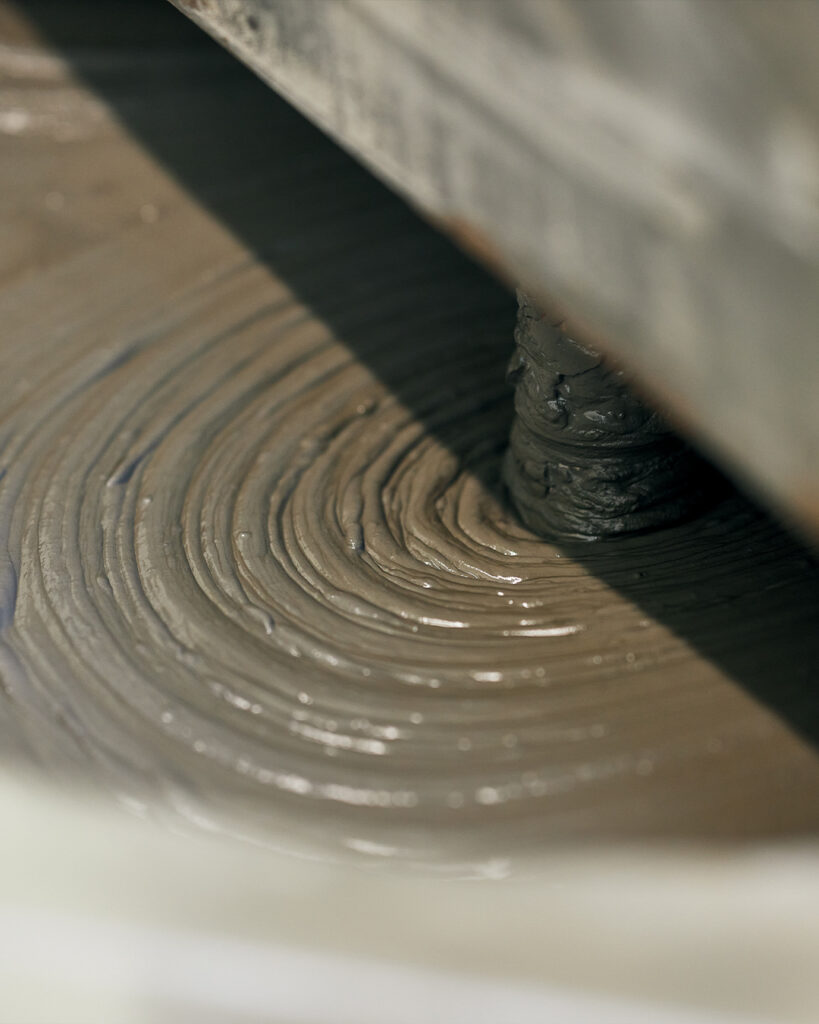
Water, earth, and air are among nature's oldest and most effective remedies. Even the Romans used warm thermal and spring water in their baths to strengthen body and mind. Earth was used in the form of mud, fango, and clay in mud baths and has been known for its beneficial effects for centuries. The climate and thus the air also play a decisive role. In health resorts with a therapeutic climate, the pure air is particularly beneficial and can contribute to the regeneration of body and soul during hikes – for example, in the Black Forest. All three elements unfold their effects individually and can naturally support relaxation, health, and well-being.

You can find out what they can do and where they are used in the magazine articles “Water as a remedy,” “The Power of the Earth” and “Beneficial air as a remedy.”

The remedies in natural cosmetics:

Natural remedies have shaped the health culture in Baden-Württemberg for centuries. Their effects are not limited to spa centers or therapy pools, but extend far beyond. More and more spas and health resorts are also using their valuable resources for high-quality natural cosmetics. Water, earth, and brine are finding their way into creams, lotions, and shower products that bring the beneficial effects of health resorts directly into the home. Four examples from the spas and health resorts in Baden-Württemberg show how tradition and modernity go hand in hand here.

Bad Mergentheim – The best of Paul:

The vegan and natural brine care range “DAS BESTE VON PAUL” is manufactured by Galvagni Schönheit in Bad Mergentheim. It contains effective and natural ingredients and is free from parabens, mineral oils, colorants, and animal testing. At the heart of the products is the carbon dioxide-rich brine water from the Paulsquelle spring, which was discovered in 1952 at a depth of 551 meters. With its high mineral content, it is used in Bad Mergentheim for therapies in brine pools and in the graduation pavilion. It is now also found in skincare products for home use.

Bad Dürrheim – SALZQUELL Natural Cosmetics:

In 1822, a salt dome was discovered in Bad Dürrheim at a depth of 105 meters. Since 1851, the mineral-rich brine contained therein has been used for health and well-being in baths and inhalations. Since 2015, the brine has also been used for natural cosmetics. SALZQUELL is a natural cosmetics brand that is regional, alkaline, and vegan. The products combine highly concentrated brine with the low-salt healing water from Bad Dürrheim's Bertolds Quelle spring and are supplemented with herbs and plant substances. The result is creams, shower gels, body lotions, and hand creams that can support skin regeneration, loosen and smooth dandruff, and promote natural cell renewal.

Bad Schönborn – Natural brine:

It forms the basis of a unique cosmetics range consisting of body lotion, shower gel, shower cream, face cream, hand cream, and foot cream. It combines valuable minerals from the Lambertus spring with the medicinal plant organic woad. This medicinal plant has been valued for its regenerative properties for over 2000 years. Together, the natural, high-quality active ingredients can promote skin formation, provide vitality, support regeneration, and offer lasting care.

Bad Wildbad – HydroEssence and ForestEssence:

These two essences are part of the cosmetics and body care lines from the Bad Wildbad skincare range. HydroEssence reflects the vitality and purity of the ocean and water. This line includes hair and body shampoo as well as hand and body lotion, which combine care with sustainability and are available in 100% recycled plastic packaging. The products contain vegan, pH-neutral formulas, sea minerals, and algae extracts that can provide small moments of wellness. ForestEssence transports you into nature and can provide a relaxing experience for body and mind. The body care products contain woody scents from recycled sandalwood, pine needles, and cedarwood, as well as exquisite oils. The ingredients they contain come from recycled materials that are used efficiently.

Conclusion

Whether water, earth, or air: Baden-Württemberg's natural remedies have been an integral part of the region's spa tradition for centuries. Today, their beneficial effects can be found in care products that combine health, naturalness, and effectiveness. The spa resorts demonstrate how proven remedies enrich modern natural cosmetics.


References

Das Beste von Paul Bad Mergentheim: https://www.bad-mergentheim.de/downloads/?archiv=1466

SALZQUELL Bad Dürrheim: https://salzquell.de/

Natur-Sole Bad Schönborn: https://www.bad-schoenborn.de/de/Thermarium/Thermarium-Shop?utm_source=chatgpt.com

HydroEssence und ForstEssence Bad Wildbad:
Staatsbad Wildbad: Produkte - Forest Essence Hair & Body Shampoo 300 ml
Staatsbad Wildbad: Produkte - Hydro Essence Hair & Body Shampoo 300 ml

Natur.gesund Heilmittel: https://naturgesund-bw.de/#

Natur.erholt:
https://naturerholt.de/magazin/wohltuende-luft-als-heilmittel/
https://naturerholt.de/magazin/die-kraft-der-erde/
https://naturerholt.de/magazin/wohltuende-luft-als-heilmittel/

Origin of mineral water

Natural mineral water is more than just water. It is the purest drinking water, created by rainwater and a long natural process. But how exactly is this special water, which refreshes us and provides us with valuable minerals at the same time, created? The origin lies in a long, fascinating and individual process that takes place underground.

How is mineral water made?

It all starts with rainwater that hits the ground, seeps into the earth and travels through different layers of soil and rock for years or even centuries.

As it seeps away, the water absorbs valuable minerals such as calcium, magnesium, sodium and hydrogen carbonate. These substances come from the rocks through which the water seeps. In deeper water-bearing layers, the water also combines with carbonic acid (H2O) and carbon dioxide (CO2). 

The precipitation is enriched and filtered with minerals, trace elements and carbon dioxide through numerous reactions and processes. Depending on the overlying layers of rock, each mineral water develops its own character, shaped by the regional geological conditions.

The difference between groundwater and mineral water

The most important difference between groundwater and mineral water lies in its depth and purity.

Groundwater: It is often only 40 to 50 meters below the earth's surface and is therefore more susceptible to contamination by pollutants from agriculture or industry. This is why groundwater is purified before it reaches our households as tap water.

Mineral water: Originates from much deeper layers, up to 1,000 meters below ground. At this depth, the water is naturally protected from external influences. According to the German Mineral Water Ordinance, mineral water must be originally pure, may not be treated and must be bottled directly at the source. These strict requirements guarantee the highest quality and purity.

Mineral water from the spas and health resorts of Baden-Württemberg

Baden-Württemberg, and the Black Forest in particular, is known for its exceptional mineral water springs. Here, the water makes its way through thick layers of granite, gneiss and red sandstone. These rocks filter the water particularly effectively and enrich it with an extraordinary amount of minerals. 

The Black Forest region is therefore home to many renowned mineral water brands. These draw their water from the healing springs and spas in the region, including exemplary:

Conclusion: A unique piece of nature

Natural mineral water is a true miracle of nature. It is created over decades to centuries and is shaped by the geological conditions of its region. Every mineral water is unique - fresh, pure and full of minerals. A sip of mineral water is therefore more than just refreshment: it is a piece of nature in its purest form.

You can read even more about water, health and relaxation in the “Erfrisch dich!” magazine: https://www.yumpu.com/de/document/read/68614364/magazin-erfrisch-dich


References

https://www.yumpu.com/de/document/read/68614364/magazin-erfrisch-dich

Cultural heritage - Roman bathing culture in Baden-Württemberg

Even the ancient Celts used the divine and healing power of warm water. The Romans, who occupied the area that is now Baden-Württemberg around 70 BC, not only used the Celts' thermal springs, but even adopted their gods and simply made them the companions of their own. But for the Romans, the thermal springs were not mystical places, they were part of the “ars vivendi” (the art of living) and an expression of social status.

Magnificent bathrooms with history 

The Romans built magnificent bathing facilities at the Celtic springs. They were places where people met, talked, haggled and were pampered. The baths also had a kind of “spa” with massages and sweating cures in heated rooms, cosmetic treatments with pumice stone, mud packs, almond bran and drinking cures with mineral waters. In the 5th century, with the fall of the Roman Empire, the advanced spa culture also collapsed. In the 14th century, the public baths fell into disrepute due to infectious diseases and fears of the dark forces.

© Badenweiler Tourismus GmbH

The development of a bathing culture

In the 18th and 19th centuries, in the age of progress and research, the healing effects of water on the human organism were studied intensively. The benefits of additives such as mineral salts, extracts from slag or herbs and essential oils were also recognized. At the same time, the thermal baths were also redesigned, resulting in magnificent domed buildings and splendid baths. A rich spa culture developed and the social elite met in the elegant spas to maintain their health and enjoy cultural life. These places became centers of sensual pleasure and social life where life and health were celebrated.

This glorious era came to an abrupt end with the world wars. Today, the long tradition is experiencing a new upswing. Awareness of the importance of maintaining one's own health is becoming increasingly important. Health and wellness facilities are adapting to the new demands of their guests and offer pure health and relaxation in an inviting feel-good atmosphere.

© CARASANA Bäderbetriebe GmbH

From the baths to the thermal baths

Nowadays, spas are a blessing for body and soul. Due to geothermal activity, the water is at least 20 degrees when it comes out of the spring and is rich in minerals that can have a soothing and regenerating effect on the skin and muscles. Spas can also provide ideal opportunities for relaxation and relief from muscle and joint pain. The combination of warm water and natural minerals makes them a popular place for wellness enthusiasts. Baden-Württemberg offers a variety of spas and baths where you can take a break from the stresses of everyday life.


References

https://naturgesund-bw.de/historische-baeder/

Forest. Source of water: on the waterfall trail in Bad Urach

The forest is the source of water and a symbol of life. The best way to follow the path of water is on one of the five premium hiking trails around Bad Urach: the waterfall trail. The trail leads to the source of the water, the Bad Urach waterfall. It also offers a magnificent view from the slide rock and leads past another impressive natural phenomenon, the Güterstein waterfall.

The Urach waterfall

The Urach waterfall is located in a nature reserve and is a geotope and forest biotope. A special phenomenon that can be observed there is the growth of calcareous tufa (spring tufa): The calcareous water loses lime from the moss cushions, which is deposited and covers them. Over thousands of years, meter-thick deposits have formed in this way. Together with the mosses, the calcareous tufa forms a valuable habitat for insects, which in turn provide food for other animals such as the fire salamander.

The Güterstein waterfall

The Güterstein waterfall is more hidden and romantic, but no less impressive than the large Urach waterfall. Here, the water falls in many small cascades into a pond, giving the waterfall its own character.

Premium hiking trail Wasserfallsteig

Awarded Germany's most beautiful hiking trail in 2016, the Wasserfallsteig impresses with its contrasts between valley and plateau, forest and meadows, shadow and light as well as proximity and distance. The circular hike leads through the partly primeval forest-like landscape of the Swabian Alb UNESCO biosphere reserve to two impressive waterfalls. On the Alb plateau, there is a view of the Urach Alb and the ruins of Hohenurach Castle. You get an insight into the wildlife of the forest and can visit the fillies of the Marbach stud farm.

Directions

The waterfall trail starts at the Maisental P23 hiking parking lot at the foot of the Schlossberg. From there, the trail leads along the Brühlbach stream into the valley of the same name, via which you reach the Urach waterfall. A nature trail with steps leads along the waterfall up to the high meadow, where a rest area with a serviced waterfall hut invites you to take a break. Refreshed, the trail continues up the Ameisenbühl, past the impressive slide rock. Continuing along the plateau, you pass the Rohrauer Hütte and enter the forest. A forest path leads you to the Fohlenhof farm of the Marbach stud farm, where there are barbecue areas for resting. A natural stone path leads through the forest to the former Güterstein Charterhouse, past the Güterstein waterfall to the foot of the slope. From here, follow a path in the direction of Bad Urach back to the parking lot.

Equipment and safety

Sturdy footwear, hiking poles and sure-footedness are recommended for the Wasserfallsteig and other tours of the Grafensteige. The chalky rock and ground can be very slippery, especially after and during rainfall and in the winter months.

Tip after the hike

After the strenuous hike, the water can be followed to the Alb Thermen Bad Urach. There, body and soul can relax in six indoor and outdoor pools with 32 to 38 degree warm water or enjoy the soothing warmth in the sauna area. Bad Urach has been known as a geological anomaly for over 150 years. Scientists suspected hyperthermal mineral water at great depths. In 1969, local citizens founded the "Ermstal-Bohrgesellschaft" and in 1970 found hot spring water at a depth of 770 meters, today's thermal water.


References

https://www.badurach-tourismus.de/

Kneipp as a remedy

One of the best-known water treatments is the Kneipp cure. As early as the 19th century, the priest Sebastian Kneipp (1821-1897) recognized that walking in ice-cold water activates the body's self-healing powers and thus strengthens the immune system. Nowadays, the state-approved Kneipp spas offer a variety of treatments, including cold and hot showers, contrast baths, ablutions, dew walking and treading water. The focus of Kneipp today is also on mental balance, herbal treatments, exercise stimulation and an optimized diet.

Indications: What can Kneipp help with?

  • Psychosomatic diseases and nervous disorders
  • Chronic pain
  • Gynecological diseases
  • Geriatric diseases

Forms of application

  1. For inner balance and order: Kneipp learned as a pastor and pastor that a healthy person also needs a healthy soul. In the Kneipp health resorts and teaching, the aim is to find your inner balance and recharge your batteries.
  2. In nutrition: Enjoyment played a major role in Sebastian Kneipp's life. Thus, the diet should also contribute to enjoyment and be tasty and natural. His teaching focuses on versatile whole foods.
  3. The effectiveness of medicinal plants: Kneipp also recognized this early on and used ancient knowledge to make teas, ointments and tinctures from herbs. Even today, medicinal plants and herbs are used in Kneipp therapy.
  4. movement: It makes you happy and lifts your mood, Sebastian Kneipp also knew that: "Exercise increases the zest for life and helps people by strengthening their body." He recommended moderate exercise, especially in the fresh air. Even today, exercise is part of Kneipp therapy.
  5. The application of water: Mostly in the form of Kneipp treatments such as, alternating baths between hot and cold, Kneipp basins and much more, which help to activate our immune system.


Five Kneipp tips for at home

Active ingredient Movement

In addition to the musculoskeletal system and the cardiovascular system, exercise also has an effect on the entire metabolism. Exercise can therefore help to stay healthy and protect against illness. At least 150 minutes of moderate physical activity per week is recommended for health-oriented activities. In everyday life, for example:

  • Cycling to work or to the shops.
  • Get off the bus one stop earlier or park the car further away and walk the rest of the way.
  • Take a short walk during your lunch break.
  • Take the stairs instead of the escalators or elevator.

Relaxation and serenity

Finding your inner center and going through everyday life calmly. That's what we all want. But how does this work in everyday life, with stress, crises and anxiety? Pastor Kneipp already had an answer to this. He recommended listening to your own body and always ensuring a balanced relationship between rest and activity. Today this can be done with:

  • Yoga
  • Tai Chi
  • Pilates
  • Stretching exercises
  • Breathing exercises
  • Forest bathing 
  • Indian Balance

The right nutrition:

Kneipp's health teachings focus on a balanced, healthy and natural diet without prohibitions. This diet can help to positively influence the function of the gut and therefore our health and mood. Because today we know that the gut plays an important role in being healthy and happy. With good and proper nutrition, our gut absorbs all the important nutrients and functional substances that the body needs. It is therefore important that our gut and the 100 trillion bacteria living there are well supplied with soul food, because: Food can make you happy.

Water treatments

Water and Kneipp go together like a pot and a lid. Kneipp fell ill with tuberculosis at the time. He managed to cure himself by immersing himself in the Danube. Nowadays, Kneipp's water treatments are so popular mainly because they are so easy to carry out. Applications that can be easily integrated into everyday life are

  • Treading water in a bucket of cold water.
  • Walking barefoot across a wet meadow in the morning.
  • Hold your feet in a cold stream while hiking or tread water in a stream.
  • Alternating showers with hot and cold water.

Medicinal plants

Sebastian Kneipp was an enthusiastic user of medicinal plants for bath additives, tinctures, ointments and teas. His favorite herb was arnica. It is not said for nothing: "There is a herb for every disease." Over 150 years ago, Kneipp attributed various effects to around 45 plants, which are now scientifically proven. Among them:

  • Valerian, hops, lemon balm and lavender have a calming effect.
  • Chamomile, bran, yarrow, oak bark and oat straw are good for the skin.
  • Caraway, aniseed and fennel help against flatulence.
  • Hay flowers are good for the musculoskeletal system.
  • Thyme, eucalyptus, conifers and camphor help with respiratory diseases.
  • Rosemary and hawthorn stimulate the circulation.


Awards: What characterizes a Kneipp health resort or a Kneipp spa?

Awards serve as a seal of quality in health tourism. In order to receive an award, certain standards must be met in the area of medical facilities and tourist infrastructure. The state's health resort law defines these requirements.

Kneipp spa/health resort

Not every spa town or bath is allowed to call itself a Kneipp spa or Kneipp spa. The spas that have been awarded a distinction have natural water sources for treatments such as cold or hot showers, dew running or treading water. In addition, there is a lot of nature and tranquility in and around the spa town to relax and find your inner balance again. In addition, medicinal plants and herbs play an important role in the treatments of the Kneipp cure. The Kneipp cure consists of five pillars: inner balance, enjoyment, herbs, exercise and water.

Water as a remedy

In medicine, water has long been known as a natural remedy. Even the Romans built magnificent baths in which fresh spring or thermal water was used to strengthen the body and mind. Today, spas and health resorts use the effects of water in different ways.

Indications: What can water help with?

  • Cardiovascular diseases, post-myocardial infarction treatment, blood pressure abnormalities, venous diseases
  • Vegetative-nervous dysfunctions
  • Chronic respiratory diseases 
  • Organic and functional disorders
  • Conditions after operations in the fields of surgery, orthopedics, gynecology
  • Metabolic disorders

Forms of application

  1. During drinking cures, healing water is administered in quantities between 100 ml and 1,500 ml. Depending on the ingredients, different healing waters can be used to treat deficiency symptoms, gastric mucosal irritation or thyroid dysfunction.
  2. The exercise bath is an exercise treatment in the water that uses the heat effect and buoyancy of warm water. It is suitable for many applications, such as after fractures, operations and similar problems.
  3. As a fine mist or vapour, healing waters also have a local effect on the mucous membranes as a means of inhalation. This stimulates the body's self-cleaning mechanisms, loosens stubborn mucus in the airways and relieves inflammation.


Types of water

Mineral thermal water

Thermal water is characterized by a high temperature at the source: It has to be at least 20 degrees Celsius before it can be called thermal water. 

Brine water

On its way through countless layers of rock, salts from the primeval sea can also dissolve in the water. This creates a salty brine that is used for therapeutic purposes. Only water with at least 5.5 g sodium and 8.5 g chloride ions per liter can be called brine.

Water containing sulphur and radon

Sounds toxic, but it's not: water containing sulphur and radon has also been used in healing medicine for some time. Sulphur baths have a therapeutic function for skin diseases and rheumatism. The radioactive noble gas radon can be found in small doses in some springs. Radon water is used as a drinking cure or bath in various therapies.

CO2

The carbonic acid bath is a bath that is mixed with carbon dioxide. The substance turns into carbonic acid in the bath water, which is absorbed through the skin. Carbonic acid baths can promote blood circulation, lower blood pressure, improve the oxygen supply to organs, relieve pain and combat inner restlessness.


Predicates: What makes a spa a spa?

Awards serve as a seal of quality in health tourism. In order to receive an award, certain standards must be met in the area of medical facilities and tourist infrastructure. The state's health resort law defines these requirements.

Mineral/thermal spa

Not every spring is a thermal spring: for the title thermal spa, the water at the spring must be at least 20 degrees Celsius. If the thermal water also contains valuable minerals and trace elements, then the spa town can call itself a mineral thermal spa. The healing waters come from natural local springs. If the temperature of the mineral-rich water is less than 20 degrees Celsius, it is called mineral water - thus the spa is a mineral spa.

Brine spa

In order for a spa to be called a brine spa, 5.5 grams of sodium ions and 8.5 grams of chloride ions must be contained in one litre of water. In Baden-Württemberg there are a total of six spas with brine.

Pilates, wellness, nature - a spring day in Bad Mergentheim

For our excursion tips on Instagram and TikTok we check out spas and health resorts in Baden-Württemberg every month - most recently we went to Bad Mergentheim an der Tauber, in the north of Baden-Württemberg, for a day. We’ll take you here on our day too!

First stop: Pilates 

Our day in Bad Mergentheim started with exercise and a pinch of discipline: a Pilates course at the Kurhaus was on the agenda. We were allowed to try out the sport for an hour - harder than we thought! The full-body exercises were intense, but we really enjoyed them.

Did you know ? Pilates is effective and pain-relieving, the ability to concentrate is increased by reducing stress and the targeted movements optimize coordination and fitness.

A stroll through the spa gardens

Inspired by Pilates, we stepped out into the fresh air and set off on a stroll through the spa gardens: a real highlight! 134,000 square meters of landscaped gardens, a café, graduation pavilion and pure nature. The themed gardens and the variety of plants and trees offer the perfect place to relax. It's hard to imagine how great it looks here in summer!

Visit to the drinking fountains

The drinking fountains were the next item on our list. A knowledgeable introduction made it easier for us to access this traditional element of the spa. Even though the taste of the water was unfamiliar at first, we were convinced by the knowledge of its health-promoting effects.

Wellness at the end of the day

After so much activity, we were drawn to the Solymar thermal baths - a relaxing contrast to the start of the day. In the warm water, we were able to let the day sink in again and simply relax.

The Solymar Therme combines a sauna paradise, family pool, sports pool, spa and thermal baths. Six vitality and saltwater pools filled with warm healing water are the perfect place to relax. A highlight: the panorama sauna with a view over the Tauber Valley.

en_USEN