Herzklopfen & Heilkraft: Heiraten in den Heilbädern und Kurorten Baden-Württembergs

Wo Heilquellen sprudeln, Moorlandschaften das Bild prägen und grüne Oasen zum Verweilen einladen, erhalten besondere Tage einen einzigartigen Rahmen. In Baden-Württembergs Heilbädern und Kurorten finden Paare Trauorte, die untrennbar mit den natürlichen Heilmitteln des jeweiligen Ortes verbunden sind. Ob das Ja-Wort tief unter Tage, in historischen Gebäuden der Bäderarchitektur, direkt am Wasser oder inmitten der Natur der Kurparks gegeben wird – diese Locations spiegeln die Identität sowie die Gesundheitskultur ihrer Umgebung wider und machen das Eheversprechen zu einem ganzheitlich besonderen Erlebnis.

Ja sagen zwischen Badekultur und Geschichte

Besonders eindrucksvoll zeigt sich diese Verbindung dort, wo historische Orte selbst Teil der Kurgeschichte sind. In Badenweiler heiraten Paare in der römischen Badruine – einem Ort, an dem die Geschichte des Kurortes bis heute sichtbar bleibt und an dem eine antike Inschrift, „Si me amas – wenn du mich liebst“, von früheren Liebesgeschichten erzählt. 

In Baden-Baden führt der Weg zur Trauung in eine der großen Bühnen europäischer Kurkultur: das Kurhaus mit dem weltberühmten Casino. Der von der Villa Trianon in Versailles inspirierte Salon Pompadour verbindet prächtige Ausstattung mit jener Eleganz, die Baden-Baden als traditionsreichen Kurort geprägt hat. 

Diese Verbindung von Badetradition, Kurarchitektur und Parklandschaft führt Bad Wildbad auf eigene Weise weiter. Im Forum König-Karls-Bad, einem der eindrucksvollsten ehemaligen Badegebäude Baden-Württembergs, bietet der Kuppelsaal einen festlichen Rahmen für Trauungen. Das stilvolle historische Ambiente und das malerische Treppenhaus sind die perfekte Kulisse für Hochzeitsfotos. 

Hochzeit im Stollen, am Moor und nah am Wasser

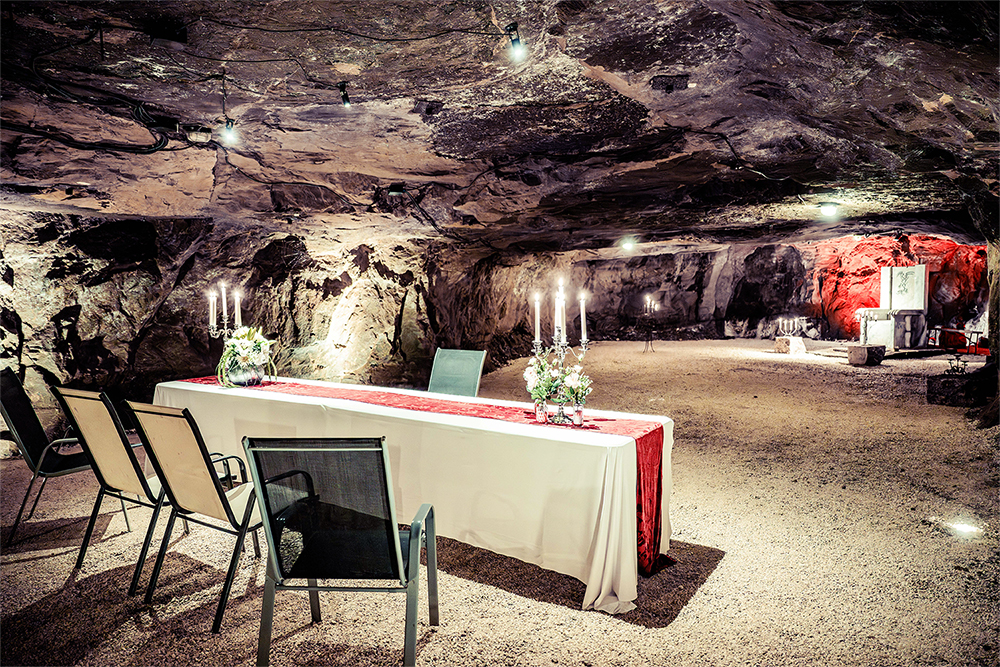
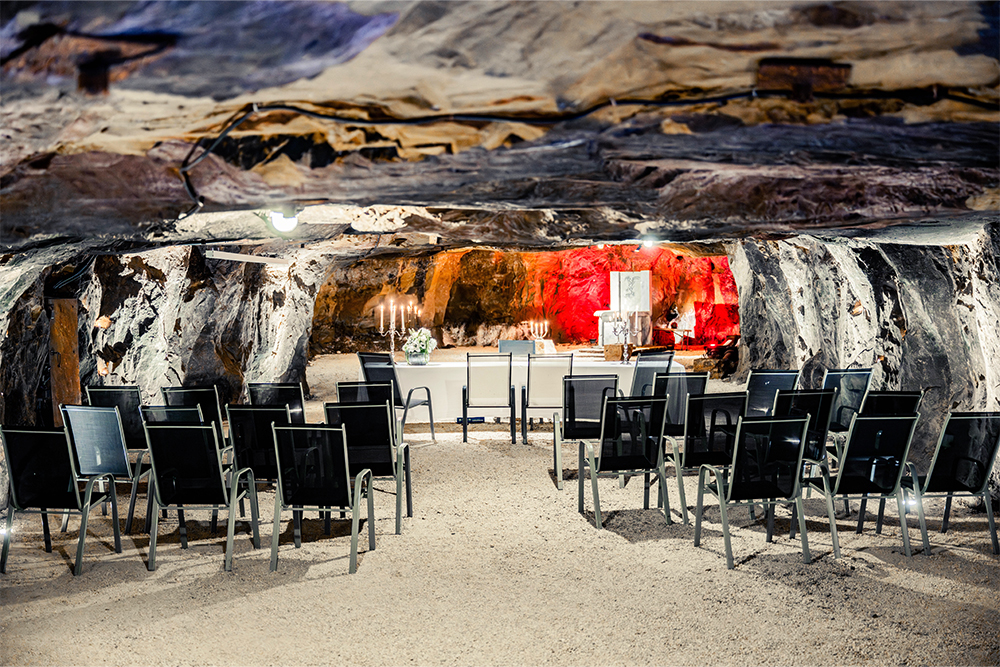
Nicht nur glanzvolle Festsäle machen sichtbar, wie eng Hochzeiten in Heilbädern und Kurorten mit natürlichen Heilmitteln und der Identität des jeweiligen Ortes verbunden sein können. Auch dort, wo Heilwirkung und besondere Atmosphäre den Rahmen setzen, haben Paare eine reizvolle Möglichkeit, den Bund fürs Leben zu schließen. Ein außergewöhnliches Beispiel dafür ist das Besucherbergwerk Tiefer Stollen in Aalen-Wasseralfingen. Das ehemalige Eisenerzbergwerk ist zugleich ein anerkannter Heilstollen, dessen besonderes Mikroklima Ruhe schenkt und den Moment intensiv spürbar macht. Mit der historischen Grubenbahn geht es gemeinsam mit den Gästen 400 Meter tief in den Braunenberg hinein, wo im Herzen des Berges eine eigens für den großen Tag gestaltete Sandsteinhalle wartet. Hier wird jede Trauung zu einem magischen Ereignis, das Brautpaar und Gäste noch lange in Erinnerung behalten.

© Stadt Aalen – Tobias Holzinger

Dass Hochzeitsorte eng mit einem natürlichen Heilmittel verknüpft sein können, zeigt sich auch in Bad Wurzach. Maria Rosengarten, das ehemalige Kloster, gilt als Wiege des Moorbadens und ist der historische Ursprung des Heilbades. Für kleinere Gesellschaften steht dort ein separates Trauzimmer zur Verfügung. Weitere Top-Adressen sind der Kursaal am Kurpark und das feelMOOR Gesundresort. Besonders praktisch: Hochzeitsgäste können hier direkt übernachten. 

Auch in Bad Buchau prägt das Moor die Atmosphäre des Kurortes. Das Federseegebiet bildet mit Wasser und weiten Schilflandschaften keinen bloßen Hintergrund, sondern gehört zum landschaftlichen Kern des Ortes. Paare können sich im Goldenen Saal der Federseeklinik oder im Spiegelsaal der Schlossklinik das Ja-Wort geben. Der eine setzt mit Stuckdecken, Kristall-Leuchten und Goldapplikationen auf festliche Pracht, der andere auf helle Weite und den besonderen Effekt geschickt angeordneter Spiegel.

Kurorte mit Profil und Geschichte

Bad Mergentheim gilt als eines der traditionsreichsten Heilbäder der Region. Die Entdeckung mehrerer Heilquellen im 19. Jahrhundert legte den Grundstein für den Aufstieg zum anerkannten Kurort. Bis heute prägt die Solequelle „Paulsquelle“ das Gesundheitsangebot der Stadt. Sie speist die Solebecken der Solymar Therme Bad Mergentheim und reichert zugleich die Luft im Gradierpavillon im Kurpark mit feinen Salzaerosolen an. Der weitläufige Kurpark mit alten Baumbeständen, Trinkstellen und ruhigen Wegen verbindet Bewegung, Atemtherapie und Erholung. Die historische Altstadt und das Taubertal schaffen einen Rahmen, in dem Kuraufenthalte und Naturerlebnisse wie selbstverständlich ineinandergreifen.

Bad Wimpfen verbindet seine Rolle als Soleheilbad mit einer außergewöhnlichen historischen Kulisse. Hoch über dem Neckar gelegen, erzählt die Stadt von staufischer Geschichte, früher Salzgewinnung und einer langen Badetradition. Das Solebad Bad Wimpfen knüpft daran an und nutzt die natürliche Sole für Bade- und Inhalationsangebote. Die warmen Innen- und Außenbecken öffnen den Blick auf die umliegende Landschaft – ergänzt durch ruhige Saunabereiche. So entsteht ein Ort, an dem Geschichte und Erholung spürbar zusammenfinden.

Bad Rappenau ist eng mit der Salzgewinnung verbunden. Aus ehemaligen Salzlagerstätten entwickelten sich Heilquellen, die den Ort zum Soleheilbad machten. Heute prägen großzügige Parkanlagen, ein historisches Wasserschloss und moderne Badeangebote das Bild der Stadt. In der RappSoDie, dem Bade- und Saunaparadies, wird aktuell das Sole‑Hallenbad im Zuge einer umfassenden Modernisierungsmaßnahme durch einen modernen Neubau ersetzt, während das beliebte Saunaparadies weitgehend erhalten und zugänglich bleibt; die Wiedereröffnung ist für Herbst 2027 geplant. Neben dem Wasser‑ und Wellnesserlebnis unterstreichen Spazierwege, Grünanlagen und ruhige Rückzugsorte den klassischen Kurcharakter des Ortes.

Bad Schönborn liegt im Kraichgau und verbindet gleich mehrere Gesundheitskonzepte. Als Soleheilbad, Heilquellenkurbetrieb und Kneipp-Ort setzt die Gemeinde auf ein ganzheitliches Verständnis von Wohlbefinden. Die Thermal- und Solebecken des Thermariums Bad Schönborn werden aus natürlichen Thermalsolequellen gespeist, die aus großer Tiefe an die Oberfläche treten. Kneipp-Anwendungen, Bewegungsangebote und naturnahe Parkanlagen runden den Aufenthalt ab. Das Zusammenspiel von Wasser, Bewegung und Landschaft prägt den ruhigen, ausgleichenden Charakter des Ortes.

Kurparks als grüne Trauorte

Kurparks sind Orte des Durchatmens, der Bewegung und der Begegnung – und damit auch besondere Orte für Trauungen und Feiern. Zwei ganz unterschiedliche Kulissen bieten das Kurhaus und der Pavillon in Bad Liebenzell. Während der Spiegelsaal im Innenraum ein festliches Ambiente schafft, ermöglicht der Pavillon eine Zeremonie unter freiem Himmel – eingebettet in die ruhige, grüne Atmosphäre der Parkanlage. So verbindet die Gemeinde klassische Architektur mit der Leichtigkeit einer Feier im Freien.

Mitten im Grünen liegt auch das Kurhaus von Bad Krozingen und bringt damit zwei zentrale Elemente des Heilbades zusammen: festliche Architektur und Natur. Da sich dort eine Außenstelle des Standesamtes befindet, können Paare sich direkt in diesem besonderen Rahmen das Ja-Wort geben. Bei schönem Wetter sind hier ebenfalls Zeremonien unter freiem Himmel möglich.

Ein wahrer Schatz an historischen Schauplätzen erwartet Heiratswillige in Bad Wildbad: Hier liegen die Trauorte idyllisch im denkmalgeschützten Kurpark. Dazu gehören die Englische Kirche, das Jugendstil-Juwel Vogelhaus, der Maurische Pavillon und der Rosengarten. Mit der historischen Trinkhalle rückt zudem das Heilmittel Wasser in den Blickpunkt, während der Kursaal die Verbindung zur klassischen Tradition des Bades aufgreift.

Mit seiner weitläufigen Grünanlage fügt sich auch Bad Dürrheim in diese Reihe ein. Mitten im Herzen des Sole-Heilbades und heilklimatischen Kurortes können Paare den gemeinsamen Lebensweg unter freiem Himmel beginnen – umgeben von alten Bäumen, gepflegten Rasenflächen und frischer Schwarzwaldluft.

Diese charmante Idee greift Königsfeld im Schwarzwald ebenfalls auf. Symbolisch für die Anlage und den Urlaubsort steht der weiße Pavillon, direkt neben einem Brunnen und eingebettet in bunte Blumenrabatten sowie idyllische Natur. Hier können Paare ihre Liebe in einer ruhigen, naturverbundenen Umgebung besiegeln.

Der Bund fürs Leben mit Seeblick und Open-Air-Charme

Manchmal ist es vor allem die Lage, die einem Trauort sein einzigartiges Flair verleiht. Direkt am Bodenseeufer in Überlingen liegt die Villa am See. Das Standesamt ist dort in einem historischen Gebäude aus dem 19. Jahrhundert untergebracht, das von der blühenden Badekultur der Region zeugt. Umgeben von den Villengärten, altem Baumbestand und gepflegten Grünflächen verbindet die Location den Blick auf das Wasser mit dem Charakter einer gewachsenen Parkanlage. Ein nahegelegenes Kneipp-Becken unterstreicht die erholsame Atmosphäre und macht das Ja-Wort zu einem unvergesslichen Moment zwischen Geschichte, Natur und Kurtradition.

Auch Bad Säckingen bringt mit der Konzertmuschel im Schlosspark einen großzügigen Freiluftort ein. Bei schönem Wetter bietet sie mit bis zu 250 Sitzplätzen einen besonderen Rahmen für größere Trauungen. Ob auf der Bühne oder unter dem Zeltdach davor: Das Brautpaar wird vor der Kulisse des Schlossparks stimmungsvoll in Szene gesetzt. Die offene Lage im Grünen verleiht der Zeremonie eine festliche, zugleich leichte Atmosphäre und macht die Konzertmuschel zu einem Trauort, der Feierlichkeit und Parklandschaft miteinander verbindet.

All diese Eindrücke zeigen: Das Zusammenspiel aus einmaliger Architektur und dem direkten Bezug zu natürlichen Heilmitteln macht Hochzeiten in Heilbädern und Kurorten zu einem unvergesslichen Erlebnis. Und neben den genannten Beispielen halten zahlreiche weitere Heilbäder und Kurorte in Baden-Württemberg außergewöhnliche Locations für den schönsten Tag im Leben bereit.


Bilder:

Titelbild: Lena Usenko & Elina Leitz
Bilder Aalen: Stadt Aalen_Tobias Holzinger

Sources:

https://www.gemeinde-badenweiler.de/rathaus-service/heiraten-in-badenweiler
https://www.ueberlingen.de/standesamt
www.bad-wildbad.de/heiraten
https://daskurhaus.de/events-und-feiern/
https://www.gvvbadbuchau.de/gvv-aktuell/heiraten-im-federseegebiet
https://www.baden-baden.de/buergerservice/service/familiaeres/heirat/trausaele-trauorte
https://www.badsaeckingen.de/informationen-service/eventlocations-mieten
https://parkcafe-koenigsfeld.de/#events
https://www.schwarzwald-tourismus.info/attraktionen/kurpark-koenigsfeld-im-schwarzwald-eafb9e7023
https://www.badduerrheim.de/Freizeit-Tourismus/Service/Raeume-zu-mieten
https://www.bad-krozingen.info/Tagen-Feiern/Feiern-im-Kurhaus
https://www.bad-wurzach.de/stadt/de/startseite
https://www.aalen-tourismus.de/startseite.168406.htm
Die Bodensee-Region – Gesundheitslandschaft am Wasser

Der Bodensee prägt seit Jahrhunderten eine Region, in der Wasser nicht lediglich ein landschaftliches Element ist. Als natürliche Ressource bildet es die Grundlage einer gewachsenen Kur- und Badetradition, die sich entlang des Seeufers entwickelt hat. In anerkannten Heilbädern und Kurorten wird Wasser gezielt genutzt – zur Entspannung, zur Förderung der Bewegung und als Bestandteil ganzheitlicher Gesundheitsangebote. Die Bodensee-Region steht damit exemplarisch für eine Form der Erholung, die aus natürlichen Gegebenheiten heraus entstanden ist und bis heute behutsam weitergetragen wird.

Wasser – verbindendes Element der Kur- und Badekultur

In der Bodensee-Region zieht sich Wasser wie ein roter Faden durch die Gesundheitsangebote. Ob als Kneipp-Anwendung, als Thermal- oder Mineralwasser – seine unterschiedlichen Erscheinungsformen ermöglichen vielfältige Anwendungen. Aktivierende Reize stehen ebenso im Fokus wie entspannende Badeformen und bewusste Ruhephasen. Charakteristisch ist der niedrigschwellige Zugang: Viele Angebote sind so gestaltet, dass sie regelmäßig genutzt werden können und sich selbstverständlich in den Alltag einfügen. Diese enge Verbindung von natürlicher Ressource, Ort und Lebensrhythmus prägt den besonderen Charakter der Region.

Überlingen – Kneipp-Heilbad mit Thermaltradition

Überlingen liegt am nördlichen Bodenseeufer und ist als Kneipp-Heilbad sowie Kneipp-Kurort anerkannt. Die lange Kurgeschichte der Stadt spiegelt sich bis heute in ihrem Gesundheitsangebot wider. Kneipp-Tretstellen und Armbadebecken sind fest in den öffentlichen Raum eingebunden und laden zur regelmäßigen Anwendung ein. Wege entlang der Promenade und durch die Parkanlagen fördern Bewegung in ruhigem Tempo und schaffen Raum für bewusste Erholung.

Ein zentraler Bestandteil des Angebots ist die Bodensee-Therme Überlingen. Direkt am See gelegen, nutzt sie natürliches Thermalwasser für Bade- und Entspannungsangebote. Innen- und Außenbecken, eine großzügige Saunalandschaft und Ruhebereiche ermöglichen Erholung mit Blick auf das Wasser. Die Lage direkt am Bodensee lässt das Element Wasser in all seinen Facetten unmittelbar erlebbar werden und verbindet klassische Badekultur mit zeitgemäßen Formen der Entspannung.

Radolfzell am Bodensee – Kneipp-Kurort mit alltagsnahen Angeboten

Radolfzell am Bodensee ist als Kneipp-Kurort anerkannt und zeichnet sich durch eine konsequent alltagsnahe Umsetzung gesundheitsfördernder Angebote aus. Kneipp-Anwendungen sind im Stadtgebiet gut zugänglich und fester Bestandteil des öffentlichen Lebens. Tretbecken, Bewegungsangebote und begleitete Programme ermöglichen eine regelmäßige Nutzung der natürlichen Ressource Wasser.

Ein besonderer Schwerpunkt liegt auf der Verbindung von Bewegung und Wasser. Spaziergänge entlang des Ufers oder auf der Halbinsel Mettnau lassen sich gut mit Kneipp-Anwendungen kombinieren. Radolfzell steht damit für eine ruhige, strukturierte Gesundheitskultur, die weniger auf einzelne Anwendungen als auf Kontinuität und Ausgleich setzt.

Von der Seeregion zur Mineralbadstadt – Wochenendausflug nach Stuttgart

Die wohltuende Wirkung von Wasser ist nicht auf die Bodensee-Region beschränkt. Für einen Wochenendausflug bietet sich Stuttgart als naheliegende Ergänzung an. Die Landeshauptstadt verfügt über zahlreiche Mineral- und Heilquellen und zählt zu den mineralwasserreichsten Städten Europas. Natürliche Mineral- und Solequellen prägen hier seit Jahrhunderten die Badekultur und bilden bis heute die Grundlage moderner Badeangebote.

Im Stadtteil Bad Cannstatt nutzt das SoleBad Cannstatt stark mineralisiertes Solewasser für Bade- und Entspannungsanwendungen. Die Wärme und der Salzgehalt des Wassers werden von vielen Gästen als entlastend für Gelenke und Muskulatur empfunden.

Das Mineralbad Berg verbindet historische Badetradition mit offenen Becken und ruhigen Aufenthaltsbereichen. Hier steht das Baden im mineralhaltigen Wasser im Mittelpunkt – eingebettet in das städtische Umfeld.

Das Leuze ist eines der großen Mineralbäder Stuttgarts. Unterschiedliche Wassertemperaturen, weitläufige Beckenlandschaften und Saunabereiche eröffnen vielfältige Möglichkeiten zur Regeneration.

Heilbad Hoheneck – Mineralwasser in ruhiger Lage

Nur wenige Kilometer nördlich von Stuttgart liegt Ludwigsburg-Hoheneck. Das anerkannte Heilbad ergänzt das urbane Angebot um einen Ort, der sich durch seine ruhige Lage und den Abstand zum städtischen Trubel auszeichnet. Mineralhaltige Quellen bilden hier die Grundlage für Bade- und Kurangebote, die bewusst auf Entschleunigung ausgerichtet sind. Die traditionsreiche Kuranlage schafft einen Rahmen, in dem Ruhe und Wasseranwendungen im Vordergrund stehen.

Conclusion

Die Bodensee-Region zeigt eindrucksvoll, wie vielseitig Wasser als natürliche Ressource eingesetzt werden kann. In Kneipp-Heilbädern und Kurorten wie Überlingen und Radolfzell prägen Kneipp-Anwendungen, Thermal- und Mineralbäder gemeinsam ein vielfältiges Angebot. Mit den Mineral- und Solebädern in Stuttgart sowie dem Heilbad Hoheneck setzt sich dieses Verständnis von Erholung auch im urbanen Raum fort.

So zeigt sich eine Gesundheitslandschaft. die auf natürlichen Ressourcen basiert und Erholung als bewussten, nachhaltigen Teil des Alltags versteht.


Sources:

https://naturerholt.de/

https://naturerholt.de/offers_category/wasser

https://www.bodensee-therme.de

https://www.kneippverband.de/heilbaeder-und-kurorte/ueberlingen/

https://www.radolfzell-tourismus.de/de/entdecken-erleben/gesundheit-wellness/kneipp

https://www.stuttgarterbaeder.de/solebadcannstatt

https://www.stuttgarterbaeder.de/mineralbadberg

https://www.stuttgarterbaeder.de/leuze

https://www.swlb.de/heilbad

https://naturgesund-bw.de/heilbaeder-und-kurorte/#/article/a064d351-d8d3-44de-81a4-c7a329de967a

https://naturgesund-bw.de/heilbaeder-und-kurorte/#/article/ec3d8c5b-27d1-457d-81fa-46e398060dd3

https://naturgesund-bw.de/heilbaeder-und-kurorte/#/article/fccbf206-06d7-4aad-a290-4e86d619bbf3

https://naturgesund-bw.de/heilbaeder-und-kurorte/#/article/432fbf76-a85e-4884-b112-40b2c5a17b2c

Das nördliche Baden-Württemberg – Solelandschaft zwischen Tauber, Neckar und Kraichgau

Sanfte Flusstäler, lichte Wälder und traditionsreiche Kurstädte prägen das nördliche Baden-Württemberg. Zwischen Tauber, Neckar und Kraichgau entfaltet sich eine Kulturlandschaft, in der Wasser seit Jahrhunderten eine besondere Rolle spielt. Tief unter der Erde lagern salzhaltige Gesteinsschichten aus urzeitlichen Meeren. Aus ihnen steigt bis heute mineralreiche Sole empor – als natürliches Heilmittel, als Grundlage gelebter Kurkultur und als stiller Begleiter einer Region, die Erholung nicht inszeniert, sondern behutsam pflegt.

Sole – die Kraft aus der Tiefe

Sole ist mehr als salzhaltiges Wasser. Je nach Zusammensetzung kann sie reich an Natriumchlorid, Kalzium, Magnesium oder weiteren Spurenelementen sein. Diese natürlichen Mineralstoffe machen die Sole zu einem begehrten Heilmittel, das seit Jahrhunderten in der Kurkultur Anwendung findet. Besonders in Bädern, Inhalationen und Trinkkuren wird Sole traditionell für ihre positiven Effekte auf Haut, Atemwege, Bewegungsapparat und Stoffwechsel geschätzt.

Von der Quelle bis zur Anwendung

Die Sole des nördlichen Baden-Württembergs hat ihren Ursprung tief im Untergrund. Hier durchströmt Grundwasser über Jahrtausende salzhaltige Gesteinsschichten, wodurch die Sole mit Mineralien angereichert wird. Über Bohrungen wird dieses mineralreiche Wasser an die Oberfläche gefördert. Je nach Kurort wird die Sole dann behutsam aufbereitet und in ihrer natürlichen Zusammensetzung bewahrt. Sie gelangt direkt aus der Quelle in Badebecken, Gradierwerke oder Trinkstellen, wodurch der Weg von der geologischen Entstehung bis zur Anwendung möglichst kurz bleibt. Das erhält die ursprüngliche Qualität des Heilwassers, sodass es in vollen Zügen genutzt werden kann.

Kurorte mit Profil und Geschichte

Bad Mergentheim gilt als eines der traditionsreichsten Heilbäder der Region. Die Entdeckung mehrerer Heilquellen im 19. Jahrhundert legte den Grundstein für den Aufstieg zum anerkannten Kurort. Bis heute prägt die Solequelle „Paulsquelle“ das Gesundheitsangebot der Stadt. Sie speist die Solebecken der Solymar Therme Bad Mergentheim und reichert zugleich die Luft im Gradierpavillon im Kurpark mit feinen Salzaerosolen an. Der weitläufige Kurpark mit alten Baumbeständen, Trinkstellen und ruhigen Wegen verbindet Bewegung, Atemtherapie und Erholung. Die historische Altstadt und das Taubertal schaffen einen Rahmen, in dem Kuraufenthalte und Naturerlebnisse wie selbstverständlich ineinandergreifen.

Bad Wimpfen verbindet seine Rolle als Soleheilbad mit einer außergewöhnlichen historischen Kulisse. Hoch über dem Neckar gelegen, erzählt die Stadt von staufischer Geschichte, früher Salzgewinnung und einer langen Badetradition. Das Solebad Bad Wimpfen knüpft daran an und nutzt die natürliche Sole für Bade- und Inhalationsangebote. Die warmen Innen- und Außenbecken öffnen den Blick auf die umliegende Landschaft – ergänzt durch ruhige Saunabereiche. So entsteht ein Ort, an dem Geschichte und Erholung spürbar zusammenfinden.

Bad Rappenau ist eng mit der Salzgewinnung verbunden. Aus ehemaligen Salzlagerstätten entwickelten sich Heilquellen, die den Ort zum Soleheilbad machten. Heute prägen großzügige Parkanlagen, ein historisches Wasserschloss und moderne Badeangebote das Bild der Stadt. In der RappSoDie, dem Bade- und Saunaparadies, wird aktuell das Sole‑Hallenbad im Zuge einer umfassenden Modernisierungsmaßnahme durch einen modernen Neubau ersetzt, während das beliebte Saunaparadies weitgehend erhalten und zugänglich bleibt; die Wiedereröffnung ist für Herbst 2027 geplant. Neben dem Wasser‑ und Wellnesserlebnis unterstreichen Spazierwege, Grünanlagen und ruhige Rückzugsorte den klassischen Kurcharakter des Ortes.

Bad Schönborn liegt im Kraichgau und verbindet gleich mehrere Gesundheitskonzepte. Als Soleheilbad, Heilquellenkurbetrieb und Kneipp-Ort setzt die Gemeinde auf ein ganzheitliches Verständnis von Wohlbefinden. Die Thermal- und Solebecken des Thermariums Bad Schönborn werden aus natürlichen Thermalsolequellen gespeist, die aus großer Tiefe an die Oberfläche treten. Kneipp-Anwendungen, Bewegungsangebote und naturnahe Parkanlagen runden den Aufenthalt ab. Das Zusammenspiel von Wasser, Bewegung und Landschaft prägt den ruhigen, ausgleichenden Charakter des Ortes.

Anwendungen zwischen Tradition und Moderne

Ob als warmes Solebad, als Inhalation an Gradierwerken oder als Trinkkur – die Anwendungsmöglichkeiten der Sole sind vielfältig und bewusst schonend. In warmen Solebecken sorgt der natürliche Salzgehalt für spürbaren Auftrieb, der Gelenke entlasten kann und die Muskulatur zur Entspannung einlädt. Die Wärme des Wassers wird dabei häufig als angenehm empfunden.

Gradierwerke und Inhalationsangebote reichern die Luft mit feinen Salzaerosolen an und schaffen ein besonderes Mikroklima. Beim ruhigen Verweilen oder bewussten Atmen können sie sich positiv auf die Atemwege auswirken und das allgemeine Wohlbefinden fördern. Trinkkuren ergänzen das Spektrum und setzen auf die traditionelle Nutzung der enthaltenen Mineralstoffe.

In den Kurorten des nördlichen Baden-Württembergs wird dieses überlieferte Wissen mit modernen Gesundheits- und Thermenkonzepten verbunden. Thermen übersetzen die Nutzung der Sole in zeitgemäße Formen der Entspannung und machen sie sowohl für klassische Kurgäste als auch für Tagesbesucher erlebbar – stets mit Blick auf den natürlichen Ursprung des Wassers.

Conclusion

Das nördliche Baden-Württemberg ist eine Region, in der Sole nicht nur Heilmittel, sondern Teil der kulturellen Identität ist. Bad Mergentheim, Bad Wimpfen, Bad Rappenau und Bad Schönborn zeigen auf unterschiedliche Weise, wie sich Natur, Geschichte und überliefertes Gesundheitswissen perfekt miteinander verbinden lassen. Zwischen Flusstälern, Parklandschaften und historischen Ortskernen entstehen so Räume der Ruhe, in denen Erholung aus der Tiefe kommt – getragen von Wasser, Zeit und Landschaft.


Sources:

https://www.solebad-badwimpfen.de/startseite
https://www.rappsodie.info/
https://www.bad-schoenborn.de/de/Thermarium/Thermal-Solebad
https://visit.bad-mergentheim.de/de/gesundheit-erholung/heilquellen/
https://www.badwimpfen.de/gaeste-bereich/startseite
https://www.badrappenau.de/
https://www.bad-schoenborn.de/willkommen
https://www.bad-schoenborn.de/gemeinde/gesundheitsgemeinde/heilanzeigen-unserer-thermalsolequellen
https://naturgesund-bw.de/heilbaeder-und-kurorte/#/article/0139eee5-e9db-434e-9ba2-211133acbeb1
https://naturgesund-bw.de/heilbaeder-und-kurorte/#/article/e273adcd-af74-4580-8819-a2ddc3922eb0
https://naturgesund-bw.de/heilbaeder-und-kurorte/#/article/1aa31e3d-4dd9-4097-b8f8-85b23ab03a75
https://www.badrappenau.de/buergerservice/gemeinderat-politik/berichte-aus-gemeinderatssitzungen/sitzung-vom-18-04-2024
https://www.rappsodie.info/

Wellness – the most personal form of relaxation in Baden-Württemberg's spas and health resorts

For many people today, taking time out from everyday life is an important part of their work-life balance. In the spas and health resorts of Baden-Württemberg, this time out takes place in a very special way: embedded in towns and communities steeped in cultural history, supported by natural remedies and shaped by a long tradition of health and bathing. Whether it's a few hours in a day spa, a wellness weekend, or a longer stay, the offerings are diverse and range from classic treatments to modern wellness concepts that combine recreation, exercise, and relaxation.

Wellness offers in spas and health resorts

Wellness in Baden-Württemberg's spas and health resorts is based on natural resources and proven treatments. Thermal and saltwater baths, mud baths, and Kneipp treatments form the basis of the services offered in many places. These are complemented by massages, baths, saunas, and other treatments for relaxation and regeneration. Wellness takes place in thermal baths as well as in wellness hotels and health resorts – depending on personal needs, as a short break or as a consciously planned recreational stay. The close connection between nature, health, and recreation continues to shape the understanding of wellness in health resorts to this day.

From historical bathing culture to modern wellness

Today's wellness landscape is closely linked to traditional bathing culture. Historic bathing facilities such as the Cassiopaia Therme in Badenweiler, the Friedrichsbad in Baden-Baden, and the Palais Thermal in Bad Wildbad still represent a tradition in which conscious bathing, the use of natural thermal water, and the combination of architecture, tranquility, and regeneration play a central role. These places continue to shape our understanding of wellness today and demonstrate how timeless and valuable bathing culture can be.

Over time, this has given rise to a modern wellness culture that is more responsive to individual needs. Spas such as the Adelindis Therme in Bad Buchau and the Vita Classica Therme in Bad Krozingen combine natural remedies with contemporary wellness offerings. Modern architecture, flexible usage options, and an expanded range of relaxation and wellness services complement the tried-and-tested elements of the bathing tradition. Today, wellness stands for a conscious break—supported by experience, quality, and further development.

Wellness Stars – certified quality at a glance

Those who value certified quality among the wide range of offerings will find it in the Wellness Stars-certified wellness areas in hotels, spas, and health resorts. The seal of quality has been in existence since 2004. It distinguishes hotels, spas, and resorts throughout Germany that meet specified quality standards.

Quality criteria of the Wellness Stars

The Wellness Stars quality criteria are based on many years of experience and feedback from guests, and show what makes for a harmonious wellness stay. Among other things, the facilities and design of the wellness areas, the quality of the treatments, the qualifications and service understanding of the staff, authentic regional references, holistic service concepts, and aspects of sustainability are evaluated. Depending on the type of facility—hotel, thermal spa, or health resort—segment-specific minimum requirements apply, supplemented by a points system and service review. This is based on regular, independent audits according to defined criteria that create transparency and comparability. This provides guests with clear guidance when choosing a suitable wellness destination.

wellness hotels

Wellness hotels certified by Wellness Stars combine spacious spa areas with an atmosphere that promotes tranquility and mindfulness. Carefully designed rooms, attentive service, and offerings that focus on relaxation characterize the overall experience. Surrounded by nature, traditional thermal springs, and established health resorts, these are places where exercise, culture, and relaxation come together naturally.

spas

Thermal baths that have been awarded the Wellness Stars seal of approval impress with their harmoniously designed water and sauna landscapes as well as wellness and beauty offerings. Whether as a day spa or an active recreation offering, a soothing and health-promoting break is guaranteed. Criteria such as the variety and equipment of the pools, the number of saunas, infrared cabins, and cooling facilities, the variety of treatments and applications on offer, the variety of beauty treatments, the service orientation of the establishment, cleanliness and safety, architecture, and location in terms of accessibility are examined for the quality seal. Additional checks by independent testers ensure – as in the hotel segment – that quality is regularly reviewed and guests find an environment that guarantees relaxation and recreation.

health resorts

Award-winning medical wellness hotels or health resorts combine health services tailored to guests in a feel-good atmosphere with medical and therapeutic care under doctor supervision. In addition to qualified specialist staff, local remedies such as mud, brine, or thermal water are used in many wellness treatments. This creates a combination of relaxation, prevention, and targeted health promotion.

Conclusion

The spas and health resorts of Baden-Württemberg combine traditional bathing culture with modern wellness offerings of certified quality. From classic thermal baths to contemporary health resorts, they demonstrate how relaxation and wellness have evolved without losing sight of their health-oriented foundations. The Wellness Stars make this quality visible and offer reliable guidance for anyone looking for conscious relaxation and high-quality recreation.


Sources:

natur.erholt – Heilbäder, Kurorte & Wellness in Baden-Württemberg
https://naturerholt.de/
https://naturerholt.de/offers_category/erde/
https://naturerholt.de/offers_category/wasser/
https://naturerholt.de/offers_category/luft/
https://naturerholt.de/pauschalangebote/

Wellness Stars Deutschland – Qualität & Zertifizierung
https://www.wellness-stars.de/
https://www.wellness-stars.de/Unsere-besten-Wellnesshotels-in-Deutschland
https://www.wellness-stars.de/Hotels/Ausgezeichnete-Wellnesshotels-in-Baden-Wuerttemberg
https://www.wellness-stars.de/Unsere-besten-Thermen-in-Deutschland
https://www.wellness-stars.de/Gesundheitsresorts
https://www.wellness-stars.de/Ueber-die-Wellness-Stars
https://www.wellness-stars.de/Die-Wellness-Stars-Zertifizierung
https://www.wellness-stars.de/Das-Wellness-Stars-Qualitaetssiegel
https://www.wellness-stars.de/Unser-Qualitaetsversprechen-fuer-Wellnessgaeste
https://www.wellness-stars.de/Wellness-Angebote
https://www.wellness-stars.de/Wellness-Angebote/Day-Spa-Angebote
https://www.wellness-stars.de/Wellness-Angebote/Wellness-Wochenende-in-Deutschland

Ergänzende Grundlage
Magazin „Erfrisch dich“, Seiten 27–29

Mountain air and joie de vivre – health in the southern Black Forest and Markgräflerland region

In the southern Black Forest, sun-kissed highlands meet bubbling thermal springs. From Königsfeld to Badenweiler, exercise, prevention, and joie de vivre take center stage. Here, health is not prescribed, but experienced—among vineyards, springs, and sweeping views.

Health resorts with therapeutic climates and Kneipp tradition

Health resorts in the southern and northern Black Forest are characterized by a climate that promotes good health, offering cool, fresh air, light, and sufficient sunlight. Cool stimuli can help to strengthen the body and support the immune system. Daylight can help to alleviate the “winter blues.”
Sunlight is also important for vitamin D production. The health resorts in the southern and northern Black Forest include:

In healing caves, such as the former Teufelsgrund silver mine in Münstertal, a place with a healing cave spa, the cool climate with high humidity is used to treat respiratory diseases. Overall, exercise in a healing climate is simply good for you, can strengthen your immune system, and boost your metabolism.

In addition to the air and nature, it is also the water that offers relaxation and well-being in health resorts. Water can have a positive effect on our health – for example, in the form of Kneipp therapy. In addition to water treatments, it also includes the elements of nutrition, medicinal plants, and balance to harmonize body, mind, and soul. Only towns that offer all five healing factors of the therapy and have appropriately trained specialists and natural water sources are allowed to call themselves Kneipp health resorts. The health resorts that bear the title of Kneipp spa/health resort include:

Outdoor activities and prevention in healthy mountain air

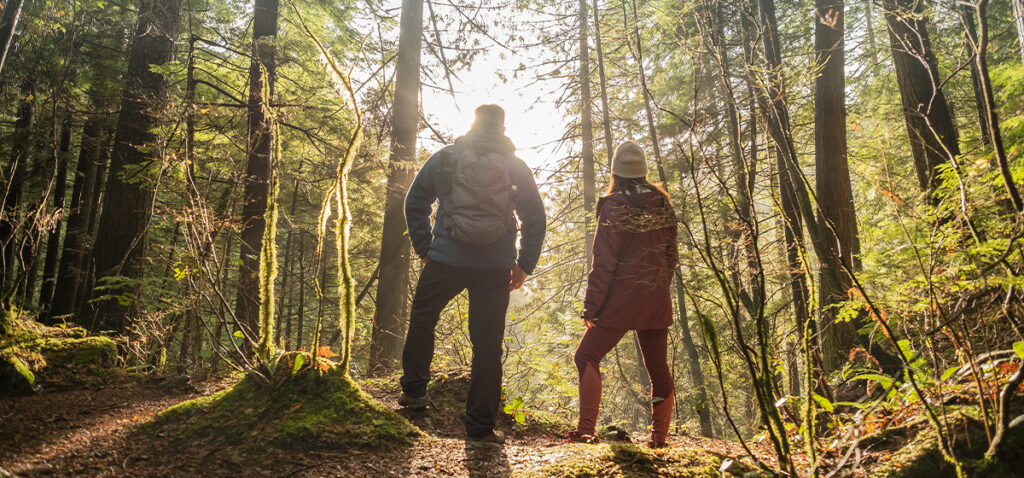
In the forests of the health resorts of the southern and northern Black Forest, exercise, relaxation, and regeneration can be combined: through forest bathing, on health trails, or through conscious breathing in the clear mountain air. The forest helps to prevent illness and promote health. For example, through hiking, cycling, or outdoor activities. Above all, however, it helps prevent stress. Unfortunately, stress is part of everyday life for many people – which makes places where body and mind can find peace all the more valuable. The forest in the southern Black Forest is one such source of relaxation. In Japan, it is called “Shinrin Yoku” – “bathing in the forest air.” It's not about hiking at a fast pace, but about conscious perception: standing still, breathing, listening, letting go. Health resorts that offer forest bathing include Bad Dürrheim, Schluchsee, Lenzkirch/Saig, Schönwald, and Todtmoos. Spending time in the forest can help reduce stress levels and give you new energy. Plants such as spruce trees, ferns, and mosses emit fine fragrances, known as terpenes, which can have a calming effect. Coniferous forests in particular can help to reduce the stress hormone cortisol, while mixed forests can support the cardiovascular system. Those who move with their senses open will experience how movement can slow down and give rise to new strength.


And those seeking relaxation after exercise and fresh mountain air will find it in the region's spas and thermal baths. The health resorts with the designation “mineral/thermal spa” include, for example:

Thermal springs and Mediterranean lifestyle – health meets pleasure

The Markgräflerland region in the southern Black Forest offers a Mediterranean lifestyle. Named after the Margraves of Baden, it delights visitors with its picturesque landscape, culinary diversity, magnificent vineyards, idyllic wine villages, and mild climate. In spring, thousands of cherry trees blossom here, creating a riot of color. In addition to wine and sunshine, the spas offer soothing hot springs. The region is also known for its excellent cuisine, from Michelin-starred restaurants to cozy country inns and wine taverns serving regional wines and specialties. The wines thrive in the hills between the Rhine Valley and the Black Forest. The best way to experience the wine, cuisine, and landscape is to hike the “Markgräfler Wiiwegli” trail, which has several stages between Bad Bellingen and Freiburg. There are also mindful walks with breathing exercises and perception training, bike paths, and hiking trails.

Places with spas in the Markgräflerland region include Badenweiler with the Cassiopeia Therme, where thermal water bubbles up from artesian springs, Bad Bellingen with the Balinea Therme, which offers everything from classic thermal baths and saunas to modern wellness facilities, and Bad Krozingen with the Vita Classica Therme, where bathing and sauna pleasures are at home.

A cultural and urban addition

In addition to nature, sometimes an urban complement is also needed to feel good. In the southern Black Forest and Upper Rhine region, these are the cities of Freiburg and Bad Säckingen. They invite you to stroll through the historic old town, enjoy culture and history, Baden cuisine, and small cafés.

Conclusion

In addition to health resorts and wellness facilities, the southern Black Forest also offers nature for your well-being. Fresh mountain air, sunshine, and forests give you new energy, while hot thermal springs provide warmth and serenity. Between the spring region, the Upper Black Forest, the Upper Rhine, and the Markgräflerland, prevention can become an experience—with beautiful landscapes, clear air, and culinary delights.


Sources:

Schwarzwald-Tourismus:
https://www.schwarzwald-tourismus.info/schwarzwald/regionen

naturgesund-bw:
https://naturgesund-bw.de/heilbaeder-und-kurorte/#/article/1bdb3d42-7699-44a1-976e-d88e5831b328

Cassiopaia Therme:
https://www.schwarzwald-tourismus.info/attraktionen/cassiopeia-therme-thermalbaeder-8b456395ea

Balinea Therme:
https://www.schwarzwald-tourismus.info/attraktionen/balinea-therme-e2125caa92

Vita Clasica-Therme:
https://www.schwarzwald-tourismus.info/attraktionen/vita-classica-therme-bad-krozingen-7e8a63f797

Erhol dich Magazin:
Erhol dich! Das Magazin über Walderholung und mehr
S. 20/21/22/23, S. 28/29, S. 38/39, S. 52/53

Markgräfler Wiiwegli:
https://www.schwarzwald-tourismus.info/touren/markgraefler-wiiwegli-e0f1590f52

Waldbaden:
https://www.schwarzwald-tourismus.info/veranstaltungen/waldbaden-entspannung-pur-warum-uns-wald-heilklima-gesuender-macht-b5541a2ce9
https://www.schwarzwald-tourismus.info/veranstaltungen/waldbaden-fuer-kinder-mit-ihren-eltern-3fc70c5a77
https://www.schwarzwald-tourismus.info/attraktionen/therapiewald-todtmoos-a35530351c

Healing springs and forest climate – the northern Black Forest as a traditional recreation region

The origins of spa culture in the Black Forest lie among rolling hills, dark fir trees, and hot springs. The northern Black Forest is famous for its thermal baths, historic spa hotels, and healing climate, which has attracted people seeking peace and regeneration for centuries. Today, modern spas combine tradition with sustainable health concepts and nature experiences.

Bathing culture in the northern Black Forest:

The history of bathing culture in the northern Black Forest, one of Germany's most traditional spa regions, dates back thousands of years. Even the Celts revered the water and hot springs that still bubble up in the spas and thermal baths today. The Romans used these springs as part of their “ars vivendi” – the art of living. They built magnificent bathing facilities where treatments such as massages, sweat cures, and drinking therapies were offered. After the fall of the Roman Empire, this tradition was temporarily forgotten. In the 18th century, it was rediscovered and numerous new spas and thermal baths were built.

Modern spas continue the centuries-old tradition, no longer as sacred temples or expressions of the art of living, but as contemporary retreats for health, relaxation, and well-being. They combine the bathing culture of bygone times with the present. The spa resorts with thermal baths in the northern Black Forest that preserve and continue this tradition include:

• Waldbronn
• Bad Herrenalb
• Bad Wildbad
• Bad Liebenzell
• Bad Teinach-Zavelstein
• Gaggenau-Bad Rotenfels

Thermal springs and healing properties of the water:

An important part of spa culture is water as a natural remedy. It is the basis of all life – in nature and in humans. Around 67% of the human body consists of water. Only a small proportion of the world's water reserves can be used as fresh water or groundwater, serving not only as drinking water but also as a healing source. Thermal water comes from natural springs with a temperature of at least 20 °C. If it is also rich in minerals, the location is considered a mineral thermal spa. This water is used to promote health and well-being and is an important part of the spa tradition.

One key application of water as a natural remedy is the Kneipp cure, which was developed by Sebastian Kneipp back in the 19th century. It is an integral part of many health resorts and is used to promote general well-being. Thermal baths and health resorts in the northern Black Forest also offer Kneipp cures or have public Kneipp facilities, including the health resorts of Schömberg and Bad Peterstal-Griesbach.

The connection between nature and health extends far beyond thermal baths and healing waters. The air, climate, and forests can also play a crucial role in our regeneration and health.

Health resorts and therapeutic mines:

The healing climate of these health resorts has a therapeutic effect, as it can be particularly beneficial to health. It is free from harmful environmental influences and can have a positive effect on the respiratory tract, skin, and immune system. In these health resorts, pure, low-pollen air and balanced temperatures provide ideal conditions for relaxation and regeneration.

Most of the health resorts in the northern Black Forest offer health programs in spa hotels or thermal baths as well as nature experiences. For example, hikes on the high-altitude climate trails, which can strengthen the immune system and offer the opportunity to experience the beneficial climate firsthand. The health resorts in the northern Black Forest that bear the title “healing climate health resort” include:

• Bad Herrenalb
• Bad Wildbad
• Bad Liebenzell
• Bad Teinach-Zavelstein
• Dobel
• Bad Rippoldsau-Schapbach
• Schömberg
• Bad Peterstal-Griesbach

With its healing properties and fresh air, the forest in the northern Black Forest has become an oasis of calm where many people can find regeneration. These natural forces can be experienced through forest bathing. Health resorts for forest bathing include Bad Rippoldsau-Schapbach with its scenic hiking trails, Waldbronn with a relaxing walk through the spa gardens, Bad Wildbad with its “forest bathroom” on the Sommerberg, and Bad Liebenzell with the Monbach Gorge and the Augenblick hike.

You can also breathe in cool, mineralized air in healing galleries, disused mines, or caves. This special air is regularly renewed by natural processes and can be beneficial for respiratory and lung diseases. Heilstollen therapy, also known as speleotherapy, makes use of the pure climate conditions underground and is a special form of climate therapy that can have a soothing effect on asthmatic and other respiratory diseases. One of these Heilstollen is located in Neubulach in the northern Black Forest, where visitors can enjoy the fresh, mineralized air deep underground.

Conclusion

In the northern Black Forest, in the heart of the Black Forest National Park, history, nature, and health merge into a harmonious whole. Thermal water, clear forest air, and the special climate interact here and allow body and mind to find peace. Perfect for pure relaxation and recharging your batteries.


Sources:

https://www.schwarzwald-tourismus.info/schwarzwald/regionen
https://www.schwarzwald-tourismus.info/erleben/wellness/kurorte
https://naturgesund-bw.de/heilbaeder-und-kurorte/#/article
https://naturgesund-bw.de/heilklimatischer-kurort/
https://naturerholt.de/magazin/wasser-als-heilmittel/
Magazin: Erfrisch dich: S.2/3 S.8, S. 26/27

The Swabian Alb region

Once a tropical sea, today a low mountain range with a wide high plateau and impressive views. The Swabian Alb fascinates with its ancient landscape, shaped by nature, time, and history. Between the Albtrauf, cave art, and healing springs, unspoiled nature, beautiful hiking trails, cultural heritage, and relaxation come together. With seven spas and health resorts, the region invites you to relax, experience nature, and discover places steeped in history. These are Aalen, Beuren, Bad Urach, Bad Ditzenbach, Bad Boll, Bad Überkingen, and Mössingen-Bad Sebastiansweiler.

Nature and remedies

The region offers many opportunities and products for your own health. These include:

Soil, mud, and rock

Mud, moor, clay, or peat, known as peloids, are natural remedies that have been used in balneotherapy for centuries. Formed by geological and biological processes, they are rich in minerals and organic substances and can naturally support health, regeneration, and well-being. Fango is particularly abundant in the Swabian Alb region.

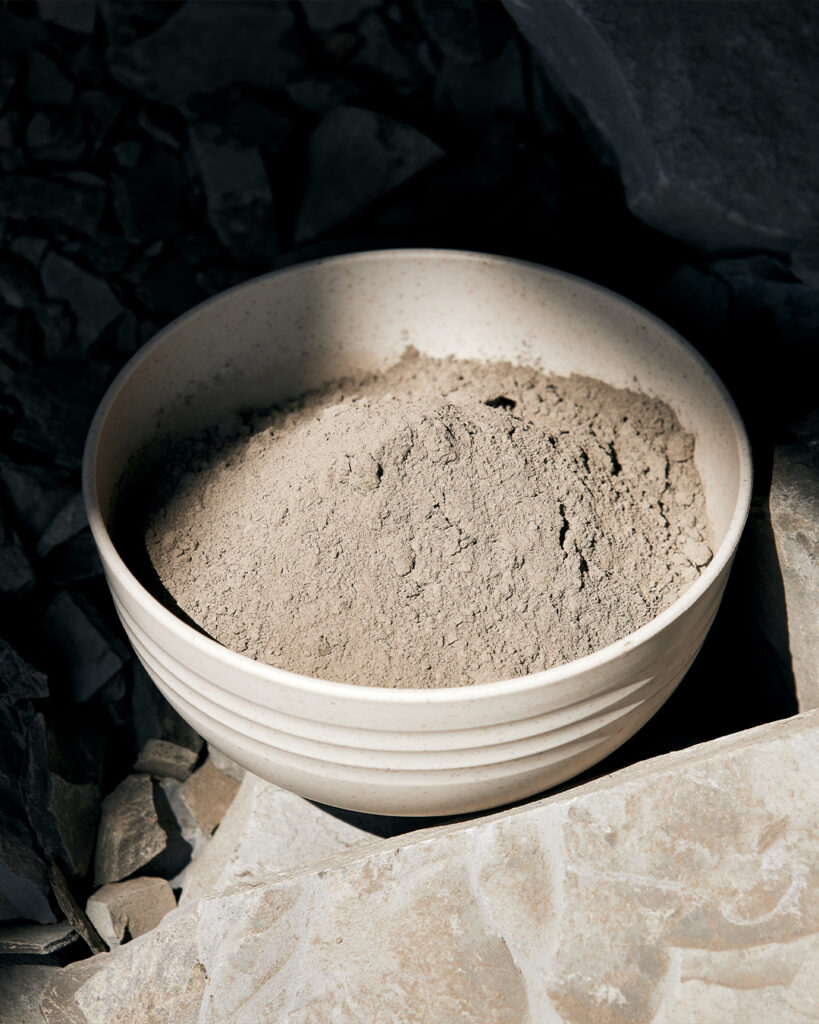
Fango comes from Italian and means “healing mud.” It is a mineral, inorganic healing mud from volcanic deposits. The raw material for fango can be, for example, oil shale from ancient marine rock. This is rich in minerals such as calcium and silicon and in organic deposits containing the active ingredients phosphorus and sulfur. It is used in heat therapy, among other things, as a partial pack, whereby the heated fango packs promote blood circulation, relieve pain, and relax the muscles.

Jurafango remedy

Bad Boller Jurafango, now part of Dr. R. Heberer Heilmittel GmbH, has a long tradition: in 1965, Stuttgart-based physician and naturopath Dr. Reinhard Heberer developed healing compresses from local fango powder. Since then, this natural remedy has been carefully produced in Bad Boll.

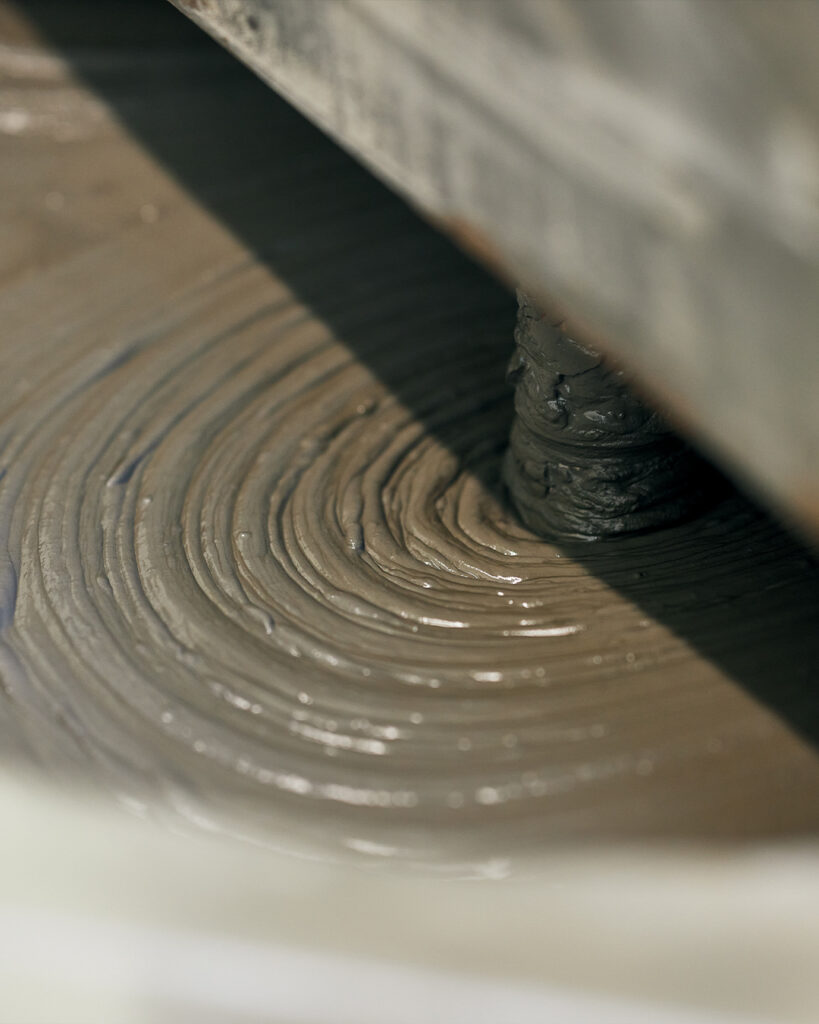
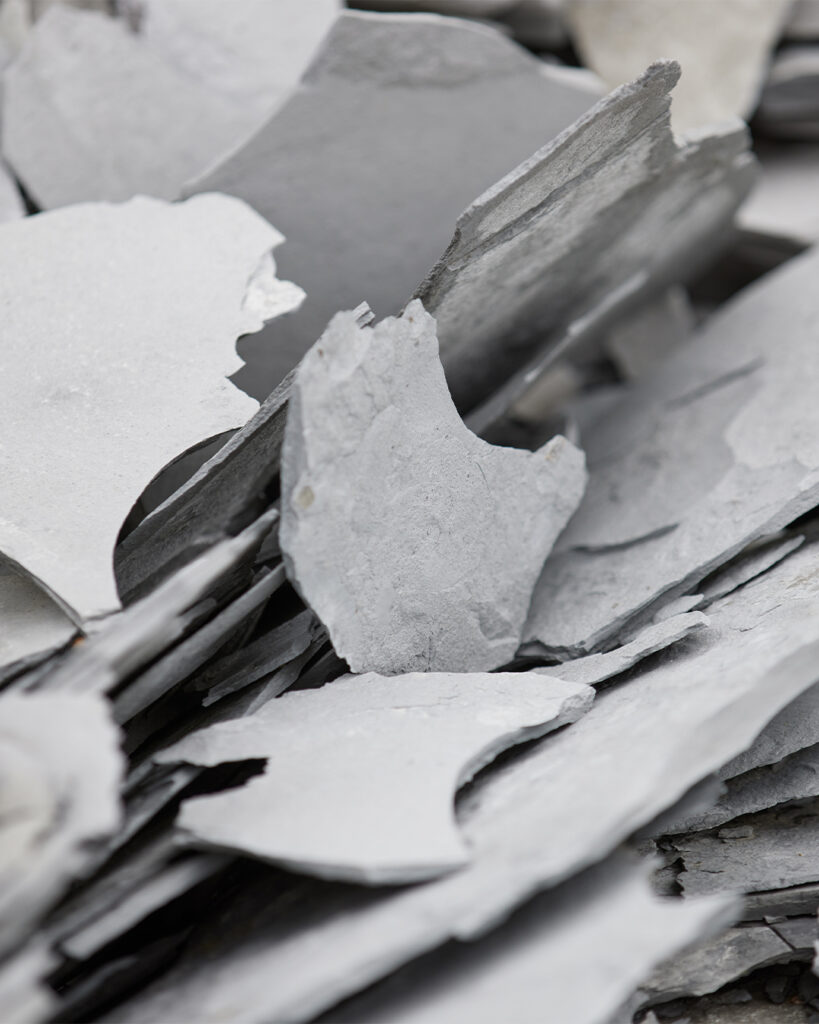
But what exactly is Jurafango? Jurafango is extracted from slate in the company's own quarry belonging to Dr. R. Heberer Heilmittel GmbH, finely ground, and processed into powder. Mixed with hot water, the fango becomes a kind of paste that can be packed in cloths and soft packs and applied warm or cold.

Activities in the region

The region also offers many opportunities for relaxation, as well as for discovering nature and learning about its history.

Deep and hot springs
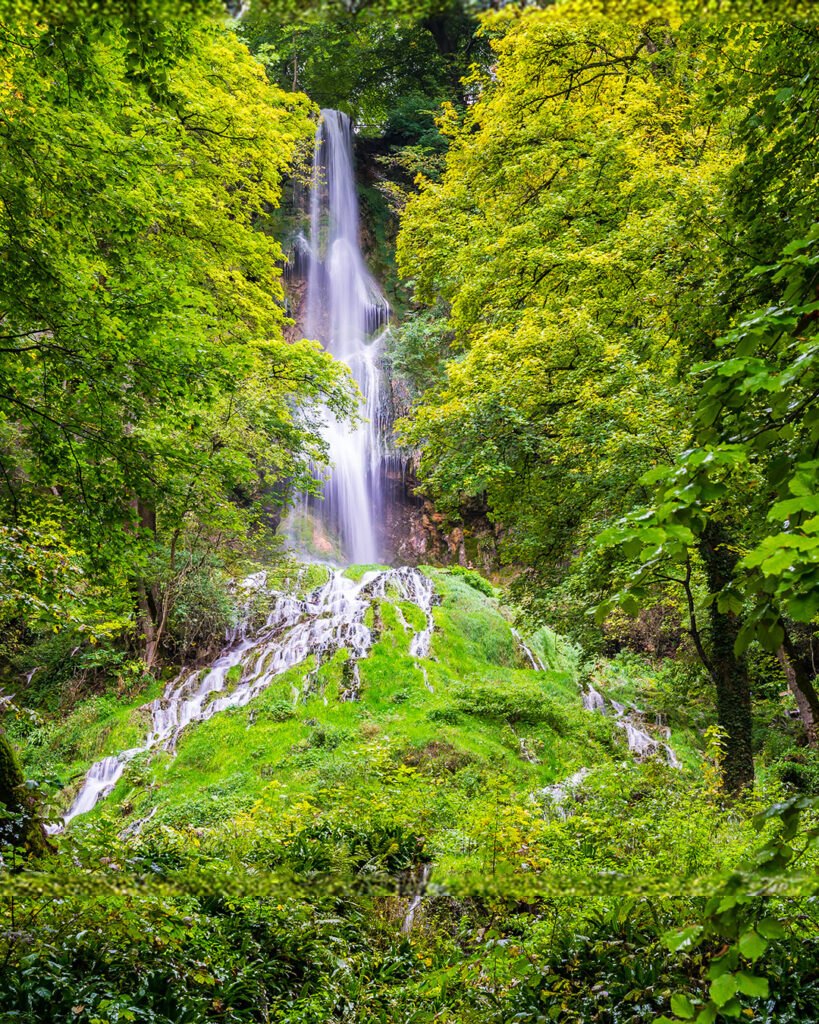
The Swabian Alb is rich in springs and waterfalls. Many of these watercourses originate in underground cave systems, not all of which have been explored. These include the Urach Waterfall, one of the most famous natural highlights of the Swabian Alb and part of the UNESCO Geopark and Biosphere Reserve. The water plunges around 40 meters over the tuff stone edge. An impressive natural spectacle that can be observed from below or from a bridge above the waterfall.

Selection of thermal spas in the Swabian Alb

The AlbThermen in Bad Urach: They combine the charm of the 1970s with modern wellness facilities. Thermal water heated to up to 38°C bubbles up from the depths every day into six indoor and outdoor pools. The sauna area with seven hot air baths, panoramic views, and outdoor area ensures relaxation. A restaurant, massages, and a wide range of treatments make for the perfect relaxation experience.

The Panorama Therme Beuren:
In the 1,000 m² pool area, seven thermal pools and one cold water pool, a steam bath, a thermal grotto, and a spacious sauna area invite you to relax.

Vinzenz Therme in Bad Ditzenbach:
The thermal mineral water at Vinzenz Therme in Bad Ditzenbach comes from the Canisius spring and is particularly rich in natural carbon dioxide. Its temperate warmth promotes blood circulation and oxygen supply and promotes relaxation. The modern facility with bathing and sauna areas as well as relaxation rooms invites you to unwind.

Mineral Spa in Bad Boll:
A special water experience that can enhance both physical and mental well-being. In addition to the soothing warmth of the indoor pools, there is a cozy sauna lounge and various therapy groups during the day. A highlight for relaxation is the outdoor pool with a view of the Swabian Alps.

Healing tunnel - Relaxing tranquility underground

In the healing tunnel of Aalen, visitors can expect a unique combination of tranquility, soothing air, and a unique microclimate. Constant temperatures of 6-8°C and almost 100% humidity ensure particularly pure air that is enriched with valuable minerals. A stay in the tunnel can strengthen the immune system, alleviate respiratory diseases, and bring body and mind into harmony. 

Hiking trails

The Swabian Alb is a paradise for hiking enthusiasts: over 90 premium and quality trails certified by the German Hiking Association or the German Hiking Institute guarantee the highest quality experience. At the striking Albtrauf escarpment, spectacular viewing rocks offer views as far as the Black Forest and the Alps. In between lie sunny juniper heaths, blossoming orchards, turquoise spring pools, and mysterious caves. Whether you're looking for a short circular tour or an extended day hike, you can discover natural and cultural highlights alike on well-signposted trails close to nature. All tours are listed on albwandern.de, allowing you to choose your own personal favorite. Two of these hiking routes in the region are:

Bad Überkingen:
Here you go high up on the Löwenpfad "Felsenrunde" trail. On this scenic circular route, there is diverse nature and many highlights. The starting point is below the Hausener Wall. From there, the path leads over a steep serpentine trail through beech forest to the Alb plateau. At Jungfraufelsen and Hausener Eck, spectacular views of the Fils Valley open up. After reaching the highest point of the tour (751 m), the trail continues through Oberböhringen, past the shelter at Dreimännersitz and the Schillertempel, through orchards and juniper heaths, back to Bad Überkingen. Those seeking relaxation and rejuvenation after the hike can recharge at the thermal baths in Bad Überkingen.

Mössingen – Bad Sebastiansweiler:
In Mössingen, there are excellent opportunities for hiking or walking. Four certified premium hiking trails, the Dreifürstenstieg, the Firstwaldrunde, the Leisawegle, and the Streuobstwegle. In addition, there is the Wir-Mössinger-Rundweg, which was created on the occasion of the city's 50th anniversary in 2024. It connects all the districts with each other, strengthens the sense of community within the city, and at the same time makes the diverse special features of the individual districts tangible.

Conclusion

The Swabian Alb combines impressive nature, thousands of years of history, and a wide range of health services. Whether hiking along the Albtrauf, relaxing in thermal baths and healing caves, or exploring geological treasures, the region offers ideal conditions for relaxation, activity, and cultural discoveries.


References

Entspann dich Magazin:  https://www.yumpu.com/de/document/read/69092890/magazin-entspann-dich

natur.gesund:  https://naturgesund-bw.de/heilbaeder-und-kurorte/#/article

Schwäbische Alb: https://www.schwaebischealb.de/

Bad Urach: https://www.badurach-tourismus.de/

Alb Thermen: https://www.badurach-tourismus.de/attraktion/albthermen-bad-urach-340611c2c0

Uracher Wasserfall: https://www.schwaebischealb.de/staedte-orte#/article/1b853b65-76aa-4f1e-ab57-6078712b13ad

Therme Beuren: https://www.panorama-therme.de/therme-sauna/herzlich-willkommen/

Vinzenz Therme Bad Ditzenbach: https://www.vinzenztherme.de/vinzenz-therme/

MineralTherme Bad Boll: https://rehaklinik-bad-boll.de/therapie-erholung/mineraltherme/#section1

Bad Überkingen Löwenpfad: https://www.tourenplaner.lkgp.de/de/tour/wanderung/loewenpfad-felsenrunde-loewenstarke-aussichten-ueber-dem-filstal/4642317/?utm_medium=referral&utm_source=embed&utm_campaign=embed-plugin-referral&utm_term=https%3A%2F%2Fwww.bad-ueberkingen.de%2F

Mössingen Bad Sebastiansweiler:
https://www.moessingen.de/Genusswandern
https://www.moessingen.de/Wandern#/article
https://www.moessingen.de/Wandern#/article/f2d7e78a-8d31-11ee-b275-00163e2945d0

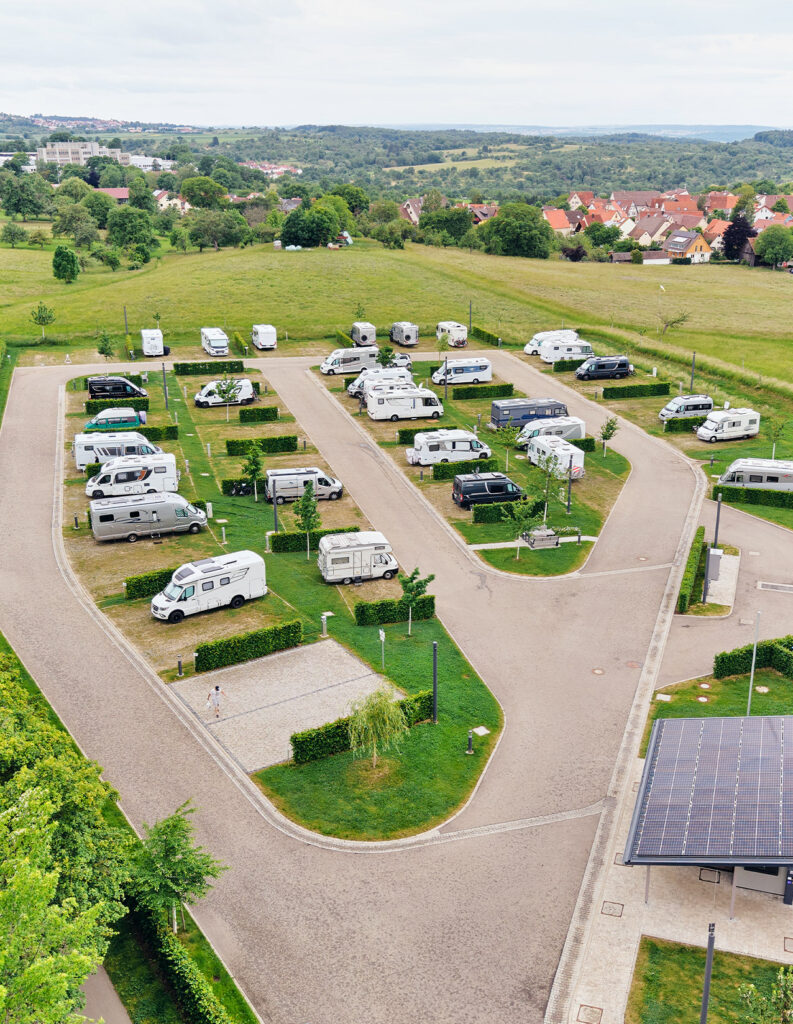
The thermal baths close by for sleeping – Discover the 24 “My Thermal Baths motorhome parking spaces” locations in the spas and health resorts of Baden-Württemberg.

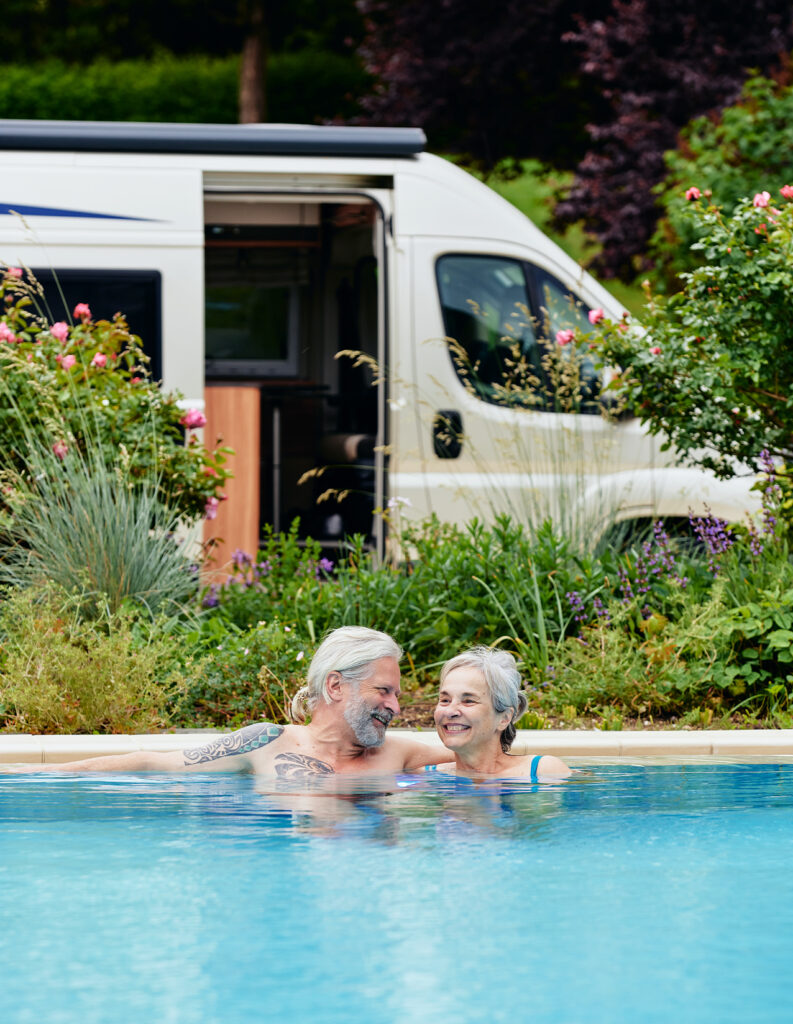
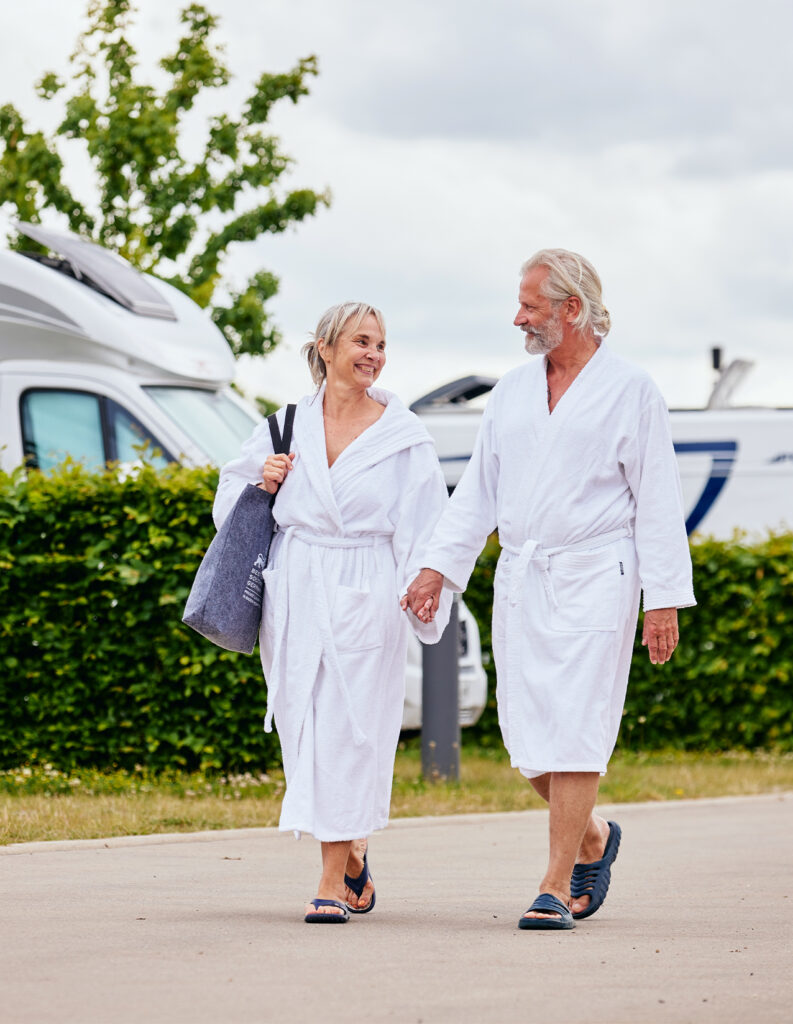
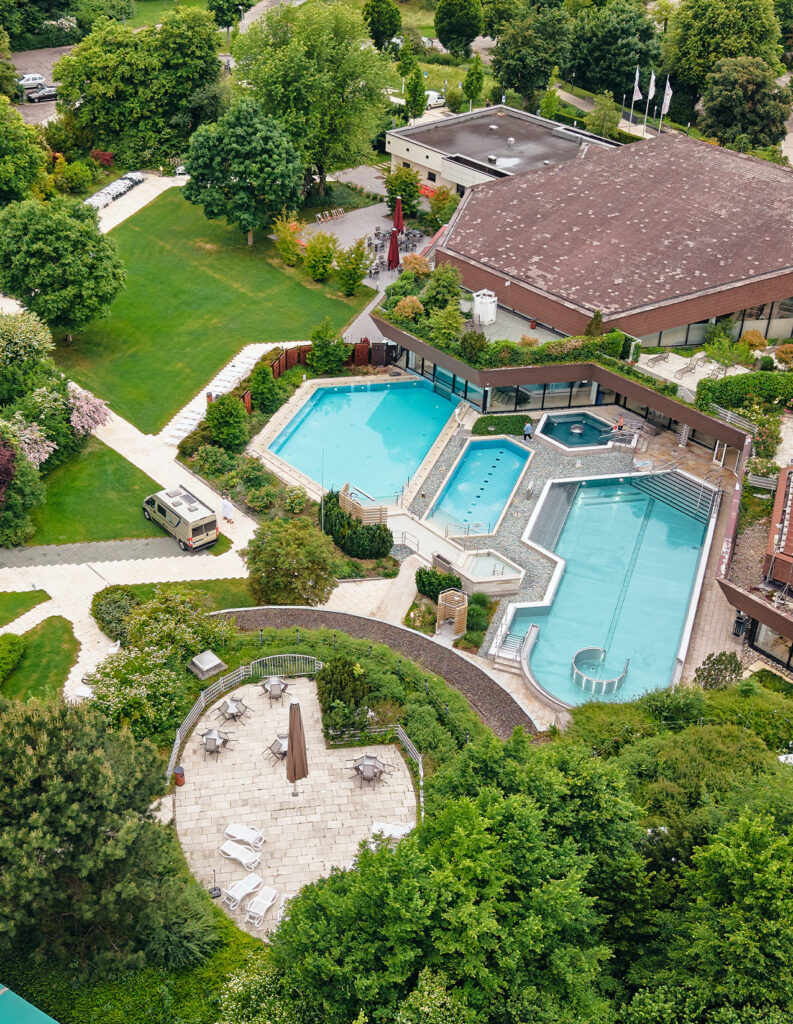
Fancy taking a break from everyday life in your own motorhome? Baden-Württemberg is known for its diverse thermal baths and wellness facilities. Numerous mineral, thermal, and saltwater baths offer perfect opportunities for relaxation. The best part: 24 of the thermal baths in Baden-Württemberg's spas and health resorts have motorhome parking spaces in the immediate vicinity, known as “Mein-Thermen-Stellplätze” (My Thermal Bath Parking Spaces). This means that a relaxing day doesn't end with evening traffic jams, but comfortably with your own place to sleep just a few steps away.

Overview of the “My Thermal Bath Parking Spaces”

The “Mein-Thermen-Stellplatz” (My Thermal Spa Parking Space) offer in Baden-Württemberg's spas and health resorts lists 24 thermal spas and motorhome parking spaces. The parking spaces are within easy reach of bathing and wellness facilities and are often surrounded by beautiful nature, ideal for hiking, cycling, or walking. Many of the spas and health resorts also attract visitors with cultural and culinary highlights, from regional specialties in cozy restaurants to charming town centers. Shopping facilities are often within easy walking distance. The parking spaces thus combine relaxation, activity, enjoyment, and comfortable overnight stays in your own motorhome.

Everything at a glance

On the website “My thermal spa parking space", all locations – from the Swabian Alb to the Black Forest to the Markgräflerland – are clearly listed. Click on the desired parking space to see details such as:

Under the menu item “Thermal Baths,” you will find an overview of all baths and thermal baths in the spas and health resorts, with adjacent parking spaces, including information on opening hours, restaurants in the thermal baths, sauna and wellness offers, and current occupancy rates.

Click on “Map” to access an interactive overview map. This makes planning easier and shows all parking spaces with direct access to thermal baths. Click on the individual locations to go directly to information about the thermal baths and parking spaces.

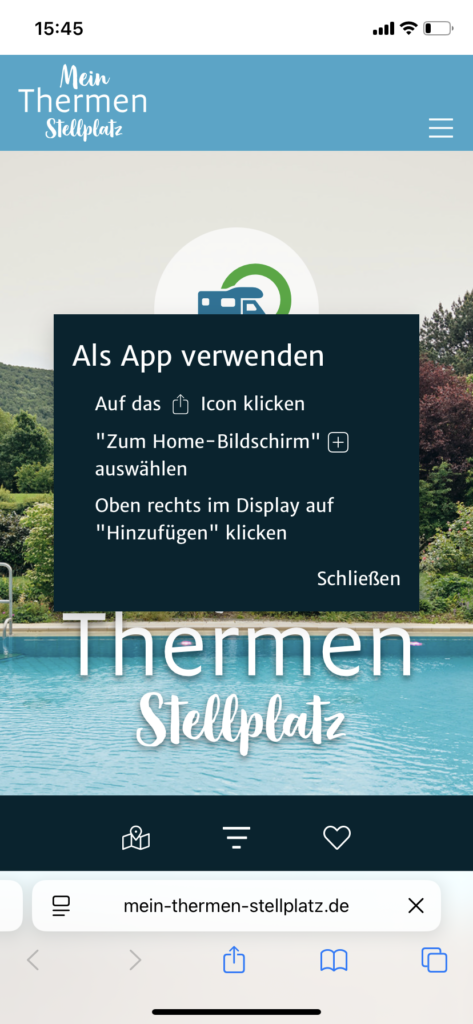
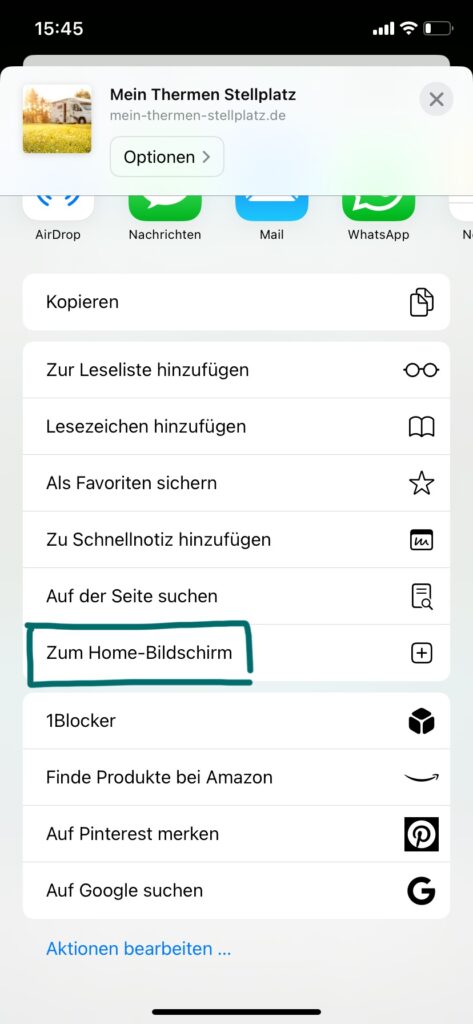
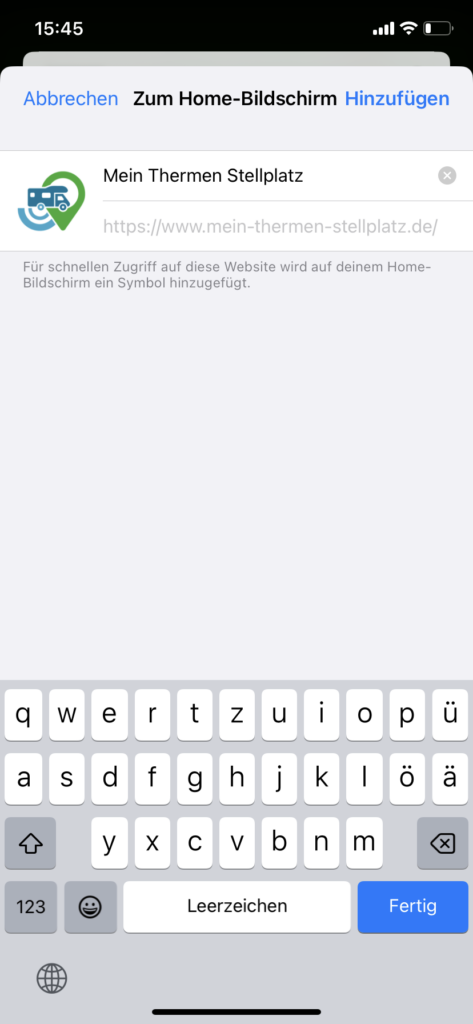
The website can also be used on a smartphone like an app. Simply open the website on your smartphone, follow the brief instructions on the home page, and save it directly to your home screen. You will then have quick access to all information about the thermal spa parking spaces, the thermal spas, and tourist attractions in the vicinity at any time.

Other special features and offers:

Many of the Mein-Thermen parking spaces also offer special advantages and exclusive offers such as:

Pitches that can be reserved in advance

Some of the parking spaces can be reserved in advance. This means you can arrive relaxed, park your motorhome, and treat yourself to some time out at the thermal baths.

Here you can find the parking spaces that can be reserved in advance.

Suitable for heavy ships

There are special parking spaces for larger vehicles, allowing you to enjoy your break with even more comfort and convenience. 

Further information about parking spaces for large vehicles can be found here!

Parking spaces with paved surfaces

Some of the parking spaces have a paved surface, providing perfect traction even in bad weather. But don't worry: even the other spaces without a paved surface are safe and comfortable to stay overnight, even when it rains.

More information is available here!

Exclusive offers 

Some individual parking spaces offer special deals in cooperation with the respective thermal baths, such as discounted admission to the thermal baths, vouchers for motorhome parking guests, or discounts with discount cards.

Current occupancy of parking spaces

As part of a pilot project, the current occupancy of the parking space in Bad Mergentheim is currently displayed in real time. This means that you can see at any time whether the parking space still has free spaces, which makes travel planning easier. In the future, this feature could help you plan your trips even more precisely and find the right parking space for the thermal baths.

Conclusion

The “Mein-Thermen-Stellplätze” (my spa parking spaces) in the spas and health resorts of Baden-Württemberg offer the perfect combination of relaxation and mobility. Motorhome owners can enjoy their stay in a flexible and relaxed manner – from the Balinea Therme in Bad Bellingen to the Solemar Therme in Bad Dürrheim. Ideal for a break or a relaxing short vacation.

Here is an overview of the parking spaces and the corresponding thermal baths.


References

https://www.mein-thermen-stellplatz.de/

Bad Säckingen – Highlights for families and children 

The trumpet town of Bad Säckingen has a lot to offer families and children. Whether it's puzzle fun, town history, or real adventures for little explorers. Find out here what exciting highlights there are to discover in Bad Säckingen and what else you can experience besides puzzle fun, swimming, and climbing: 

Highlights for young and old alike

In Bad Säckingen, explorers of all ages will find something to suit their tastes. With exciting rallies through the old town, Schönau Castle, and around the mountain lake:

Children's city rally with Hiddigeigei the cat:
Join the famous cat Hiddigeigei on this exciting treasure hunt through the old town. Solve puzzles and find clues among the old alleys and historic buildings. A small reward awaits all successful sleuths at the end!

Note: The rally documents are available at the tourist information office or in the information telephone booths in front of the tourist information office and on Spitalplatz.

Castle rally with Margareta and Hiddigeigei the cat:
The castle rally at Schönau Castle is just the thing for curious explorers. The rally takes you through five floors full of history with archaeological finds and trumpets up to 400 years old. As you search through Schönau Castle, Kater Hiddigeigei and Princess Margaretha help you solve tricky questions. If you answer everything correctly, you can even open the treasure chest at the end!

Note: Suitable for children aged 8 and above. Children up to the age of 16 are admitted free of charge. The offer is included in the admission price and can be used independently.  

The WOODEN RALLY at the mountain lake:
A special highlight is the WOODEN RALLY. A lovingly designed series of five wooden ball tracks that stretch from the idyllic mountain lake down to the wildlife enclosure. This is a playful and nature-oriented way to explore the surroundings. Definitely an experience for young and old alike!

But that's not all: a trip to the Holzrallye is worthwhile for several reasons: at the mountain lake, there is a pedal boat rental and a climbing park, and in the adjacent wildlife enclosure, you can observe and even feed deer, roe deer, and wild boars. Directly below, a barefoot path invites you to feel, marvel, and slow down.

Note: The appropriate wooden balls are available from the vending machine at the Bergsee car park or from the Bad Säckingen Tourist Information Office (Waldshuter Straße 20).

© Tourismus- und Kulturamt Bad Säckingen

Other exciting activities:

Bad Säckingen Wildlife Park:
Animal lovers can observe and feed native wildlife such as wild boars, red deer, sika deer, and fallow deer near the idyllic mountain lake. The feed, dried corn, can be purchased from vending machines.

Adventure Golf:
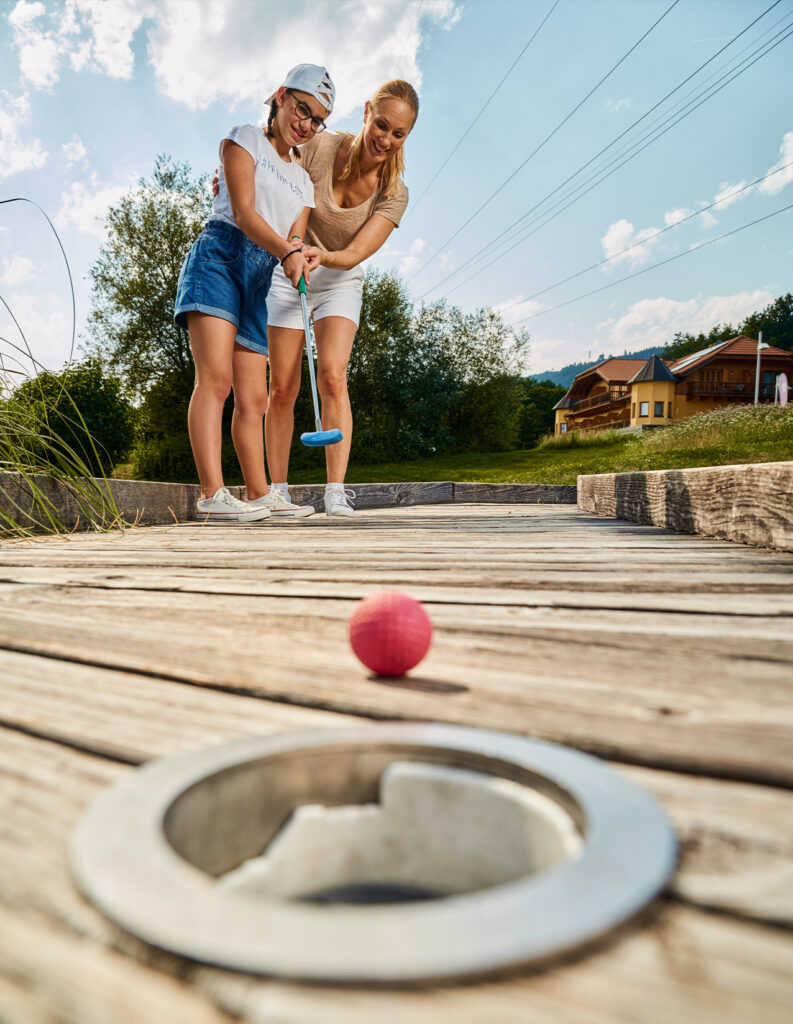
Another activity is Adventure Golf. This originated in the US and is a further development of traditional mini golf. Real mini golf adventures await you on 18 extraordinary courses.

Disc Golf: Disc Golf can be played at Badmattenpark: a Frisbee sport in which the objective is to throw the disc into the target baskets with as few throws as possible. Use is free of charge and available around the clock. Frisbees can be brought along or purchased for €8.50 at the Tourist Information Office.

Playgrounds:
Those who prefer classic playtime fun can visit one of the beautiful playgrounds in Bad Säckingen. These include, for example, the playground in Badmatten Park or in Bremhag.

Climbing forest by the mountain lake:
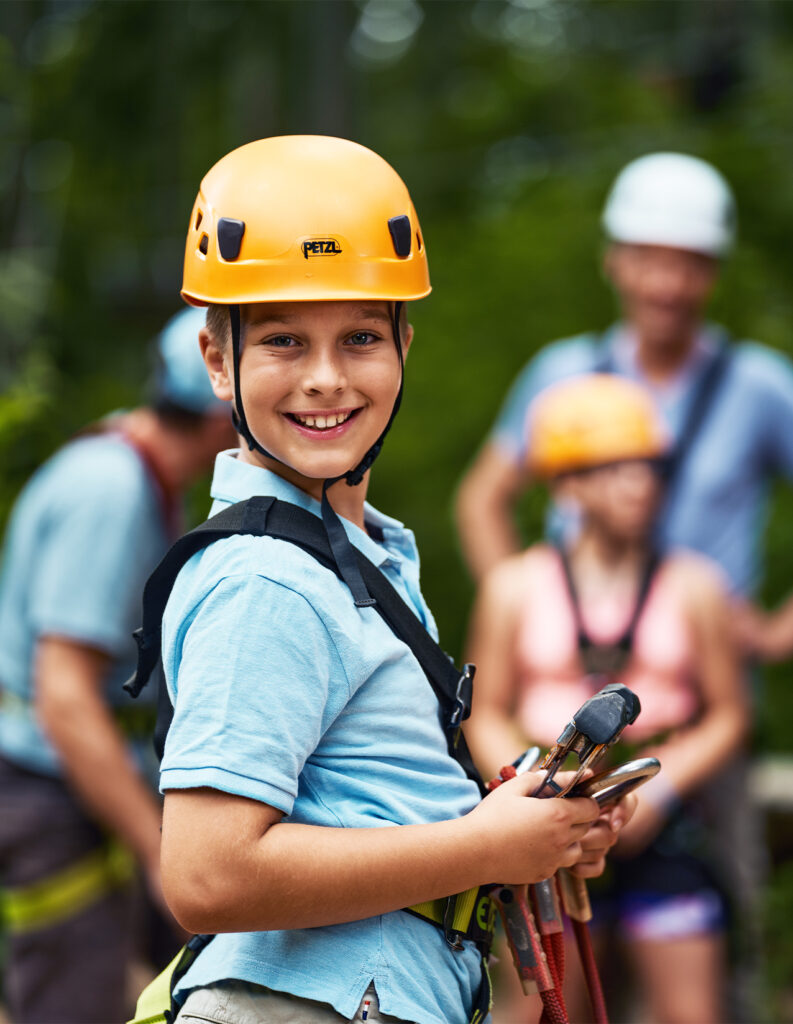
Those who want to reach new heights will find what they are looking for in the climbing forest by the mountain lake. There is plenty of fun and adventure at lofty heights for the whole family here.

Pedal boat rental:
Another highlight is the pedal boat rental at the mountain lake. There, you can float on the water and enjoy the idyllic atmosphere.

Boat tour on the Rhine:
Aboard the “Trompeter von Säckingen,” you can explore the beautiful natural landscape around Bad Säckingen on a boat tour.

Conclusion

Whether it's an exciting rally, a trip into nature, or mini golf, Bad Säckingen offers ideal experiences for the whole family. It's well worth a visit and invites you to go on a discovery tour together!


References

www.badsaeckingen.de/familienerlebnisse

Oases of well-being – spa gardens in Baden-Württemberg

What would a spa town be without its spa gardens? Only half as beautiful. Spa gardens have been around for centuries—they are oases of calm and an integral part of health culture. Here, scenic beauty meets therapeutic effects: whether walking, doing breathing exercises outdoors, or simply pausing on a park bench, spa gardens offer pure relaxation and actively promote well-being. But what makes a spa garden special? And where in Baden-Württemberg can you find particularly beautiful examples? 

What is a spa park?

No spa town without a spa park – The first spa parks were created as early as the 17th century, developing into a distinct type of settlement in Europe and becoming a central feature of many spa towns. But what makes a spa park? Spa parks were more than just beautifully designed parks; they played a crucial role in traditional European spa culture. They combined therapeutic treatments with exercise, healthy air, and social events. To this day, they combine health, nature, and culture in a very special way and invite visitors to relax and unwind. 

Requirements for a spa park

The spa gardens and parks in Europe are as numerous and diverse as the spas themselves. In March 2015, an international symposium in Baden-Baden took an in-depth look at the design, functional, and historical qualities of these facilities. 

Many spa gardens feature elements such as avenues lined with trees, bandstands, artistically planted flower beds, and spacious promenades. They are closely intertwined with the urban environment and the surrounding cultural landscape. The question of how to deal with this cultural heritage plays an important role, not least in the context of the UNESCO initiative “Great Spas of Europe” – because a spa park is always a living monument. 

5 beautiful spa gardens in Baden-Württemberg

Überlingen on Lake Constance

The Badpark in Überlingen was once the garden of a Capuchin monastery and has been officially designated a spa park since 1953. Today, it invites visitors to relax with its impressive, listed trees, stylish benches by the lake, and picturesque promenade. An annual highlight is the Promenade Festival in the spa park and on the promenade directly by the lake.

Baden-Baden

The spa gardens are located directly in front of the spa house and are a green oasis in the heart of the city. The flower beds are particularly special, planted in changing shades of color to match the season. The park is also an international meeting place for the city and a venue for a wide range of events.

Bad Mergentheim

The spa gardens in Bad Mergentheim are a true oasis of peace and relaxation. Here, idyllic nature meets health expertise: 200-year-old healing springs, a graduation tower for respiratory therapy, and fitness activities in the outer spa gardens provide relaxation on many levels. Cultural events such as spa concerts and the spa gardens festival also take place here.

Bad Liebenzell

The idyllic spa gardens in the heart of the city offer moments of relaxation with their 300-year-old avenue of lime trees directly on the banks of the Nagold, the spa gardens lake, and numerous romantic nooks and crannies. A special highlight is the pump room with spring water from the famous Paracelsus spring. During events such as the Festival of Lights, atmospheric light installations transform the park into a colorful sea of colors.

Bad Boll

The spa gardens in Bad Boll delight visitors with their impressive 19th-century trees and a lovingly restored Biedermeier-style promenade hall. The grounds invite you to stroll, linger, and enjoy yourself—whether on winding paths or along the rose-adorned promenade hall.

Bad Schönborn

The Sole-Aktiv-Park is a green oasis that combines relaxation with active experiences. Exciting discoveries await you on the Sole-Erlebnisweg (Sole Experience Trail), while barefoot and exercise trails, Kneipp pools, and the Green Fitness Trail invite you to get active. In the sensory gardens, visitors can listen to sounds and smell and taste the scents and aromas of herbs and fruits. For children, there is a sand playground by the stream, and the beer garden, open from May to October, offers refreshing drinks and delicious food.

Conclusion

Baden-Württemberg offers many beautiful spa gardens, far more than are listed here. They are all definitely worth a visit and offer relaxation for body and soul. 


References

https://www.denkmalpflege-bw.de/fileadmin/media/denkmalpflege-bw/publikationen_und_service/03_reihen/bau-und-kunst/arbeitshefte/AH39_Klappentext.pdf

https://www.echt-bodensee.de/attraktion/badgarten-ueberlingen-18ce3e2f6e

https://kurhaus-badenbaden.de/de/kurgarten

https://visit.bad-mergentheim.de/de/gesundheit-erholung/entspannung-sport-spiel

https://visit.bad-mergentheim.de/de/gesundheit-erholung/kurpark-kuranlagen

https://www.tourismus-bad-liebenzell.de/wp-content/uploads/2024/01/Kurpark-Flyer-2024-1.pdf

https://www.schwaebischealb.de/attraktionen/kurpark-bad-boll#/article/eb9e8429-4ef2-48b5-94ed-172080a4bd89

https://www.tourenplaner.lkgp.de/de/poi/freizeitaktivitaet/kurpark-bad-boll/66675166

https://www.bad-boll.de/kurpark-und-wandelhalle

https://www.bad-schoenborn.de/sole-aktiv-park

en_USEN