Herzklopfen & Heilkraft: Heiraten in den Heilbädern und Kurorten Baden-Württembergs

Wo Heilquellen sprudeln, Moorlandschaften das Bild prägen und grüne Oasen zum Verweilen einladen, erhalten besondere Tage einen einzigartigen Rahmen. In Baden-Württembergs Heilbädern und Kurorten finden Paare Trauorte, die untrennbar mit den natürlichen Heilmitteln des jeweiligen Ortes verbunden sind. Ob das Ja-Wort tief unter Tage, in historischen Gebäuden der Bäderarchitektur, direkt am Wasser oder inmitten der Natur der Kurparks gegeben wird – diese Locations spiegeln die Identität sowie die Gesundheitskultur ihrer Umgebung wider und machen das Eheversprechen zu einem ganzheitlich besonderen Erlebnis.

Ja sagen zwischen Badekultur und Geschichte

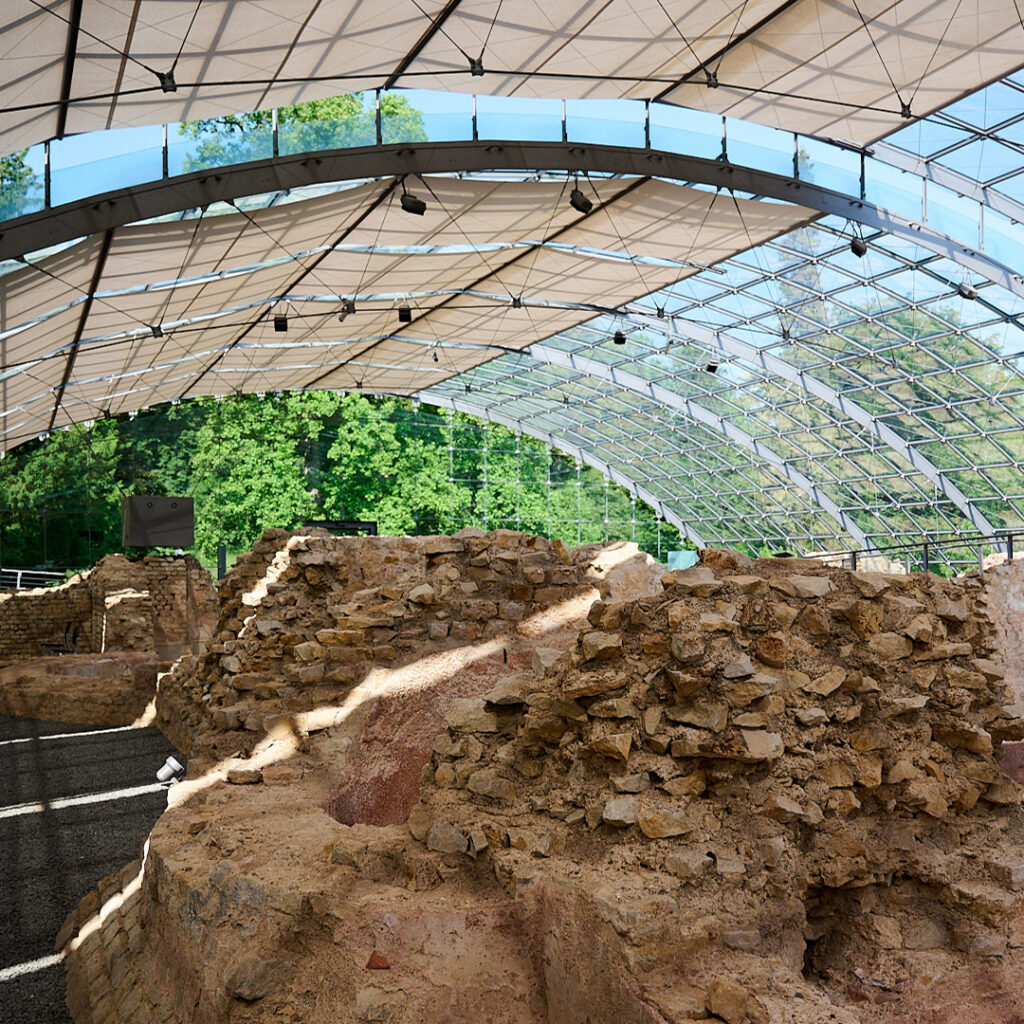
Besonders eindrucksvoll zeigt sich diese Verbindung dort, wo historische Orte selbst Teil der Kurgeschichte sind. In Badenweiler heiraten Paare in der römischen Badruine – einem Ort, an dem die Geschichte des Kurortes bis heute sichtbar bleibt und an dem eine antike Inschrift, „Si me amas – wenn du mich liebst“, von früheren Liebesgeschichten erzählt. 

In Baden-Baden führt der Weg zur Trauung in eine der großen Bühnen europäischer Kurkultur: das Kurhaus mit dem weltberühmten Casino. Der von der Villa Trianon in Versailles inspirierte Salon Pompadour verbindet prächtige Ausstattung mit jener Eleganz, die Baden-Baden als traditionsreichen Kurort geprägt hat. 

Diese Verbindung von Badetradition, Kurarchitektur und Parklandschaft führt Bad Wildbad auf eigene Weise weiter. Im Forum König-Karls-Bad, einem der eindrucksvollsten ehemaligen Badegebäude Baden-Württembergs, bietet der Kuppelsaal einen festlichen Rahmen für Trauungen. Das stilvolle historische Ambiente und das malerische Treppenhaus sind die perfekte Kulisse für Hochzeitsfotos. 

Hochzeit im Stollen, am Moor und nah am Wasser

Nicht nur glanzvolle Festsäle machen sichtbar, wie eng Hochzeiten in Heilbädern und Kurorten mit natürlichen Heilmitteln und der Identität des jeweiligen Ortes verbunden sein können. Auch dort, wo Heilwirkung und besondere Atmosphäre den Rahmen setzen, haben Paare eine reizvolle Möglichkeit, den Bund fürs Leben zu schließen. Ein außergewöhnliches Beispiel dafür ist das Besucherbergwerk Tiefer Stollen in Aalen-Wasseralfingen. Das ehemalige Eisenerzbergwerk ist zugleich ein anerkannter Heilstollen, dessen besonderes Mikroklima Ruhe schenkt und den Moment intensiv spürbar macht. Mit der historischen Grubenbahn geht es gemeinsam mit den Gästen 400 Meter tief in den Braunenberg hinein, wo im Herzen des Berges eine eigens für den großen Tag gestaltete Sandsteinhalle wartet. Hier wird jede Trauung zu einem magischen Ereignis, das Brautpaar und Gäste noch lange in Erinnerung behalten.
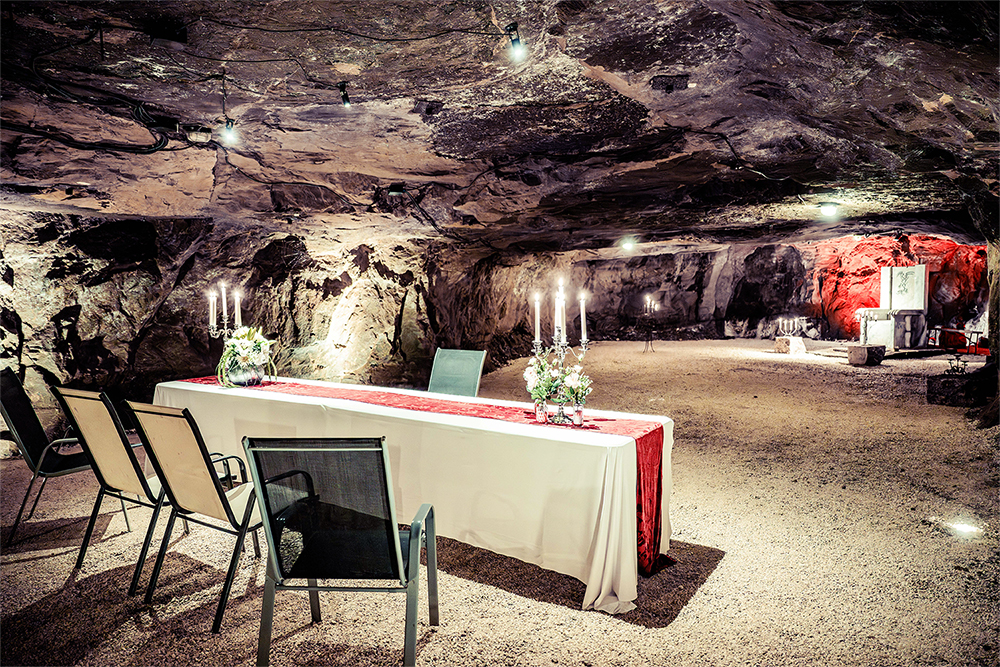
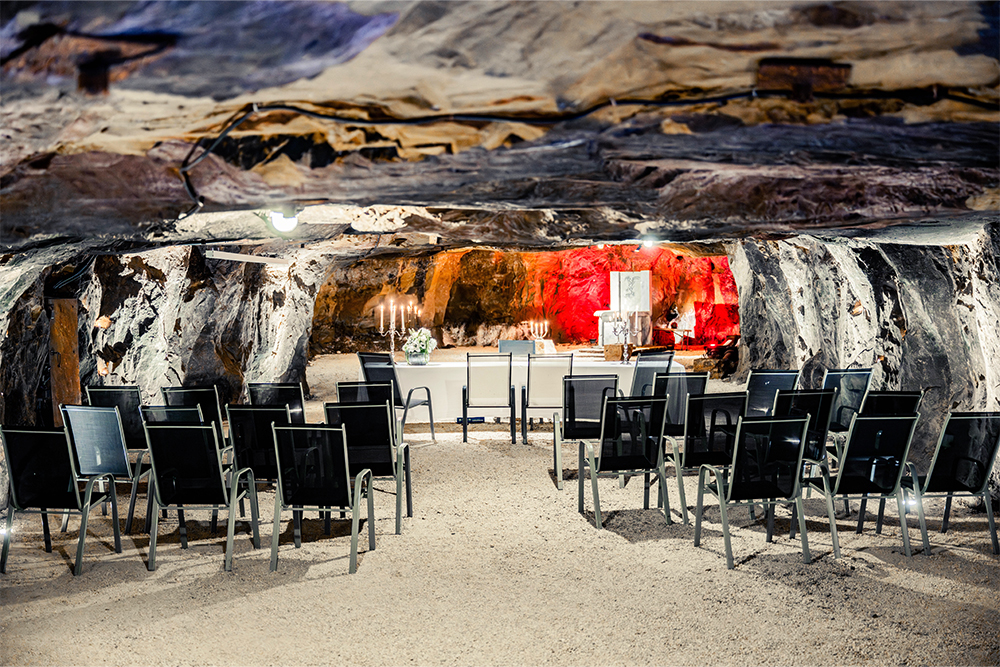
© Stadt Aalen – Tobias Holzinger

Dass Hochzeitsorte eng mit einem natürlichen Heilmittel verknüpft sein können, zeigt sich auch in Bad Wurzach. Maria Rosengarten, das ehemalige Kloster, gilt als Wiege des Moorbadens und ist der historische Ursprung des Heilbades. Für kleinere Gesellschaften steht dort ein separates Trauzimmer zur Verfügung. Weitere Top-Adressen sind der Kursaal am Kurpark und das feelMOOR Gesundresort. Besonders praktisch: Hochzeitsgäste können hier direkt übernachten. 

Auch in Bad Buchau prägt das Moor die Atmosphäre des Kurortes. Das Federseegebiet bildet mit Wasser und weiten Schilflandschaften keinen bloßen Hintergrund, sondern gehört zum landschaftlichen Kern des Ortes. Paare können sich im Goldenen Saal der Federseeklinik oder im Spiegelsaal der Schlossklinik das Ja-Wort geben. Der eine setzt mit Stuckdecken, Kristall-Leuchten und Goldapplikationen auf festliche Pracht, der andere auf helle Weite und den besonderen Effekt geschickt angeordneter Spiegel.

Kurorte mit Profil und Geschichte

Bad Mergentheim gilt als eines der traditionsreichsten Heilbäder der Region. Die Entdeckung mehrerer Heilquellen im 19. Jahrhundert legte den Grundstein für den Aufstieg zum anerkannten Kurort. Bis heute prägt die Solequelle „Paulsquelle“ das Gesundheitsangebot der Stadt. Sie speist die Solebecken der Solymar Therme Bad Mergentheim und reichert zugleich die Luft im Gradierpavillon im Kurpark mit feinen Salzaerosolen an. Der weitläufige Kurpark mit alten Baumbeständen, Trinkstellen und ruhigen Wegen verbindet Bewegung, Atemtherapie und Erholung. Die historische Altstadt und das Taubertal schaffen einen Rahmen, in dem Kuraufenthalte und Naturerlebnisse wie selbstverständlich ineinandergreifen.

Bad Wimpfen verbindet seine Rolle als Soleheilbad mit einer außergewöhnlichen historischen Kulisse. Hoch über dem Neckar gelegen, erzählt die Stadt von staufischer Geschichte, früher Salzgewinnung und einer langen Badetradition. Das Solebad Bad Wimpfen knüpft daran an und nutzt die natürliche Sole für Bade- und Inhalationsangebote. Die warmen Innen- und Außenbecken öffnen den Blick auf die umliegende Landschaft – ergänzt durch ruhige Saunabereiche. So entsteht ein Ort, an dem Geschichte und Erholung spürbar zusammenfinden.

Bad Rappenau ist eng mit der Salzgewinnung verbunden. Aus ehemaligen Salzlagerstätten entwickelten sich Heilquellen, die den Ort zum Soleheilbad machten. Heute prägen großzügige Parkanlagen, ein historisches Wasserschloss und moderne Badeangebote das Bild der Stadt. In der RappSoDie, dem Bade- und Saunaparadies, wird aktuell das Sole‑Hallenbad im Zuge einer umfassenden Modernisierungsmaßnahme durch einen modernen Neubau ersetzt, während das beliebte Saunaparadies weitgehend erhalten und zugänglich bleibt; die Wiedereröffnung ist für Herbst 2027 geplant. Neben dem Wasser‑ und Wellnesserlebnis unterstreichen Spazierwege, Grünanlagen und ruhige Rückzugsorte den klassischen Kurcharakter des Ortes.

Bad Schönborn liegt im Kraichgau und verbindet gleich mehrere Gesundheitskonzepte. Als Soleheilbad, Heilquellenkurbetrieb und Kneipp-Ort setzt die Gemeinde auf ein ganzheitliches Verständnis von Wohlbefinden. Die Thermal- und Solebecken des Thermariums Bad Schönborn werden aus natürlichen Thermalsolequellen gespeist, die aus großer Tiefe an die Oberfläche treten. Kneipp-Anwendungen, Bewegungsangebote und naturnahe Parkanlagen runden den Aufenthalt ab. Das Zusammenspiel von Wasser, Bewegung und Landschaft prägt den ruhigen, ausgleichenden Charakter des Ortes.

Kurparks als grüne Trauorte

Kurparks sind Orte des Durchatmens, der Bewegung und der Begegnung – und damit auch besondere Orte für Trauungen und Feiern. Zwei ganz unterschiedliche Kulissen bieten das Kurhaus und der Pavillon in Bad Liebenzell. Während der Spiegelsaal im Innenraum ein festliches Ambiente schafft, ermöglicht der Pavillon eine Zeremonie unter freiem Himmel – eingebettet in die ruhige, grüne Atmosphäre der Parkanlage. So verbindet die Gemeinde klassische Architektur mit der Leichtigkeit einer Feier im Freien.

Mitten im Grünen liegt auch das Kurhaus von Bad Krozingen und bringt damit zwei zentrale Elemente des Heilbades zusammen: festliche Architektur und Natur. Da sich dort eine Außenstelle des Standesamtes befindet, können Paare sich direkt in diesem besonderen Rahmen das Ja-Wort geben. Bei schönem Wetter sind hier ebenfalls Zeremonien unter freiem Himmel möglich.

Ein wahrer Schatz an historischen Schauplätzen erwartet Heiratswillige in Bad Wildbad: Hier liegen die Trauorte idyllisch im denkmalgeschützten Kurpark. Dazu gehören die Englische Kirche, das Jugendstil-Juwel Vogelhaus, der Maurische Pavillon und der Rosengarten. Mit der historischen Trinkhalle rückt zudem das Heilmittel Wasser in den Blickpunkt, während der Kursaal die Verbindung zur klassischen Tradition des Bades aufgreift.

Mit seiner weitläufigen Grünanlage fügt sich auch Bad Dürrheim in diese Reihe ein. Mitten im Herzen des Sole-Heilbades und heilklimatischen Kurortes können Paare den gemeinsamen Lebensweg unter freiem Himmel beginnen – umgeben von alten Bäumen, gepflegten Rasenflächen und frischer Schwarzwaldluft.

Diese charmante Idee greift Königsfeld im Schwarzwald ebenfalls auf. Symbolisch für die Anlage und den Urlaubsort steht der weiße Pavillon, direkt neben einem Brunnen und eingebettet in bunte Blumenrabatten sowie idyllische Natur. Hier können Paare ihre Liebe in einer ruhigen, naturverbundenen Umgebung besiegeln.

Der Bund fürs Leben mit Seeblick und Open-Air-Charme

Manchmal ist es vor allem die Lage, die einem Trauort sein einzigartiges Flair verleiht. Direkt am Bodenseeufer in Überlingen liegt die Villa am See. Das Standesamt ist dort in einem historischen Gebäude aus dem 19. Jahrhundert untergebracht, das von der blühenden Badekultur der Region zeugt. Umgeben von den Villengärten, altem Baumbestand und gepflegten Grünflächen verbindet die Location den Blick auf das Wasser mit dem Charakter einer gewachsenen Parkanlage. Ein nahegelegenes Kneipp-Becken unterstreicht die erholsame Atmosphäre und macht das Ja-Wort zu einem unvergesslichen Moment zwischen Geschichte, Natur und Kurtradition.

Auch Bad Säckingen bringt mit der Konzertmuschel im Schlosspark einen großzügigen Freiluftort ein. Bei schönem Wetter bietet sie mit bis zu 250 Sitzplätzen einen besonderen Rahmen für größere Trauungen. Ob auf der Bühne oder unter dem Zeltdach davor: Das Brautpaar wird vor der Kulisse des Schlossparks stimmungsvoll in Szene gesetzt. Die offene Lage im Grünen verleiht der Zeremonie eine festliche, zugleich leichte Atmosphäre und macht die Konzertmuschel zu einem Trauort, der Feierlichkeit und Parklandschaft miteinander verbindet.

All diese Eindrücke zeigen: Das Zusammenspiel aus einmaliger Architektur und dem direkten Bezug zu natürlichen Heilmitteln macht Hochzeiten in Heilbädern und Kurorten zu einem unvergesslichen Erlebnis. Und neben den genannten Beispielen halten zahlreiche weitere Heilbäder und Kurorte in Baden-Württemberg außergewöhnliche Locations für den schönsten Tag im Leben bereit.


Bilder:

Titelbild: Lena Usenko & Elina Leitz
Bilder Aalen: Stadt Aalen_Tobias Holzinger

Sources:

https://www.gemeinde-badenweiler.de/rathaus-service/heiraten-in-badenweiler
https://www.ueberlingen.de/standesamt
www.bad-wildbad.de/heiraten
https://daskurhaus.de/events-und-feiern/
https://www.gvvbadbuchau.de/gvv-aktuell/heiraten-im-federseegebiet
https://www.baden-baden.de/buergerservice/service/familiaeres/heirat/trausaele-trauorte
https://www.badsaeckingen.de/informationen-service/eventlocations-mieten
https://parkcafe-koenigsfeld.de/#events
https://www.schwarzwald-tourismus.info/attraktionen/kurpark-koenigsfeld-im-schwarzwald-eafb9e7023
https://www.badduerrheim.de/Freizeit-Tourismus/Service/Raeume-zu-mieten
https://www.bad-krozingen.info/Tagen-Feiern/Feiern-im-Kurhaus
https://www.bad-wurzach.de/stadt/de/startseite
https://www.aalen-tourismus.de/startseite.168406.htm

Das nördliche Baden-Württemberg – Solelandschaft zwischen Tauber, Neckar und Kraichgau

Sanfte Flusstäler, lichte Wälder und traditionsreiche Kurstädte prägen das nördliche Baden-Württemberg. Zwischen Tauber, Neckar und Kraichgau entfaltet sich eine Kulturlandschaft, in der Wasser seit Jahrhunderten eine besondere Rolle spielt. Tief unter der Erde lagern salzhaltige Gesteinsschichten aus urzeitlichen Meeren. Aus ihnen steigt bis heute mineralreiche Sole empor – als natürliches Heilmittel, als Grundlage gelebter Kurkultur und als stiller Begleiter einer Region, die Erholung nicht inszeniert, sondern behutsam pflegt.

Sole – die Kraft aus der Tiefe

Sole ist mehr als salzhaltiges Wasser. Je nach Zusammensetzung kann sie reich an Natriumchlorid, Kalzium, Magnesium oder weiteren Spurenelementen sein. Diese natürlichen Mineralstoffe machen die Sole zu einem begehrten Heilmittel, das seit Jahrhunderten in der Kurkultur Anwendung findet. Besonders in Bädern, Inhalationen und Trinkkuren wird Sole traditionell für ihre positiven Effekte auf Haut, Atemwege, Bewegungsapparat und Stoffwechsel geschätzt.

Von der Quelle bis zur Anwendung

Die Sole des nördlichen Baden-Württembergs hat ihren Ursprung tief im Untergrund. Hier durchströmt Grundwasser über Jahrtausende salzhaltige Gesteinsschichten, wodurch die Sole mit Mineralien angereichert wird. Über Bohrungen wird dieses mineralreiche Wasser an die Oberfläche gefördert. Je nach Kurort wird die Sole dann behutsam aufbereitet und in ihrer natürlichen Zusammensetzung bewahrt. Sie gelangt direkt aus der Quelle in Badebecken, Gradierwerke oder Trinkstellen, wodurch der Weg von der geologischen Entstehung bis zur Anwendung möglichst kurz bleibt. Das erhält die ursprüngliche Qualität des Heilwassers, sodass es in vollen Zügen genutzt werden kann.

Kurorte mit Profil und Geschichte

Bad Mergentheim gilt als eines der traditionsreichsten Heilbäder der Region. Die Entdeckung mehrerer Heilquellen im 19. Jahrhundert legte den Grundstein für den Aufstieg zum anerkannten Kurort. Bis heute prägt die Solequelle „Paulsquelle“ das Gesundheitsangebot der Stadt. Sie speist die Solebecken der Solymar Therme Bad Mergentheim und reichert zugleich die Luft im Gradierpavillon im Kurpark mit feinen Salzaerosolen an. Der weitläufige Kurpark mit alten Baumbeständen, Trinkstellen und ruhigen Wegen verbindet Bewegung, Atemtherapie und Erholung. Die historische Altstadt und das Taubertal schaffen einen Rahmen, in dem Kuraufenthalte und Naturerlebnisse wie selbstverständlich ineinandergreifen.

Bad Wimpfen verbindet seine Rolle als Soleheilbad mit einer außergewöhnlichen historischen Kulisse. Hoch über dem Neckar gelegen, erzählt die Stadt von staufischer Geschichte, früher Salzgewinnung und einer langen Badetradition. Das Solebad Bad Wimpfen knüpft daran an und nutzt die natürliche Sole für Bade- und Inhalationsangebote. Die warmen Innen- und Außenbecken öffnen den Blick auf die umliegende Landschaft – ergänzt durch ruhige Saunabereiche. So entsteht ein Ort, an dem Geschichte und Erholung spürbar zusammenfinden.

Bad Rappenau ist eng mit der Salzgewinnung verbunden. Aus ehemaligen Salzlagerstätten entwickelten sich Heilquellen, die den Ort zum Soleheilbad machten. Heute prägen großzügige Parkanlagen, ein historisches Wasserschloss und moderne Badeangebote das Bild der Stadt. In der RappSoDie, dem Bade- und Saunaparadies, wird aktuell das Sole‑Hallenbad im Zuge einer umfassenden Modernisierungsmaßnahme durch einen modernen Neubau ersetzt, während das beliebte Saunaparadies weitgehend erhalten und zugänglich bleibt; die Wiedereröffnung ist für Herbst 2027 geplant. Neben dem Wasser‑ und Wellnesserlebnis unterstreichen Spazierwege, Grünanlagen und ruhige Rückzugsorte den klassischen Kurcharakter des Ortes.

Bad Schönborn liegt im Kraichgau und verbindet gleich mehrere Gesundheitskonzepte. Als Soleheilbad, Heilquellenkurbetrieb und Kneipp-Ort setzt die Gemeinde auf ein ganzheitliches Verständnis von Wohlbefinden. Die Thermal- und Solebecken des Thermariums Bad Schönborn werden aus natürlichen Thermalsolequellen gespeist, die aus großer Tiefe an die Oberfläche treten. Kneipp-Anwendungen, Bewegungsangebote und naturnahe Parkanlagen runden den Aufenthalt ab. Das Zusammenspiel von Wasser, Bewegung und Landschaft prägt den ruhigen, ausgleichenden Charakter des Ortes.

Anwendungen zwischen Tradition und Moderne

Ob als warmes Solebad, als Inhalation an Gradierwerken oder als Trinkkur – die Anwendungsmöglichkeiten der Sole sind vielfältig und bewusst schonend. In warmen Solebecken sorgt der natürliche Salzgehalt für spürbaren Auftrieb, der Gelenke entlasten kann und die Muskulatur zur Entspannung einlädt. Die Wärme des Wassers wird dabei häufig als angenehm empfunden.

Gradierwerke und Inhalationsangebote reichern die Luft mit feinen Salzaerosolen an und schaffen ein besonderes Mikroklima. Beim ruhigen Verweilen oder bewussten Atmen können sie sich positiv auf die Atemwege auswirken und das allgemeine Wohlbefinden fördern. Trinkkuren ergänzen das Spektrum und setzen auf die traditionelle Nutzung der enthaltenen Mineralstoffe.

In den Kurorten des nördlichen Baden-Württembergs wird dieses überlieferte Wissen mit modernen Gesundheits- und Thermenkonzepten verbunden. Thermen übersetzen die Nutzung der Sole in zeitgemäße Formen der Entspannung und machen sie sowohl für klassische Kurgäste als auch für Tagesbesucher erlebbar – stets mit Blick auf den natürlichen Ursprung des Wassers.

Conclusion

Das nördliche Baden-Württemberg ist eine Region, in der Sole nicht nur Heilmittel, sondern Teil der kulturellen Identität ist. Bad Mergentheim, Bad Wimpfen, Bad Rappenau und Bad Schönborn zeigen auf unterschiedliche Weise, wie sich Natur, Geschichte und überliefertes Gesundheitswissen perfekt miteinander verbinden lassen. Zwischen Flusstälern, Parklandschaften und historischen Ortskernen entstehen so Räume der Ruhe, in denen Erholung aus der Tiefe kommt – getragen von Wasser, Zeit und Landschaft.


Sources:

https://www.solebad-badwimpfen.de/startseite
https://www.rappsodie.info/
https://www.bad-schoenborn.de/de/Thermarium/Thermal-Solebad
https://visit.bad-mergentheim.de/de/gesundheit-erholung/heilquellen/
https://www.badwimpfen.de/gaeste-bereich/startseite
https://www.badrappenau.de/
https://www.bad-schoenborn.de/willkommen
https://www.bad-schoenborn.de/gemeinde/gesundheitsgemeinde/heilanzeigen-unserer-thermalsolequellen
https://naturgesund-bw.de/heilbaeder-und-kurorte/#/article/0139eee5-e9db-434e-9ba2-211133acbeb1
https://naturgesund-bw.de/heilbaeder-und-kurorte/#/article/e273adcd-af74-4580-8819-a2ddc3922eb0
https://naturgesund-bw.de/heilbaeder-und-kurorte/#/article/1aa31e3d-4dd9-4097-b8f8-85b23ab03a75
https://www.badrappenau.de/buergerservice/gemeinderat-politik/berichte-aus-gemeinderatssitzungen/sitzung-vom-18-04-2024
https://www.rappsodie.info/

The Swabian Alb region

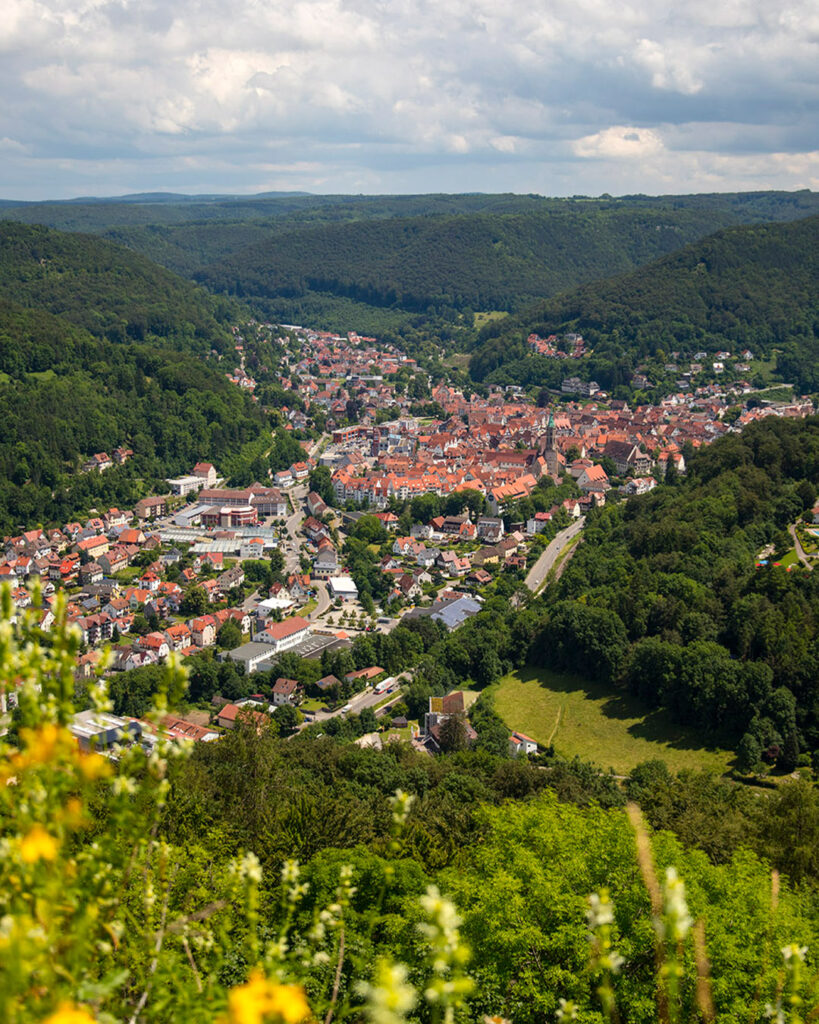
Once a tropical sea, today a low mountain range with a wide high plateau and impressive views. The Swabian Alb fascinates with its ancient landscape, shaped by nature, time, and history. Between the Albtrauf, cave art, and healing springs, unspoiled nature, beautiful hiking trails, cultural heritage, and relaxation come together. With seven spas and health resorts, the region invites you to relax, experience nature, and discover places steeped in history. These are Aalen, Beuren, Bad Urach, Bad Ditzenbach, Bad Boll, Bad Überkingen, and Mössingen-Bad Sebastiansweiler.

Nature and remedies

The region offers many opportunities and products for your own health. These include:

Soil, mud, and rock

Mud, moor, clay, or peat, known as peloids, are natural remedies that have been used in balneotherapy for centuries. Formed by geological and biological processes, they are rich in minerals and organic substances and can naturally support health, regeneration, and well-being. Fango is particularly abundant in the Swabian Alb region.

Fango comes from Italian and means “healing mud.” It is a mineral, inorganic healing mud from volcanic deposits. The raw material for fango can be, for example, oil shale from ancient marine rock. This is rich in minerals such as calcium and silicon and in organic deposits containing the active ingredients phosphorus and sulfur. It is used in heat therapy, among other things, as a partial pack, whereby the heated fango packs promote blood circulation, relieve pain, and relax the muscles.

Jurafango remedy

Bad Boller Jurafango, now part of Dr. R. Heberer Heilmittel GmbH, has a long tradition: in 1965, Stuttgart-based physician and naturopath Dr. Reinhard Heberer developed healing compresses from local fango powder. Since then, this natural remedy has been carefully produced in Bad Boll.

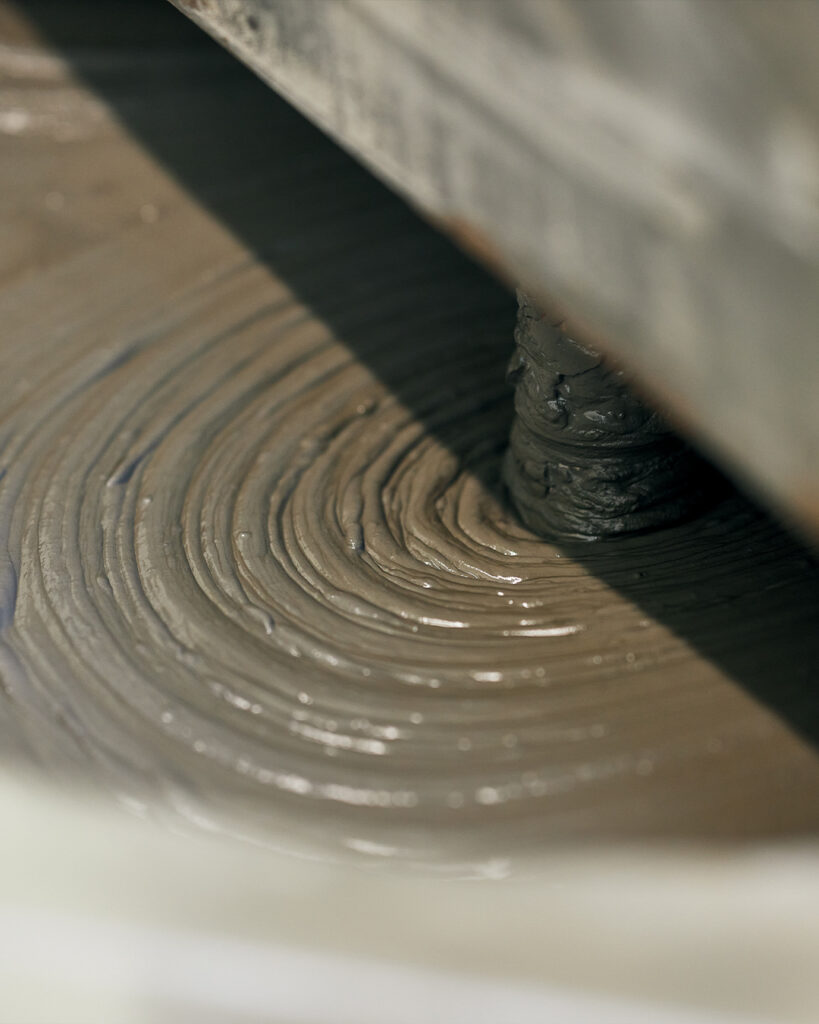
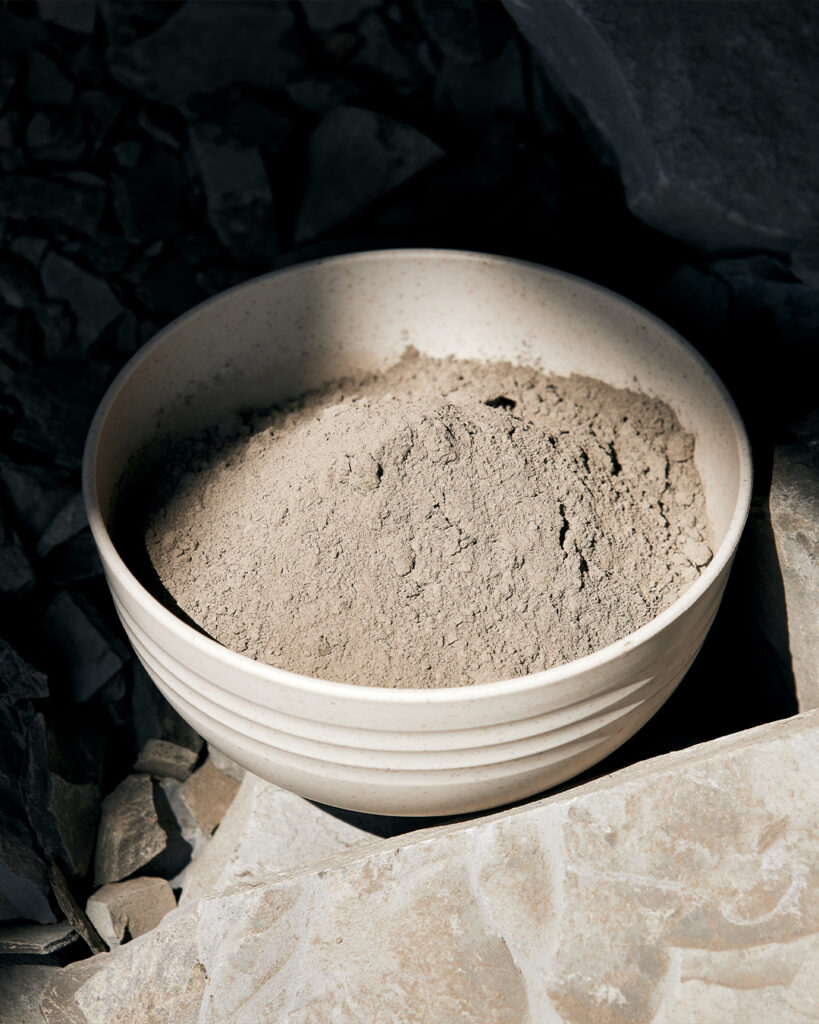
But what exactly is Jurafango? Jurafango is extracted from slate in the company's own quarry belonging to Dr. R. Heberer Heilmittel GmbH, finely ground, and processed into powder. Mixed with hot water, the fango becomes a kind of paste that can be packed in cloths and soft packs and applied warm or cold.

Activities in the region

The region also offers many opportunities for relaxation, as well as for discovering nature and learning about its history.

Deep and hot springs
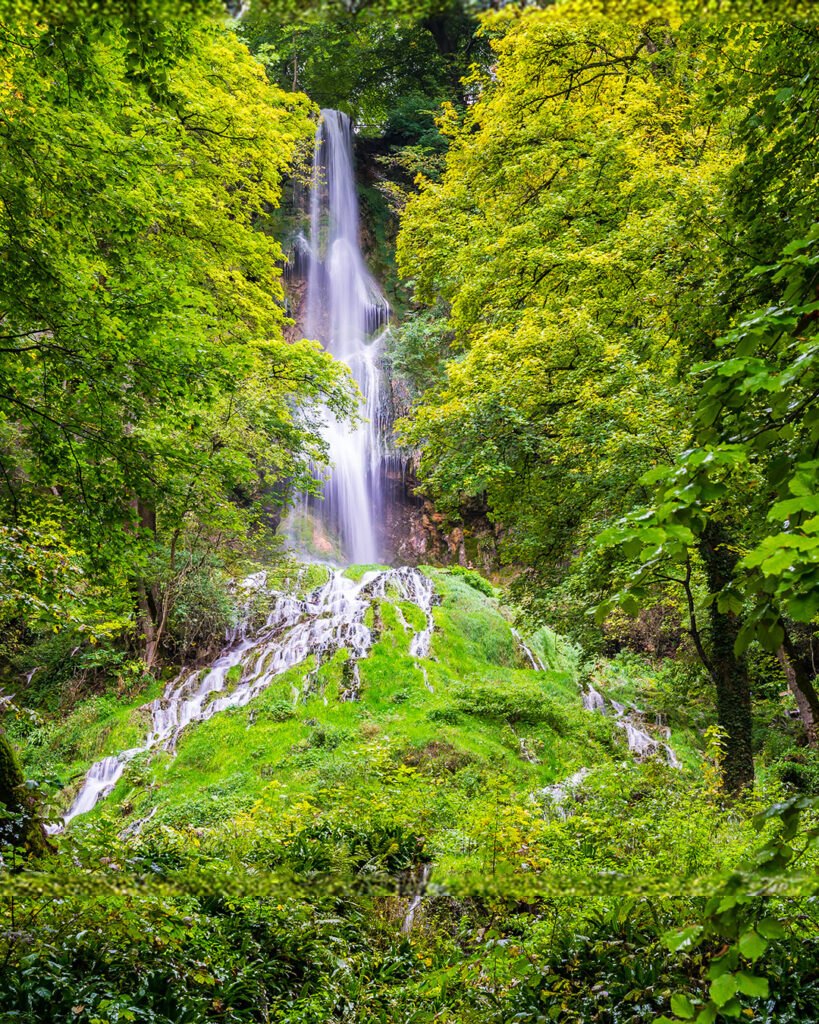
The Swabian Alb is rich in springs and waterfalls. Many of these watercourses originate in underground cave systems, not all of which have been explored. These include the Urach Waterfall, one of the most famous natural highlights of the Swabian Alb and part of the UNESCO Geopark and Biosphere Reserve. The water plunges around 40 meters over the tuff stone edge. An impressive natural spectacle that can be observed from below or from a bridge above the waterfall.

Selection of thermal spas in the Swabian Alb

The AlbThermen in Bad Urach: They combine the charm of the 1970s with modern wellness facilities. Thermal water heated to up to 38°C bubbles up from the depths every day into six indoor and outdoor pools. The sauna area with seven hot air baths, panoramic views, and outdoor area ensures relaxation. A restaurant, massages, and a wide range of treatments make for the perfect relaxation experience.

The Panorama Therme Beuren:
In the 1,000 m² pool area, seven thermal pools and one cold water pool, a steam bath, a thermal grotto, and a spacious sauna area invite you to relax.

Vinzenz Therme in Bad Ditzenbach:
The thermal mineral water at Vinzenz Therme in Bad Ditzenbach comes from the Canisius spring and is particularly rich in natural carbon dioxide. Its temperate warmth promotes blood circulation and oxygen supply and promotes relaxation. The modern facility with bathing and sauna areas as well as relaxation rooms invites you to unwind.

Mineral Spa in Bad Boll:
A special water experience that can enhance both physical and mental well-being. In addition to the soothing warmth of the indoor pools, there is a cozy sauna lounge and various therapy groups during the day. A highlight for relaxation is the outdoor pool with a view of the Swabian Alps.

Healing tunnel - Relaxing tranquility underground

In the healing tunnel of Aalen, visitors can expect a unique combination of tranquility, soothing air, and a unique microclimate. Constant temperatures of 6-8°C and almost 100% humidity ensure particularly pure air that is enriched with valuable minerals. A stay in the tunnel can strengthen the immune system, alleviate respiratory diseases, and bring body and mind into harmony. 

Hiking trails

The Swabian Alb is a paradise for hiking enthusiasts: over 90 premium and quality trails certified by the German Hiking Association or the German Hiking Institute guarantee the highest quality experience. At the striking Albtrauf escarpment, spectacular viewing rocks offer views as far as the Black Forest and the Alps. In between lie sunny juniper heaths, blossoming orchards, turquoise spring pools, and mysterious caves. Whether you're looking for a short circular tour or an extended day hike, you can discover natural and cultural highlights alike on well-signposted trails close to nature. All tours are listed on albwandern.de, allowing you to choose your own personal favorite. Two of these hiking routes in the region are:

Bad Überkingen:
Here you go high up on the Löwenpfad "Felsenrunde" trail. On this scenic circular route, there is diverse nature and many highlights. The starting point is below the Hausener Wall. From there, the path leads over a steep serpentine trail through beech forest to the Alb plateau. At Jungfraufelsen and Hausener Eck, spectacular views of the Fils Valley open up. After reaching the highest point of the tour (751 m), the trail continues through Oberböhringen, past the shelter at Dreimännersitz and the Schillertempel, through orchards and juniper heaths, back to Bad Überkingen. Those seeking relaxation and rejuvenation after the hike can recharge at the thermal baths in Bad Überkingen.

Mössingen – Bad Sebastiansweiler:
In Mössingen, there are excellent opportunities for hiking or walking. Four certified premium hiking trails, the Dreifürstenstieg, the Firstwaldrunde, the Leisawegle, and the Streuobstwegle. In addition, there is the Wir-Mössinger-Rundweg, which was created on the occasion of the city's 50th anniversary in 2024. It connects all the districts with each other, strengthens the sense of community within the city, and at the same time makes the diverse special features of the individual districts tangible.

Conclusion

The Swabian Alb combines impressive nature, thousands of years of history, and a wide range of health services. Whether hiking along the Albtrauf, relaxing in thermal baths and healing caves, or exploring geological treasures, the region offers ideal conditions for relaxation, activity, and cultural discoveries.


References

Entspann dich Magazin:  https://www.yumpu.com/de/document/read/69092890/magazin-entspann-dich

natur.gesund:  https://naturgesund-bw.de/heilbaeder-und-kurorte/#/article

Schwäbische Alb: https://www.schwaebischealb.de/

Bad Urach: https://www.badurach-tourismus.de/

Alb Thermen: https://www.badurach-tourismus.de/attraktion/albthermen-bad-urach-340611c2c0

Uracher Wasserfall: https://www.schwaebischealb.de/staedte-orte#/article/1b853b65-76aa-4f1e-ab57-6078712b13ad

Therme Beuren: https://www.panorama-therme.de/therme-sauna/herzlich-willkommen/

Vinzenz Therme Bad Ditzenbach: https://www.vinzenztherme.de/vinzenz-therme/

MineralTherme Bad Boll: https://rehaklinik-bad-boll.de/therapie-erholung/mineraltherme/#section1

Bad Überkingen Löwenpfad: https://www.tourenplaner.lkgp.de/de/tour/wanderung/loewenpfad-felsenrunde-loewenstarke-aussichten-ueber-dem-filstal/4642317/?utm_medium=referral&utm_source=embed&utm_campaign=embed-plugin-referral&utm_term=https%3A%2F%2Fwww.bad-ueberkingen.de%2F

Mössingen Bad Sebastiansweiler:
https://www.moessingen.de/Genusswandern
https://www.moessingen.de/Wandern#/article
https://www.moessingen.de/Wandern#/article/f2d7e78a-8d31-11ee-b275-00163e2945d0

Prevention – Healthy living through active prevention

Prevention means taking action in advance to prevent illness and health problems. Prevention programs preserve health and minimize potential risks. The aim is to improve quality of life in the long term. But what prevention services are available, and why are they so important?

Prevention services in Baden-Württemberg

Baden-Württemberg's spas and health resorts offer a wide range of individual prevention programs with natural remedies on site, tailored to personal needs. These include relaxing courses, customized exercise programs, and nutritional advice for greater well-being and vitality.

Why prevention is essential

Preventive measures can help ward off illness, promote vitality and energy, and enable health risks to be identified and treated at an early stage. A health-conscious lifestyle can not only prevent illness, but also promotes physical fitness, mental well-being, and a balanced lifestyle.

The first step towards health

In Baden-Württemberg, guests benefit from a wide range of preventive services with expert advice and long-lasting advantages from an active and conscious lifestyle. Targeted prevention helps shape an active and healthy future. 

What does prevention involve?

Medical Wellness: : Medical Wellness combines medical care, well-being, and wellness. The interaction between these specialist areas has a significant and positive impact on health. The services offered are based on medical expertise and aim to improve quality of life and promote a healthy lifestyle full of enjoyment. Medical or therapeutic assistance is particularly important if there are known health risks or pre-existing conditions.

Wellness Stars Germany guarantees medical wellness services and facilities that have been tested and certified with its own seal of quality. Guests can enjoy medical and therapeutic treatments in a relaxed atmosphere based on natural remedies.

Occupational health management (OHM): A successful OHM increases the motivation and health of the workforce. This includes disease prevention, promotion of physical activity, and targeted support through medical services. In cooperation with health insurance companies and clinics, companies can offer spa treatments or rehabilitation measures, for example, and promote the rehabilitation and care of their employees. Companies benefit from fewer sick days and higher employee satisfaction.

The most important points of the OHM:
Workplace health promotion:

Workplace health promotion (WHP) is a central component of workplace health management. It comprises targeted services and measures to improve workplace health that are tailored to the individual needs of employees. These include promoting physical activity, nutritional support, addiction prevention, team facilitation, and internal communication strategies. Statutory health insurance providers support many of these initiatives.

One of the initiatives is TOPfit- JOBfit – an initiative of the spas and health resorts in Baden-Württemberg. Baden-Württemberg was the first federal state to offer programs in its spas and health resorts back in 1999. The programs are aimed at employees and employers and include measures relating to nutrition, exercise, relaxation, and stress management. A sustainable preventive effect can only be achieved if the measures are carried out regularly and what has been learned can be implemented in everyday life. The concept behind this is a combination of several parameters:

The offers are quality-checked. The preventive services can therefore be subsidized or reimbursed by statutory health insurance (GKV); alternatively, the costs can be covered in part or in full by the employer. More information about the measure can be found here: https://naturgesund-bw.de/betriebliches-gesundheitsmanagement/

Conclusion: Investing in the future

Prevention is the key to a healthy and active life – whether through individual health measures or workplace programs. Taking early precautions ensures a better quality of life and well-being in the long term. 


References

https://naturgesund-bw.de/praevention-in-baden-wuerttemberg/

https://naturgesund-bw.de/medical-wellness/

https://naturgesund-bw.de/betriebliches-gesundheitsmanagement/

Moor cheese from Bad Wurzach: a regional specialty

Moor and cheese - how do they go together? Quite simply: Moor cheese is made at the Vogler cheese dairy in Bad Wurzach in the Allgäu region. This unique specialty combines regional tradition with innovative ideas and can only be found in and around Bad Wurzach. But how did this extraordinary cheese come about and what makes it so special?

Tradition and innovation

The Vogler cheese dairy in Bad Wurzach looks back on a long history. It has been shaping cheese culture in the region since the 19th century. It was founded because the economic situation at the time forced people in the region to come up with new ideas. At that time, mainly soft cheese was produced.

In 1936, Michael Vogler took over the cheese dairy and switched production to hard cheese, in particular the well-known Allgäu Emmental. Jörg Vogler has been running the family business since 1955 and has constantly expanded the product range. The cheese products are marketed both directly at the cheese dairy and via regional partners. Visitors can sample the specialties on site in the Sennerstüble.

Thanks to his son Jahn Vogler, the future of the family business is also secure. He has introduced the online store and will one day also take over the management of the cheese dairy.

How did moor cheese come about?

The moor cheese is truly unique and is produced exclusively at the Vogler cheese dairy. The idea arose from the desire to create something new and unique that captures the essence of the moorland region and represents it to the outside world. The name “Moor Cheese” is protected - no one else is allowed to use it except for the Vogler cheese dairy. This means that this specialty remains exclusive to the region around Bad Wurzach.

Production of bog cheese

The Vogler cheese dairy relies on traditional craftsmanship and natural ingredients. All products are made from high-quality Allgäu milk, cheese cultures, natural rennet and table salt. The finished cheeses weigh between 1 and 80 kilograms and mature for between two and ten months, depending on the variety. They are regularly cared for during this process.

But now to the bog cheese. What makes it different from a normal wheel of cheese? 

Moor cheese is basically no different to other cheeses in terms of production, but the moor as a natural resource has a major influence. The milk used comes from cows from the moorland region, so the cheese has the unmistakable flavor of the region. Between 500 and 600 kilograms are produced every two weeks.

In terms of taste, it also stands out from classic Allgäu Emmental: the moor cheese is characterized by a mild, natural note and a pleasant lightness. Thanks to a maturing process without flavor enhancers in its own wax layer and with a maturing temperature of 38 C°, it develops the authentic taste of the “original cheese”.

Popular among cheese fans

Moor cheese has already found many fans. Delicatessens and farmers' markets within a 50-kilometre radius of Bad Wurzach offer the specialty. The cheese dairy also attracts numerous visitors to Bad Wurzach, who can learn the secrets of cheese production on cheese tours and taste the cheese in the cozy hut restaurant.

Of course, the moor cheese can also be conveniently ordered via the Vogler cheese dairy's online store - this is how it finds its way to cheese lovers all over Baden-Württemberg.

You can read even more about moorland, peloids, health and nature in the “Relax!” magazine: https://www.yumpu.com/de/document/read/69092890/magazin-entspann-dich


References

https://www.yumpu.com/de/document/read/69092890/magazin-entspann-dich

The power of the earth

The healing effects of peat, mud, silt, clay and chalk have been known for centuries. Mud baths were mentioned as a remedy as early as the 14th century. Today, mud packs, peat baths and clay wraps with their relaxing and anti-inflammatory properties are an important part of natural health treatments in spas and health resorts and are indispensable in modern therapy.

Indications: What can soil help with?

  • Heart, vascular and circulatory diseases
  • Diseases of the musculoskeletal system
  • Diseases of the respiratory tract
  • Diseases of the digestive system
  • Metabolic disorders
  • Kidney diseases
  • Skin diseases
  • Psychosomatic states of exhaustion
  • Psychosomatic states of exhaustion
  • General weakness, convalescence

Forms of application

  1. Moor bath: A tried and tested treatment in which a bathing day alternates with a bath-free day. At the beginning, the bath temperature is usually 39 degrees Celsius and is adjusted as required. Natural mud baths are intensive treatments in which the shower is followed by a resting phase in the relaxation room - an essential part of any bath therapy.
  2. Peat pack: Is used when a full mud bath is contraindicated or can still be too stressful. The thick natural moor mud with a temperature of up to 45 degrees Celsius is offered locally, as a large pack from the torso to the buttocks, or as a partial body pack for the torso, stomach, back, joints or for moor kneading for hands and feet. Depending on the indication, it is applied warm or cold. Cold natural mud packs, with their deep thermal effects, can provide effective and gentle support for inflammatory processes.
  3. Drinking cure: One advantage of moor is that it tastes and smells pleasantly neutral when taken as a drinking moor. This has been tested and approved as a dietary supplement and is mixed with water or juice. It contains valuable ingredients that regulate the acid-base balance and contribute to the regeneration of the intestinal flora.
  4. Fango pack:  Is heated and then applied as a pack around three centimetres thick. To improve the effect, the patient is wrapped in special cloths and woollen blankets. The fango pack is left on for approx. 30 minutes and also warms deeper lying tissue.


Types of earth

Peat

Spas use mud baths with peat as a remedy. The peat is used in the form of packs or full baths in tubs.

Clay

has a therapeutic effect due to its fine clay particles. The clay particles can bind large quantities of water, acids and other substances. The clay paste is applied to the area to be treated in a layer about two centimeters thick. While the clay dries, the body can detoxify.

Fango

is formed from deposits of weathered rock and consists of sand, silt and clay. For therapeutic use, the volcanic rock is finely ground and processed into fango mud or parafango. To produce parafango, the pulverized rock is enriched with liquid kerosene. Once the mass has hardened, it is sawn into blocks. In the practices, these are melted in an oven at a medium temperature and slowly cooled. When the core of the mass is about 50 degrees Celsius warm, you can lie on your back in the mud, for example.


Predicates

Awards serve as a seal of quality in health tourism. The respective federal state is responsible for the certification of spas and health resorts. In order to receive a rating, certain standards must be met in the area of medical facilities and tourist infrastructure. The state's health resort law defines these requirements. 

Moor spa

This title is awarded to spas that use peat-based mud baths as a remedy. Peat can be used in the form of packs and full baths in tubs.


References

https://naturgesund-bw.de/wohltuende-erde/

Origin of mineral water

Natural mineral water is more than just water. It is the purest drinking water, created by rainwater and a long natural process. But how exactly is this special water, which refreshes us and provides us with valuable minerals at the same time, created? The origin lies in a long, fascinating and individual process that takes place underground.

How is mineral water made?

It all starts with rainwater that hits the ground, seeps into the earth and travels through different layers of soil and rock for years or even centuries.

As it seeps away, the water absorbs valuable minerals such as calcium, magnesium, sodium and hydrogen carbonate. These substances come from the rocks through which the water seeps. In deeper water-bearing layers, the water also combines with carbonic acid (H2O) and carbon dioxide (CO2). 

The precipitation is enriched and filtered with minerals, trace elements and carbon dioxide through numerous reactions and processes. Depending on the overlying layers of rock, each mineral water develops its own character, shaped by the regional geological conditions.

The difference between groundwater and mineral water

The most important difference between groundwater and mineral water lies in its depth and purity.

Groundwater: It is often only 40 to 50 meters below the earth's surface and is therefore more susceptible to contamination by pollutants from agriculture or industry. This is why groundwater is purified before it reaches our households as tap water.

Mineral water: Originates from much deeper layers, up to 1,000 meters below ground. At this depth, the water is naturally protected from external influences. According to the German Mineral Water Ordinance, mineral water must be originally pure, may not be treated and must be bottled directly at the source. These strict requirements guarantee the highest quality and purity.

Mineral water from the spas and health resorts of Baden-Württemberg

Baden-Württemberg, and the Black Forest in particular, is known for its exceptional mineral water springs. Here, the water makes its way through thick layers of granite, gneiss and red sandstone. These rocks filter the water particularly effectively and enrich it with an extraordinary amount of minerals. 

The Black Forest region is therefore home to many renowned mineral water brands. These draw their water from the healing springs and spas in the region, including exemplary:

Conclusion: A unique piece of nature

Natural mineral water is a true miracle of nature. It is created over decades to centuries and is shaped by the geological conditions of its region. Every mineral water is unique - fresh, pure and full of minerals. A sip of mineral water is therefore more than just refreshment: it is a piece of nature in its purest form.

You can read even more about water, health and relaxation in the “Erfrisch dich!” magazine: https://www.yumpu.com/de/document/read/68614364/magazin-erfrisch-dich


References

https://www.yumpu.com/de/document/read/68614364/magazin-erfrisch-dich

Cultural heritage - Roman bathing culture in Baden-Württemberg

Even the ancient Celts used the divine and healing power of warm water. The Romans, who occupied the area that is now Baden-Württemberg around 70 BC, not only used the Celts' thermal springs, but even adopted their gods and simply made them the companions of their own. But for the Romans, the thermal springs were not mystical places, they were part of the “ars vivendi” (the art of living) and an expression of social status.

Magnificent bathrooms with history 

The Romans built magnificent bathing facilities at the Celtic springs. They were places where people met, talked, haggled and were pampered. The baths also had a kind of “spa” with massages and sweating cures in heated rooms, cosmetic treatments with pumice stone, mud packs, almond bran and drinking cures with mineral waters. In the 5th century, with the fall of the Roman Empire, the advanced spa culture also collapsed. In the 14th century, the public baths fell into disrepute due to infectious diseases and fears of the dark forces.

© Badenweiler Tourismus GmbH

The development of a bathing culture

In the 18th and 19th centuries, in the age of progress and research, the healing effects of water on the human organism were studied intensively. The benefits of additives such as mineral salts, extracts from slag or herbs and essential oils were also recognized. At the same time, the thermal baths were also redesigned, resulting in magnificent domed buildings and splendid baths. A rich spa culture developed and the social elite met in the elegant spas to maintain their health and enjoy cultural life. These places became centers of sensual pleasure and social life where life and health were celebrated.

This glorious era came to an abrupt end with the world wars. Today, the long tradition is experiencing a new upswing. Awareness of the importance of maintaining one's own health is becoming increasingly important. Health and wellness facilities are adapting to the new demands of their guests and offer pure health and relaxation in an inviting feel-good atmosphere.

© CARASANA Bäderbetriebe GmbH

From the baths to the thermal baths

Nowadays, spas are a blessing for body and soul. Due to geothermal activity, the water is at least 20 degrees when it comes out of the spring and is rich in minerals that can have a soothing and regenerating effect on the skin and muscles. Spas can also provide ideal opportunities for relaxation and relief from muscle and joint pain. The combination of warm water and natural minerals makes them a popular place for wellness enthusiasts. Baden-Württemberg offers a variety of spas and baths where you can take a break from the stresses of everyday life.


References

https://naturgesund-bw.de/historische-baeder/

Soothing air as a remedy

The climate has always had a major influence on our well-being. Relaxation is best achieved in an environment with balanced temperatures and constant humidity. Recovery processes are also accelerated under the right climatic conditions. The so-called “healing climate”, including the pure air, is natural and free from harmful environmental influences. As the name suggests, it can have a healing effect on the body.

Indications: What can air help with?

  • Bronchial asthma, bronchitis
  • Allergic and chronic rhinitis
  • Paranasal sinus diseases
  • Allergies and skin diseases
  • Lung diseases and croupy cough

Forms of application

  1. Hiking: Various climatic conditions can help to strengthen the immune system during a hike. In some regions, there are specially designated high-altitude climate trails. In addition to the impressive panorama and the shady forests, climate stimuli such as wind, sun and clean air have a supportive effect.
  2. Climate therapy: Breathe fresh, clean, cool, filtered and mineralized air. Thanks to a physical phenomenon, the air in the tunnel is exchanged every 15 minutes.


Types of air

Gentle climate

The gentle climate in regions with low levels of irritation has great recreational potential: this climate is characterized by a balanced temperature and humidity. Baden-Württemberg, where a temperate climate prevails, is home to numerous climatic health resorts. Here, the climatic conditions are used for health therapy and disease prevention. 

Stimulating climate

It is not only a gentle climate with high air purity and constant temperature that has a positive effect on body and mind. Unusual weather conditions also “train” the immune system. In the low and high mountains, people therefore rely on the vitalizing effects of the stimulating climate. The unaccustomed differences in altitude, strong winds and the sometimes strong temperature fluctuations have a stimulating effect on the body. The stimulating climate increases the activity of the immune system and strengthens the body's defenses in a natural way.

Healing cave

Healing cave therapy, also known as speleotherapy, is a special form of climate therapy. It makes use of the exceptional and pure climatic conditions below the earth's surface.


Air as a remedy and its predicates

Awards serve as a seal of quality in health tourism. In order to be awarded a label, certain standards must be met in the area of medical facilities and tourist infrastructure. The state's health resort law defines these requirements. The following awards in Baden-Württemberg are based on the particularly good climatic conditions in the respective locations:

Climatic health resorts

Natural, free from harmful environmental influences, constant temperature and humidity - these are all characteristics of a climatic health resort. The climate there can have a health-promoting effect and serve therapeutic purposes. 

Places with healing caves

Disused mines or caves offer not only space but also excellent conditions for healing gallery therapy. The particularly pure air in its original form can alleviate asthmatic illnesses.


References

https://naturgesund-bw.de/wohltuende-luft

Kneipp as a remedy

One of the best-known water treatments is the Kneipp cure. As early as the 19th century, the priest Sebastian Kneipp (1821-1897) recognized that walking in ice-cold water activates the body's self-healing powers and thus strengthens the immune system. Nowadays, the state-approved Kneipp spas offer a variety of treatments, including cold and hot showers, contrast baths, ablutions, dew walking and treading water. The focus of Kneipp today is also on mental balance, herbal treatments, exercise stimulation and an optimized diet.

Indications: What can Kneipp help with?

  • Psychosomatic diseases and nervous disorders
  • Chronic pain
  • Gynecological diseases
  • Geriatric diseases

Forms of application

  1. For inner balance and order: Kneipp learned as a pastor and pastor that a healthy person also needs a healthy soul. In the Kneipp health resorts and teaching, the aim is to find your inner balance and recharge your batteries.
  2. In nutrition: Enjoyment played a major role in Sebastian Kneipp's life. Thus, the diet should also contribute to enjoyment and be tasty and natural. His teaching focuses on versatile whole foods.
  3. The effectiveness of medicinal plants: Kneipp also recognized this early on and used ancient knowledge to make teas, ointments and tinctures from herbs. Even today, medicinal plants and herbs are used in Kneipp therapy.
  4. movement: It makes you happy and lifts your mood, Sebastian Kneipp also knew that: "Exercise increases the zest for life and helps people by strengthening their body." He recommended moderate exercise, especially in the fresh air. Even today, exercise is part of Kneipp therapy.
  5. The application of water: Mostly in the form of Kneipp treatments such as, alternating baths between hot and cold, Kneipp basins and much more, which help to activate our immune system.


Five Kneipp tips for at home

Active ingredient Movement

In addition to the musculoskeletal system and the cardiovascular system, exercise also has an effect on the entire metabolism. Exercise can therefore help to stay healthy and protect against illness. At least 150 minutes of moderate physical activity per week is recommended for health-oriented activities. In everyday life, for example:

  • Cycling to work or to the shops.
  • Get off the bus one stop earlier or park the car further away and walk the rest of the way.
  • Take a short walk during your lunch break.
  • Take the stairs instead of the escalators or elevator.

Relaxation and serenity

Finding your inner center and going through everyday life calmly. That's what we all want. But how does this work in everyday life, with stress, crises and anxiety? Pastor Kneipp already had an answer to this. He recommended listening to your own body and always ensuring a balanced relationship between rest and activity. Today this can be done with:

  • Yoga
  • Tai Chi
  • Pilates
  • Stretching exercises
  • Breathing exercises
  • Forest bathing 
  • Indian Balance

The right nutrition:

Kneipp's health teachings focus on a balanced, healthy and natural diet without prohibitions. This diet can help to positively influence the function of the gut and therefore our health and mood. Because today we know that the gut plays an important role in being healthy and happy. With good and proper nutrition, our gut absorbs all the important nutrients and functional substances that the body needs. It is therefore important that our gut and the 100 trillion bacteria living there are well supplied with soul food, because: Food can make you happy.

Water treatments

Water and Kneipp go together like a pot and a lid. Kneipp fell ill with tuberculosis at the time. He managed to cure himself by immersing himself in the Danube. Nowadays, Kneipp's water treatments are so popular mainly because they are so easy to carry out. Applications that can be easily integrated into everyday life are

  • Treading water in a bucket of cold water.
  • Walking barefoot across a wet meadow in the morning.
  • Hold your feet in a cold stream while hiking or tread water in a stream.
  • Alternating showers with hot and cold water.

Medicinal plants

Sebastian Kneipp was an enthusiastic user of medicinal plants for bath additives, tinctures, ointments and teas. His favorite herb was arnica. It is not said for nothing: "There is a herb for every disease." Over 150 years ago, Kneipp attributed various effects to around 45 plants, which are now scientifically proven. Among them:

  • Valerian, hops, lemon balm and lavender have a calming effect.
  • Chamomile, bran, yarrow, oak bark and oat straw are good for the skin.
  • Caraway, aniseed and fennel help against flatulence.
  • Hay flowers are good for the musculoskeletal system.
  • Thyme, eucalyptus, conifers and camphor help with respiratory diseases.
  • Rosemary and hawthorn stimulate the circulation.


Awards: What characterizes a Kneipp health resort or a Kneipp spa?

Awards serve as a seal of quality in health tourism. In order to receive an award, certain standards must be met in the area of medical facilities and tourist infrastructure. The state's health resort law defines these requirements.

Kneipp spa/health resort

Not every spa town or bath is allowed to call itself a Kneipp spa or Kneipp spa. The spas that have been awarded a distinction have natural water sources for treatments such as cold or hot showers, dew running or treading water. In addition, there is a lot of nature and tranquility in and around the spa town to relax and find your inner balance again. In addition, medicinal plants and herbs play an important role in the treatments of the Kneipp cure. The Kneipp cure consists of five pillars: inner balance, enjoyment, herbs, exercise and water.

en_USEN